How to Use 3D AI Websites to Build Knowledge Hubs for Niche Industries
Creating a knowledge hub for niche industries can be a game-changer for businesses. With 3D AI websites, you can combine interactive design with deep, industry-specific content to drive engagement, education, and authority. This guide walks you through the process step-by-step.
Why Build a 3D AI Knowledge Hub?
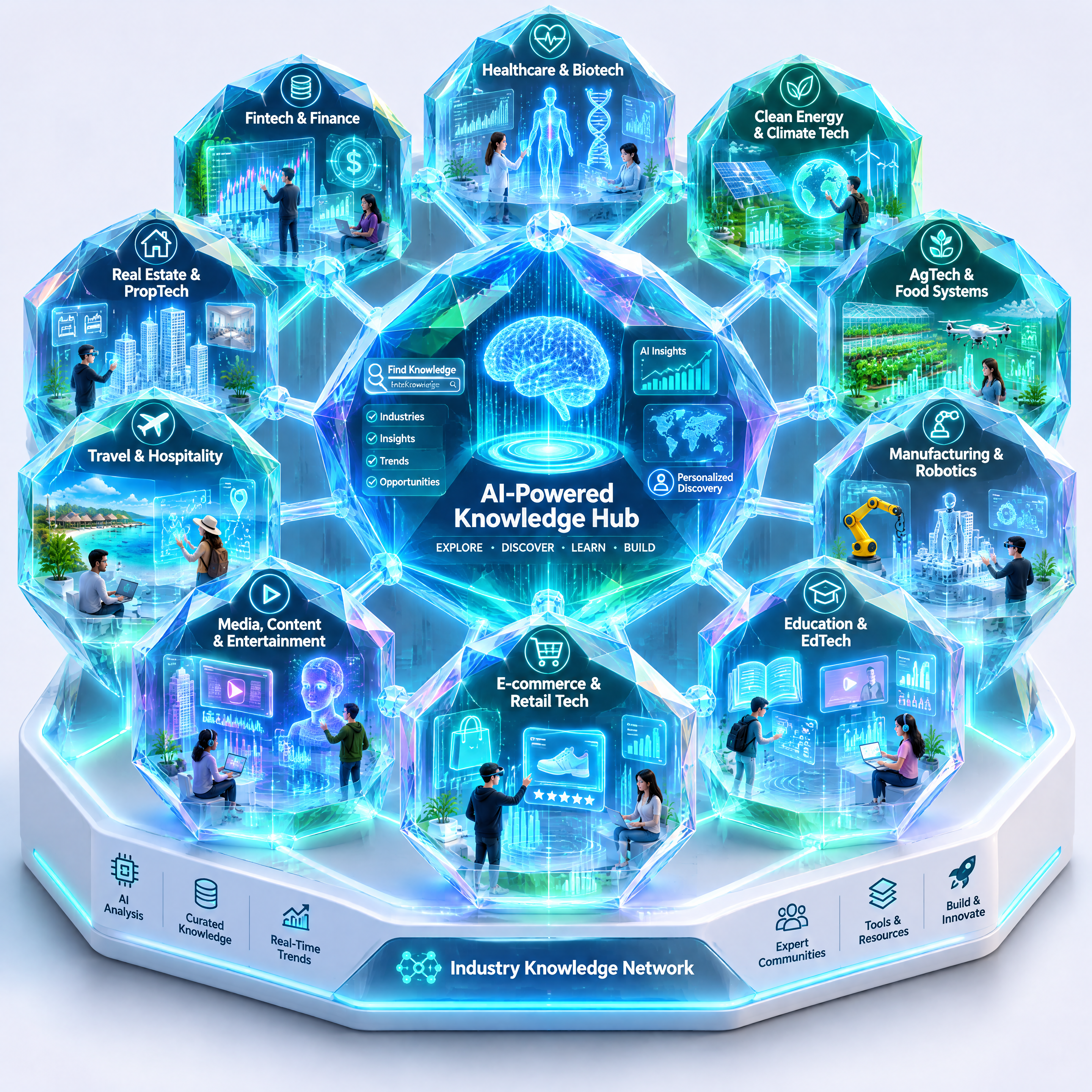
A 3D AI-powered knowledge hub isn’t just another website—it’s a dynamic, immersive space tailored for niche audiences. Here’s why it matters:
!how to use 3d ai websites to build knowledge hubs for niche industries, tutorials
- Enhanced engagement: 3D visuals and scroll-driven animations keep users captivated.
- Improved retention: Interactive layouts make complex information easier to understand.
- Authority building: Positions your brand as an expert in the industry.
Step 1: Define Your Niche and Audience
Before diving into design, clarify your industry niche and target users. This ensures your content and features align perfectly with their needs.
- Research audience pain points and preferences.
- Analyze competitors’ websites for gaps and opportunities.
- Identify unique topics or tools that would add value.
Step 2: Plan Your Content Strategy
A successful knowledge hub relies on data-rich, actionable content. Here’s how to structure it:
- Create cornerstone pages for your core topics.
- Include interactive sections like quizzes or case studies.
- Design downloadable resources such as whitepapers or toolkits.
Key Content Formats
- Expert articles and guides.
- Tutorials with step-by-step instructions.
- Videos, webinars, and animations.
- Interactive tools or calculators.
Step 3: Design the Hub with 3D AI Elements
Using Draftly’s intuitive 3D AI tools, you can turn static ideas into immersive experiences. Here’s how:
Layout Principles
- Cinematic scrolling: Use scroll-driven animations for storytelling.
- Layered design: Combine text, images, and 3D elements seamlessly.
- Interactive hotspots: Allow users to explore more detailed content.
Actionable Steps
- Select a theme optimized for your industry.
- Customize fonts, colors, and branding using Draftly’s tools.
- Integrate features like pop-ups or hover effects.
Step 4: Optimize for Engagement and SEO
To ensure your knowledge hub reaches its target audience, focus on search engine optimization and user engagement tools.
- Keyword research: Choose niche-specific terms like “best agritech solutions” or “3D AI for edtech.”
- Internal linking: Connect your pages strategically to keep users exploring.
- Calls-to-action (CTAs): Add interactive CTAs like “Explore Case Studies” or “Download Whitepaper.”
Step 5: Launch and Iterate
Once your hub is live, it’s time to gather data and refine it. Key actions:
- Use analytics to track user behavior and popular content.
- Conduct surveys to gather feedback.
- Add new features based on trends or user needs.