Step-by-Step Guide to Implementing 3D AI Career Paths for Indian Youth Platforms
Implementing 3D AI career paths transforms how Indian youth explore opportunities. This guide breaks down the process, from ideation to execution, tailored for Indian education platforms looking to enhance personalization, engagement, and outcomes.
Why 3D AI Career Paths Matter
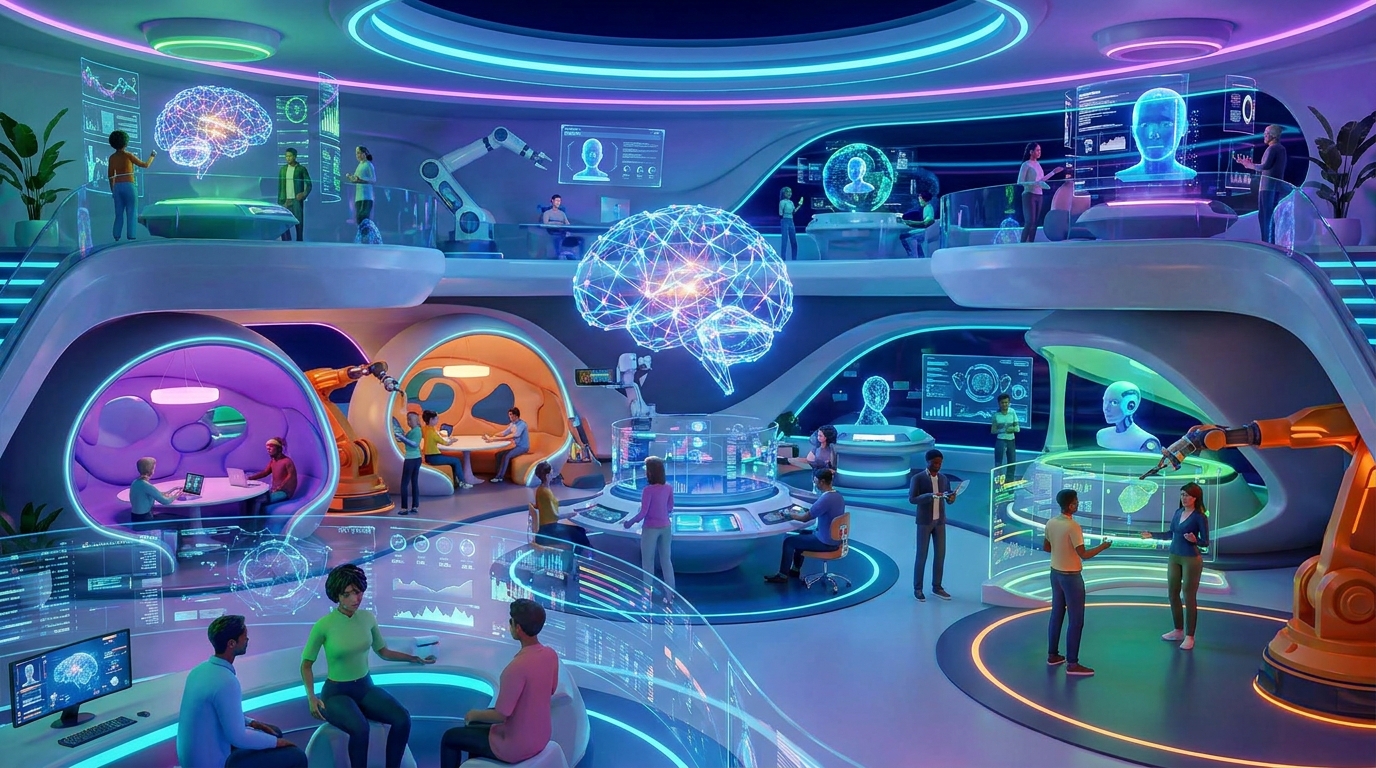
Career discovery tools in India often lack interactivity and personalization. 3D AI-driven career paths bring an immersive, visually engaging experience that helps students make informed decisions. Platforms like Draftly can be pivotal in achieving this transformation.
!stepbystep guide to implementing 3d ai career paths for indian youth platforms, tutorials
- 74% of Indian students feel overwhelmed by career choices (KPMG report, 2023).
- 3D visualization boosts decision-making by 60% in educational contexts (source: EdTech Review).
- AI personalization can improve engagement rates by 40%.
Step 1: Define Platform Objectives
Before building, clarify your platform’s goals for implementing 3D AI career paths. Are you aiming to:
- Increase student engagement?
- Improve career discovery outcomes through personalized tools?
- Reduce drop-off rates by providing clear visual pathways?
Step 2: Map User Journeys
Designing effective 3D career paths starts with understanding user needs. Identify key user personas such as:
- High school students exploring options post-Class 12.
- College students seeking internships or postgraduate opportunities.
- Working professionals upskilling for new roles.
How to Map Journeys
- Conduct focus group discussions with your user base.
- Gather data on commonly searched career questions (e.g., "What are the best fields for science students in India?").
- Create a visual map of potential career routes using tools like Miro or Figma.
Step 3: Choose the Right 3D AI Technology
To make your platform stand out, integrate AI tools that support:
- Real-time personalization: Recommend career paths based on user preferences.
- Data visualization: Use 3D graphics to show career growth potential and job market trends.
- Chatbot integration: Enable users to ask career-related questions and get AI-generated answers.
- Use Draftly’s 3D animation tools for dynamic career path designs.
- Implement AI APIs like OpenAI for natural language processing.
- Leverage WebGL for rendering 3D visuals seamlessly across devices.
Step 4: Design the 3D Career Path Interface
Key Features for the Interface
- Interactive visualizations: Allow users to explore pathways like branching trees or detailed timelines.
- Progress trackers: Show where a user is in their journey and what lies ahead.
- Engaging animations: Use scroll-driven animations to enhance UX.
Step 5: Gather and Leverage Data
AI thrives on data. Collect user preferences, career interests, and interaction patterns to continuously improve recommendations.
- Use quizzes to assess skillsets.
- Integrate 3D interactive assessment tools.
- Analyze trends to suggest high-demand industries like AI, renewable energy, and fintech.
Step 6: Test and Iterate
- A/B Test Designs: Compare different layouts of 3D career paths to measure user engagement.
- Feedback Loops: Regularly request user feedback to refine the experience.
- Performance Metrics: Track session duration and pathway completion rates to identify bottlenecks.
Step 7: Launch and Promote
Launch Strategy
- Beta Testing: Start with a small user group to test scalability.
- Marketing Campaign: Highlight the unique benefits of 3D career paths through email marketing and social media ads.
- Partnerships: Collaborate with schools, colleges, and career counselors across India.