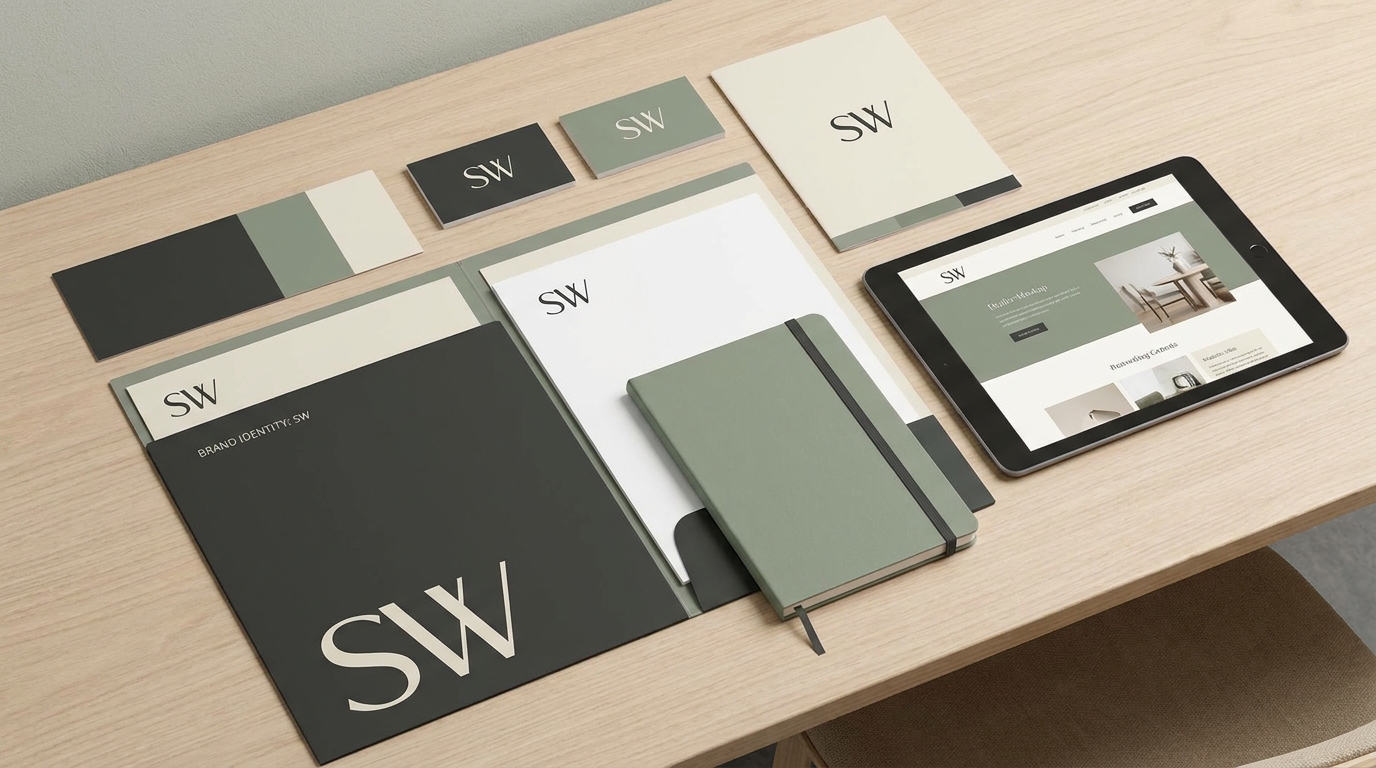
How to Create AI-Driven Websites for Global Cultural Design
Adapting website design to cultural preferences is no longer optional for global brands—it’s essential. Draftly’s AI-powered 3D website builder allows you to create cinematic, scroll-driven websites that resonate with diverse audiences. In this tutorial, we’ll explore how to design websites that dynamically align with different cultural aesthetics.
Why Cultural Adaptation Matters in Web Design
Cultural design preferences impact how users interact with websites. For example, 79% of users are more likely to engage with content that aligns with their cultural norms. From color palettes to typography, every element can influence user trust and engagement.
!how to create aidriven websites for global cultural design, tutorials
- Colors: In Japan, pastels often signify simplicity and elegance, while bold hues in India evoke energy and celebration.
- Typography: Arabic audiences may prefer flowing, calligraphic fonts, while German users lean toward minimal, sans-serif styles.
- Imagery: Western designs often use abstract imagery, whereas Asian cultures favor storytelling visuals.
Step-by-Step: Building AI Websites for Cultural Design
1. Research Your Target Audience
Before designing, uncover cultural preferences using data-backed insights:
- Analyze demographic trends via tools like Statista or Google Analytics.
- Study regional competitors for design cues. For example, Indian wedding planners often use ornate motifs, as explained in Step-by-Step Guide to Creating 3D Interactive Event Pages for Indian Wedding Planners.
- Use Draftly’s AI to scan cultural keywords and suggest design elements.
2. Choose Region-Specific Templates
Draftly offers pre-designed templates tailored to global locales. Select a template based on:
- Industry needs: For example, Designing 3D AI Portfolios for Indian Architects in Sustainability demonstrates eco-themed templates.
- Audience expectations: Use templates with scroll-driven narratives for storytelling cultures like India.
3. Customize Typography and Color Palettes
- Typography: Match font styles with cultural norms. For example:
- Colors: Pick palettes based on emotional resonance:
Draftly’s editor makes customization intuitive, as detailed in How to Customise Fonts, Colors and Your Brand Kit in Draftly.
4. Integrate Localized Imagery and Content
Visuals and copy should feel familiar to your audience:
- Images: Use culturally relevant photos, like traditional attire or regional landscapes.
- Copy: Optimize language tone and idioms for local understanding. For example, Western copy often uses direct CTAs, while Asian markets prefer softer, relationship-driven phrases.
Advanced Features for Cultural Adaptation
Dynamic Content Rendering
Draftly allows websites to display region-specific content dynamically:
- Use geolocation-based APIs to detect user location.
- Automatically adjust text, images, and calls-to-action based on user region.
- Implement multilingual support via Draftly’s translation tools.
3D Interactive Elements
Enhance user engagement with 3D components that align culturally:
- Add interactive timelines for educational sites, as explained in Creating 3D Interactive Historical Timelines for Indian Museums.
- Include scroll-driven animations for storytelling-focused audiences.
Testing and Iteration
1. A/B Testing
Test cultural variations to maximize engagement:
- Run experiments on color schemes and layouts.
- Analyze user behavior using heatmaps.
2. Gather Feedback
Conduct surveys and usability tests to ensure the design resonates with diverse audiences. For Indian users, consider inspiration from Step-by-Step Guide to Building 3D Experiential Pages for Indian Adventure Sports Clubs.