Using AI 3D Websites to Build Interactive Guides for Eco-Tourism Startups
Eco-tourism startups face a unique challenge: showcasing the beauty and sustainability of their offerings in a way that resonates with eco-conscious travelers. AI-driven 3D websites provide a solution by creating immersive, interactive guides that captivate users while delivering essential information.
Why Use AI 3D Websites for Eco-Tourism?
Interactive 3D websites can transform how eco-tourism businesses communicate their value proposition. These sites offer:
!using ai 3d websites to build interactive guides for ecotourism startups, tutorials
- Immersion: 3D visuals allow travelers to explore destinations virtually, boosting interest and engagement.
- Personalization: AI tools tailor content to individual preferences, such as adventure or relaxation-focused itineraries.
- Sustainability storytelling: Showcase eco-friendly practices visually, creating trust and transparency.
Step-by-Step Guide to Building Your Interactive Eco-Tourism Guide
Follow these steps to create a stunning AI-driven 3D website:
Step 1: Define Your Core Message
Before diving into design, clarify what you want your eco-tourism guide to convey.
- Highlight unique destinations: Identify 3-5 eco-tourism experiences that differentiate your startup.
- Showcase sustainability: Include data or visuals on eco-friendly practices, such as carbon offset programs or renewable energy usage.
- Engagement focus: Think of interactive elements, like quizzes to match users with the perfect eco-tour.
Step 2: Choose the Right AI-Driven 3D Website Builder
Platforms like Draftly simplify the process by turning prompts into cinematic, scroll-driven websites. Features to look for:
- Template variety: Ensure the builder includes templates tailored for eco-tourism or sustainable travel.
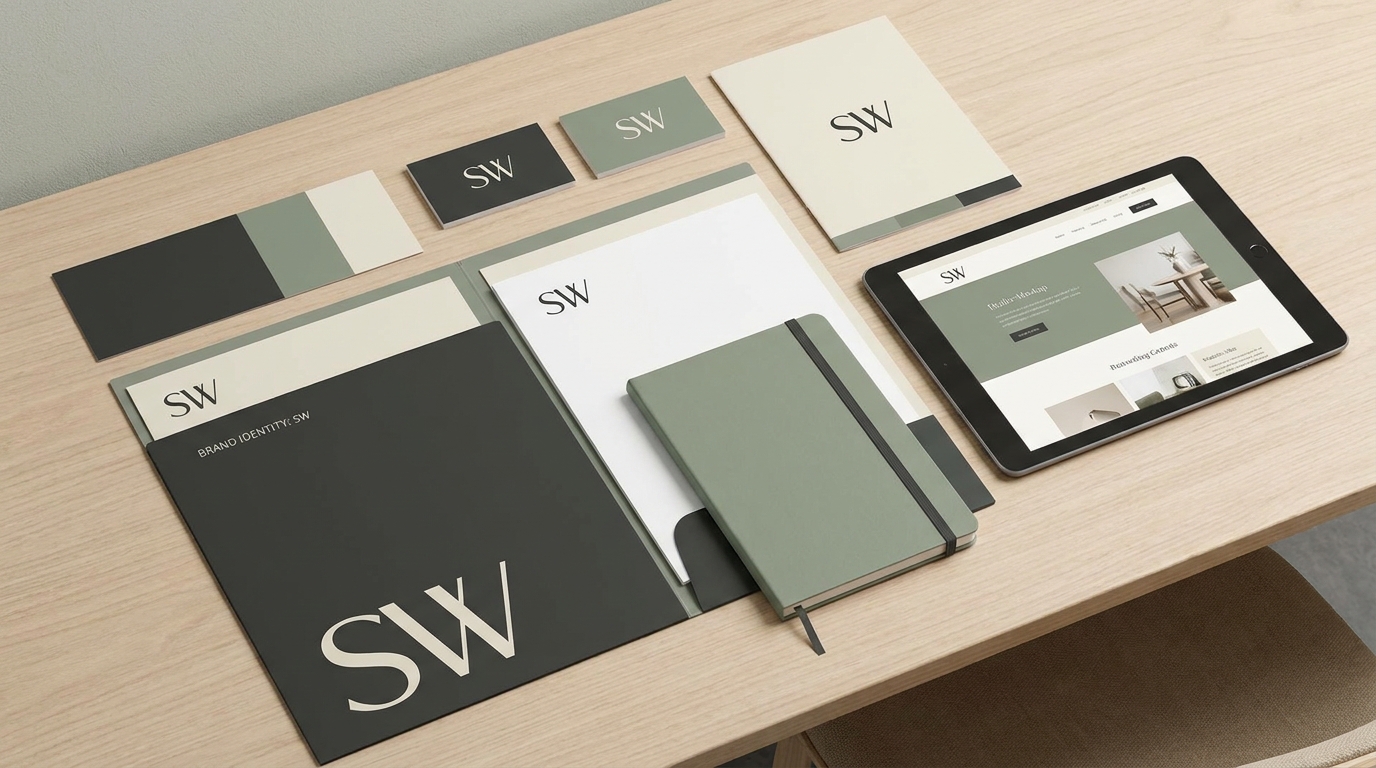
- Custom branding options: Integrate your logo, font, and color palette seamlessly. How to Customise Fonts, Colors and Your Brand Kit in Draftly offers detailed customization tips.
- Interactive widgets: Opt for tools that allow virtual tours, clickable hotspots, and user-generated content uploads.
Step 3: Design with User Experience in Mind
Your website should be intuitive and visually compelling.
- Navigation: Use scroll-based storytelling to guide users through destinations.
- Visual hierarchy: Highlight key elements like calls-to-action (CTAs) with bold typography.
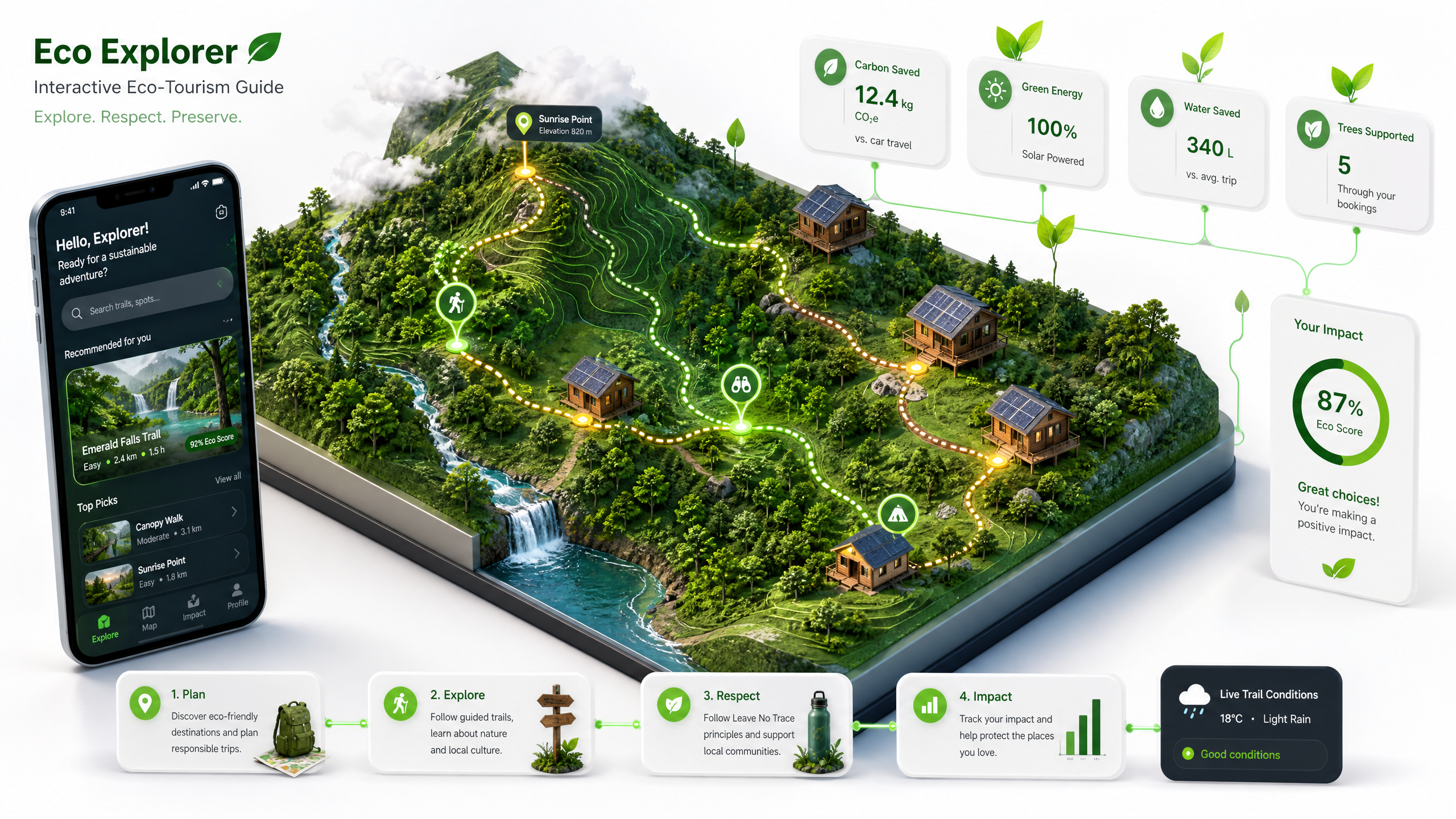
- Interactive maps: Let travelers click on regions to learn more about eco-friendly attractions.
Adding Interactive Features to Your Website
Virtual Tours
Bring destinations to life with 3D interactive tours. For instance:
- Upload 360-degree images or videos of eco-friendly accommodations.
- Use hotspots to highlight sustainable features, like solar panels or organic gardens.
- Add captions or stats explaining the environmental impact.
Quizzes and Itinerary Builders
Engage users with tools that create personalized experiences.
- Eco-tour matching quiz: Help users find their ideal adventure based on preferences.
- Itinerary builder: Enable travelers to customize trips while ensuring sustainable travel practices.
Optimizing Your Eco-Tourism Guide for SEO
An effective guide needs to rank well on search engines. SEO strategies:
- Keyword-rich titles: Include terms like "eco-tourism," "sustainable travel," and "interactive guides."
- Visual alt text: Optimize 3D visuals with descriptive alt text.
- Internal linking: Direct users to related pages, like How to Create a 3D AI Website That Attracts Volunteers for Non-Profits.
- Mobile optimization: Ensure the website loads quickly and remains interactive on mobile devices.