How to Leverage 3D AI Websites for Pre-Launch Product Hype Campaigns
Creating pre-launch buzz for a new product is crucial for a successful launch. With the power of 3D AI websites, you can captivate your audience, communicate your brand story, and build anticipation like never before. This step-by-step guide will show you how to design a cinematic, scroll-driven website to kickstart your product hype campaign.
Why Use 3D AI Websites for Pre-Launch Campaigns?
Traditional websites often fall short when it comes to engaging audiences. A 3D AI website transforms the browsing experience into an interactive journey, making it perfect for pre-launch campaigns. Here’s why:
!how to leverage 3d ai websites for prelaunch product hype campaigns, tutorials
- Engagement Boost: Studies show that interactive content generates twice the engagement of static content.
- Memorability: 3D visuals increase memory retention by up to 65% compared to text alone.
- Differentiation: Stand out in crowded markets with immersive storytelling that captivates your audience.
Step 1: Define Your Campaign Goals and Audience
The first step in crafting a 3D AI website for your pre-launch campaign is understanding exactly what you want to achieve and who you want to reach.
- Identify your goals: Are you building an email list, generating social shares, or driving pre-orders?
- Pinpoint your audience: Define your target demographic and their preferences.
- Align your message: Ensure your 3D website’s design and content resonate with your audience and reflect your goals.
Step 2: Map Out an Immersive User Journey
Your pre-launch website needs to take visitors on a journey that builds excitement and trust. Here’s how:
Craft a Narrative Framework
Your website should tell a compelling story. Start with:
- Hook: Begin with a bold, immersive visual that grabs attention within the first 5 seconds. For example, a dynamic 3D animation showcasing your product’s design or purpose.
- Problem: Highlight the pain points your product solves. Use interactive elements like hotspots or scroll-triggered animations to guide users.
- Solution: Showcase your product’s unique features through 3D product demos or interactive simulations.
Create a Countdown Timer
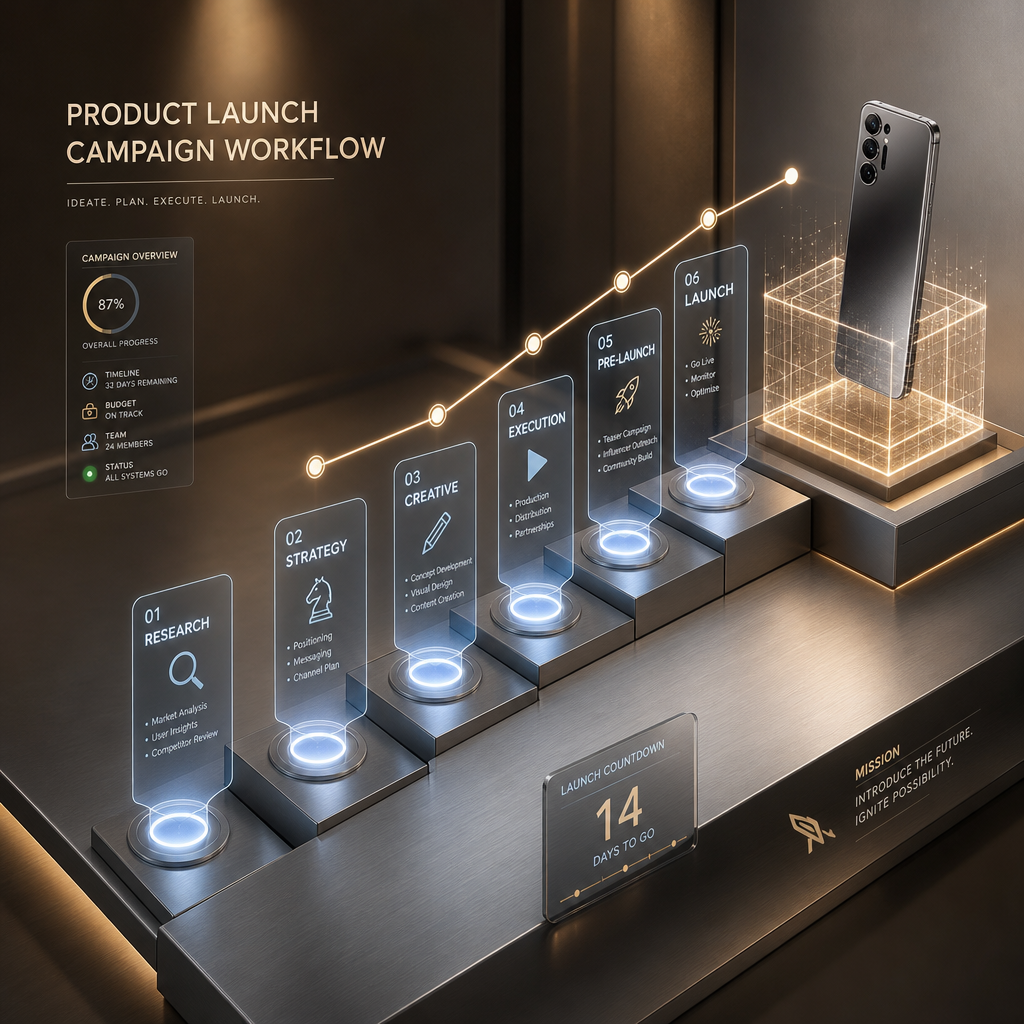
Nothing drives urgency better than a countdown. Use Draftly’s built-in timer feature to show the days, hours, and minutes until your launch.
- Pair the countdown with dynamic backgrounds that change as the timer ticks down.
- Combine the timer with a call-to-action for pre-order or newsletter sign-ups.
Step 3: Use Interactive Features to Generate Buzz
The real value of 3D AI websites lies in their interactive capabilities. Here’s how to use them effectively:
- Interactive product demos: Let users rotate, zoom, and interact with your product in 3D.
- Gamification: Include quizzes, puzzles, or games related to your product to engage users.
- Personalization: Use AI to offer customized recommendations or tailored user journeys.
Step 4: Drive Traffic with Compelling Content
Once your 3D AI website is live, you’ll need to focus on driving traffic. Here’s how to effectively promote your pre-launch campaign:
Leverage Social Media
- Create teaser videos that showcase the 3D features of your website.
- Use hashtags to reach your target audience.
- Partner with influencers to amplify your message.
Optimize for SEO
Ensure your 3D AI website is optimized with:
- Primary keywords related to your product and target audience.
- Metadata, including a compelling meta description and page title.
- Fast loading times and mobile responsiveness.
Step 5: Gather Feedback and Iterate
A pre-launch website isn’t just a marketing tool; it’s a learning opportunity. Use analytics and feedback to refine your campaign.
- Track user behavior: Use heatmaps and session replays to see how visitors interact with your website.
- Collect feedback: Include a simple, interactive survey to gather user opinions.
- Adjust based on data: If users are dropping off at a certain point, tweak the design or content to improve engagement.