Crafting AI Websites for Eco-Tourism Initiatives: Must-Have Design Elements
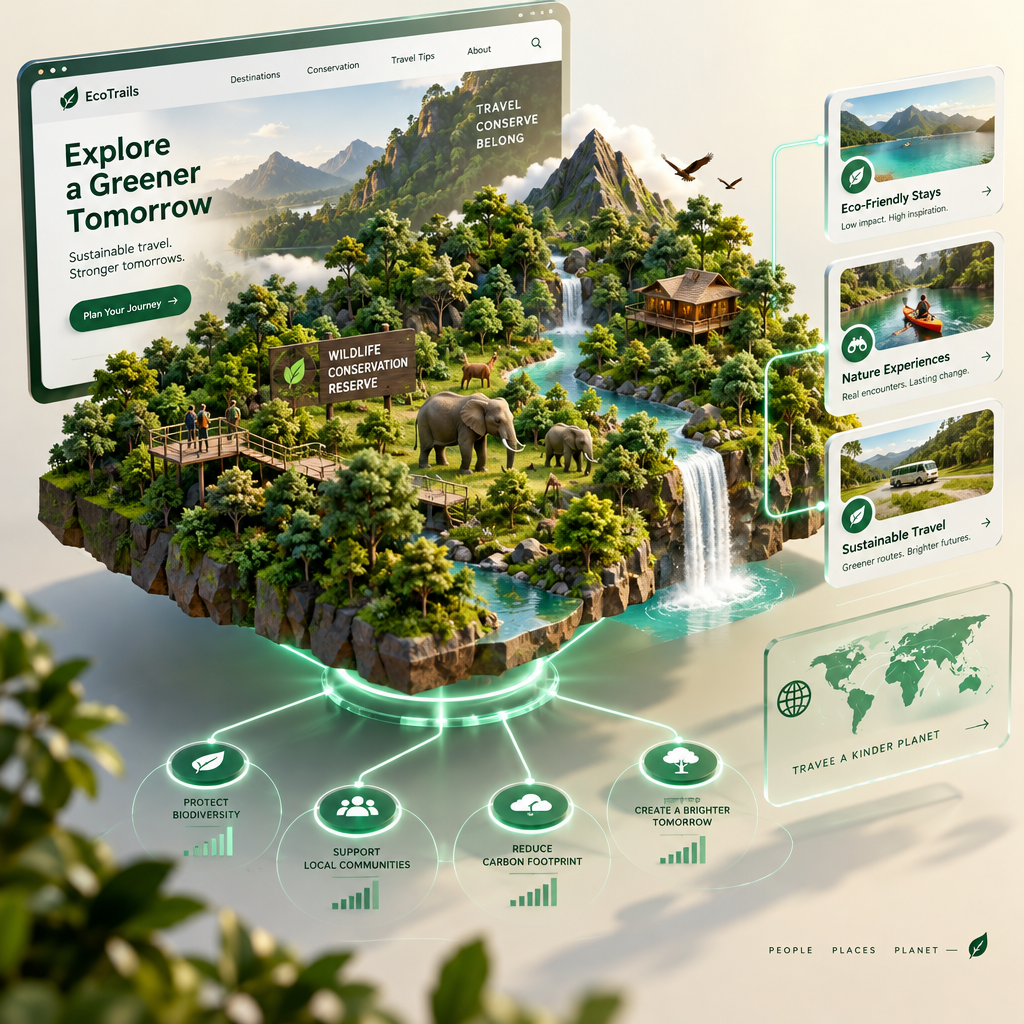
AI-powered websites are revolutionizing the way eco-tourism initiatives connect with their audience, enabling immersive storytelling, interactive features, and impactful calls-to-action. Whether you’re promoting eco-resorts, wildlife conservation, or sustainable travel experiences, crafting an engaging 3D AI website can make all the difference. Let’s walk through the must-have design elements for eco-tourism websites using Draftly.
Why AI Websites Are Perfect for Eco-Tourism
Eco-tourism thrives on storytelling, visual appeal, and connecting with people’s emotions. AI-driven websites take this to the next level by offering customizable, cinematic user experiences that bring the beauty of nature to life. With Draftly, you can build 3D interactive pages that showcase your initiative, engage your audience, and drive action.
!crafting ai websites for ecotourism initiatives musthave design elements, tutorials
Using AI websites for eco-tourism allows you to:
- Create immersive experiences with 3D animations and visual storytelling.
- Highlight conservation efforts with interactive timelines.
- Boost user engagement with interactive calls-to-action like donation portals and trip bookings.
- Tailor content for a global audience using multilingual features.
Step 1: Showcase Stunning Visuals with Immersive Hero Sections
The first impression matters, especially for eco-tourism. A visually striking hero section can captivate visitors and convey the essence of your initiative.
- Use high-resolution media: Upload 4K images or videos of lush forests, pristine beaches, or vibrant wildlife to immediately immerse visitors.
- Incorporate 3D animations: Use Draftly’s tools to add dynamic elements like waves, fluttering leaves, or migrating birds.
- Write an inspiring headline: Highlight your mission in a concise, engaging way, e.g., “Explore Paradise, Preserve Our Planet.”
- Add an action prompt: Include a clear call-to-action like “Book Your Eco-Adventure” or “Join Our Conservation Efforts.”
Step 2: Build Interactive Maps and Travel Itineraries
Eco-tourism often involves unique destinations that visitors may not be familiar with. Interactive maps and travel itineraries are a powerful way to educate and excite potential travelers.
How to Create an Interactive Map
- Use Draftly's 3D map templates to create a base map.
- Highlight key locations: National parks, eco-lodges, or hiking trails.
- Add clickable hotspots: When users click on a hotspot, display rich media like photos, videos, or text about that destination.
- Include eco-tips: Suggest sustainable travel practices for each location.
How to Design a Detailed Itinerary
- Break the itinerary into days or activities.
- Use collapsible sections for each day to keep the design clean.
- Include time estimates, activity descriptions, and sustainability highlights (e.g., local eco-initiatives).
Step 3: Engage Visitors with Storytelling and Multimedia
Compelling stories can turn casual browsers into passionate supporters. Draftly allows you to incorporate scroll-driven narratives to immerse visitors in your story.
- Add timelines: Use 3D interactive timelines to show your project's progress, such as reforestation milestones or wildlife population recovery.
- Incorporate testimonials: Include stories from past travelers, local communities, or volunteers.
- Display impact data visually: Use interactive graphs and charts to show your achievements, like trees planted or endangered species protected.
Step 4: Add Sustainable Call-to-Action Features
Your eco-tourism website isn’t just about information—it’s also about inspiring action. Use Draftly to integrate these key elements for engagement:
- Donation portals: Create an immersive 3D donation page to fund conservation projects. Learn how with our step-by-step guide to creating 3D donation pages for animal rescue NGOs.
- Volunteer sign-ups: Design interactive forms for users to join your initiatives. Use gamified elements to make the process enjoyable.
- Eco-friendly marketplace: Sell eco-tourism packages, sustainable products, or local crafts with an intuitive 3D shopping experience.
- Impact calculators: Allow users to calculate their carbon footprint and offer them tips to offset it.
Step 5: Optimize for Mobile and Accessibility
Eco-tourism websites must be inclusive and accessible to all users, regardless of their devices or abilities. With Draftly, you can ensure seamless usability.
- Mobile-first design: Use Draftly’s responsive templates to create a mobile-friendly experience. Over 50% of website traffic comes from mobile devices, so this is non-negotiable.
- Accessibility features: Include alt text for images, keyboard navigation, and color contrast adjustments.
- Fast loading times: Optimize media to ensure your site loads quickly, even in remote areas with limited connectivity.