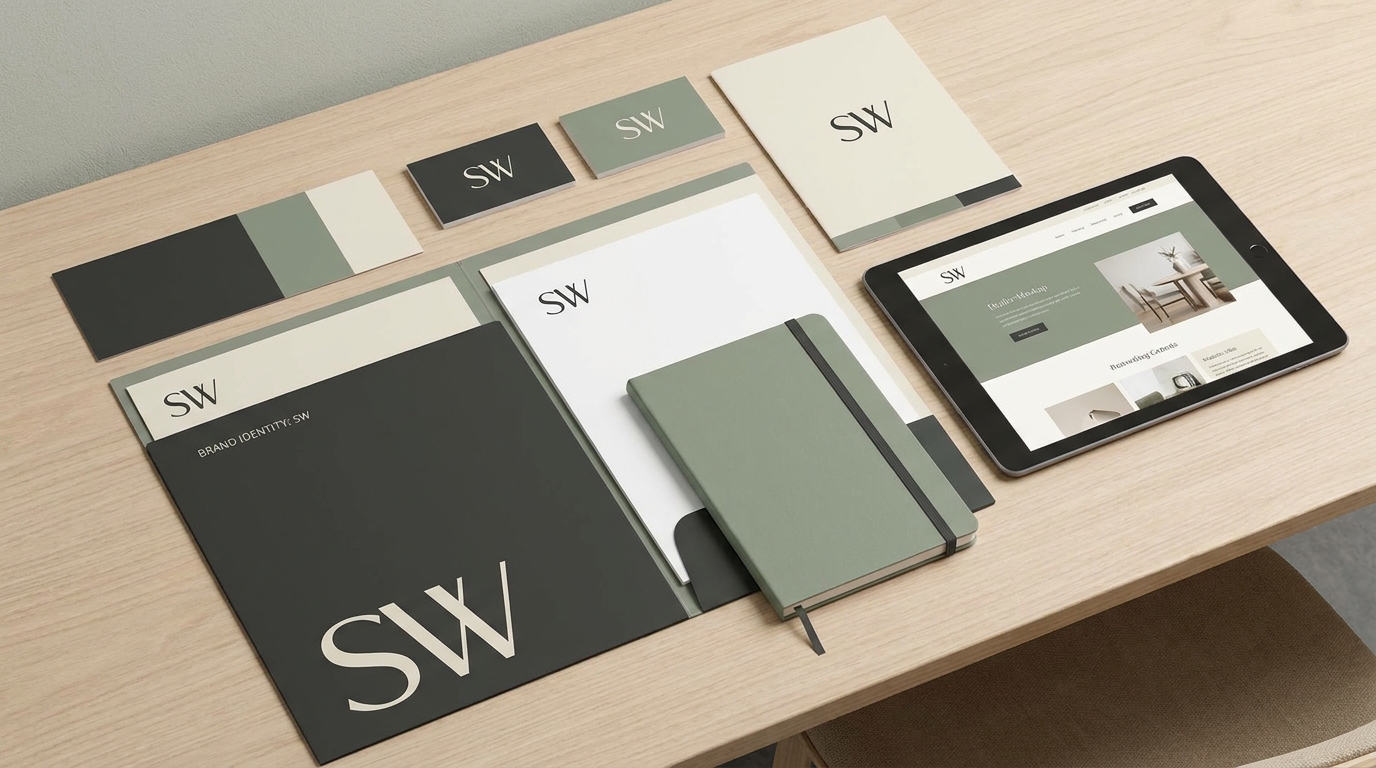
Building AI Websites for Photography Studios: Tips for Stunning Portfolios
Creating a portfolio that truly captures the essence of your photography studio doesn't have to be a daunting task. With AI website builders like Draftly, you can craft cinematic, scroll-driven websites that highlight your work in a visually immersive way. This guide walks you through step-by-step tips to build a portfolio that wows clients and converts leads.
Why AI Websites Are Perfect for Photography Portfolios
AI-driven websites aren’t just faster to create—they’re smarter and more adaptable. Platforms like Draftly allow photography studios to design 3D interactive websites that are visually stunning and fully optimized for user engagement.
!building ai websites for photography studios tips for stunning portfolios, tutorials
- Speed: With AI, turn a single creative prompt into a ready-to-publish website in minutes.
- Personalization: Adjust layouts, colors, and fonts to fit your brand identity seamlessly. Learn how to customize your brand kit.
- User Experience: Interactive 3D effects and scroll-driven animations create a memorable browsing experience.
Step 1: Define Your Portfolio Goals
Before diving into design, clarify the purpose of your photography portfolio. Are you focused on attracting wedding clients, corporate campaigns, or fine art buyers?
- Target Audience: Identify who you're designing for. Wedding clients might prefer a romantic and elegant layout, while corporate clients might value clean and professional aesthetics.
- Key Features: Decide what’s essential, such as an online booking system, client testimonials, or a blog showcasing recent work.
- SEO Goals: Optimize your site for local photography keywords like “best portrait photographer in Mumbai” or “wedding photography in Delhi.”
Step 2: Choose the Right Layout and Visual Effects
Your website layout should prioritize visual storytelling. AI tools like Draftly make it easy to experiment with layouts that complement your style.
Suggested Layouts for Photography Studios
- Grid Galleries: Highlight multiple images at once.
- Scroll-Driven Stories: Use vertical scrolling to narrate the journey behind a photoshoot.
- Cinematic Hero Sections: Start with a full-screen 3D image or video that instantly grabs attention.
Adding 3D Interactivity
- Use parallax scrolling to create depth in your portfolio.
- Add hover effects to bring life to your images.
- Incorporate 3D transitions between pages to keep users engaged.
Step 3: Organize Your Content for Maximum Impact
A cluttered portfolio can overwhelm visitors. Organize your content into clear, user-friendly sections.
Essential Portfolio Sections
- Homepage: Introduce your studio with a captivating tagline and a striking image.
- Gallery: Showcase your best work in categories like weddings, portraits, or landscapes.
- About Me/Us: Share your story and highlight what sets you apart.
- Services: Clearly outline your packages, pricing, and add-ons.
- Contact: Include an easy-to-use form, email, and phone number.
Step 4: Optimize for SEO and Mobile Users
An amazing portfolio won’t drive results if people can’t find it. SEO and mobile optimization are non-negotiable.
SEO Best Practices
- Use Keywords: Add location-specific keywords to your headers, meta descriptions, and image alt text.
- Compress Images: Maintain quality while reducing file sizes for faster loading.
- Meta Tags: Write compelling meta titles and descriptions for every page.
Mobile-First Design
- Ensure your site is fully responsive.
- Test how galleries and 3D effects display on smaller screens.
- Use thumb-friendly navigation for ease of use on mobile devices.
Step 5: Add Booking and Client Interaction Features
Turn visitors into clients by making it easy for them to book your services or reach out.
- Integrated Booking: Embed a calendar system that syncs with your availability.
- Call-to-Action Buttons: Use buttons like “Book a Consultation” or “View Packages.”
- Live Chat: Provide instant answers to client queries through a chat widget.
Step 6: Test, Launch, and Iterate
Before going live, ensure everything works as intended.
- Test Navigation: Check if menus and links lead to the correct pages.
- Optimize Load Speed: Pages should load within 3 seconds.
- Gather Feedback: Share a preview with trusted clients or colleagues for input.