How to Build AI Websites for Online Therapy Platforms to Gain Client Trust
In therapy, trust is paramount. Your online presence should reflect empathy, security, and professionalism—all while offering seamless user experiences. AI-driven websites can achieve this by blending interactive design and personalization. This guide walks you through building a website for online therapy platforms using Draftly.
Why AI Websites are Ideal for Online Therapy Platforms
AI websites are not just visually appealing; they’re functional, adaptable, and interactive. For therapy platforms, this means:
!how to build ai websites for online therapy platforms to gain client trust, tutorials
- Personalized user journeys: AI can tailor content based on user queries and preferences.
- Interactive features: Tools like appointment scheduling and chatbot counseling simulate in-person experiences online.
- Security assurance: AI enables seamless encryption protocols that protect sensitive data.
Step-by-Step Guide to Building AI Websites for Therapy Platforms
Follow these steps to create a client-centric, trust-building website for your therapy service.
1. Define Your Therapy Brand Voice
Your site must feel human, not robotic. Start by:
- Identifying your core values: empathy, confidentiality, and professionalism.
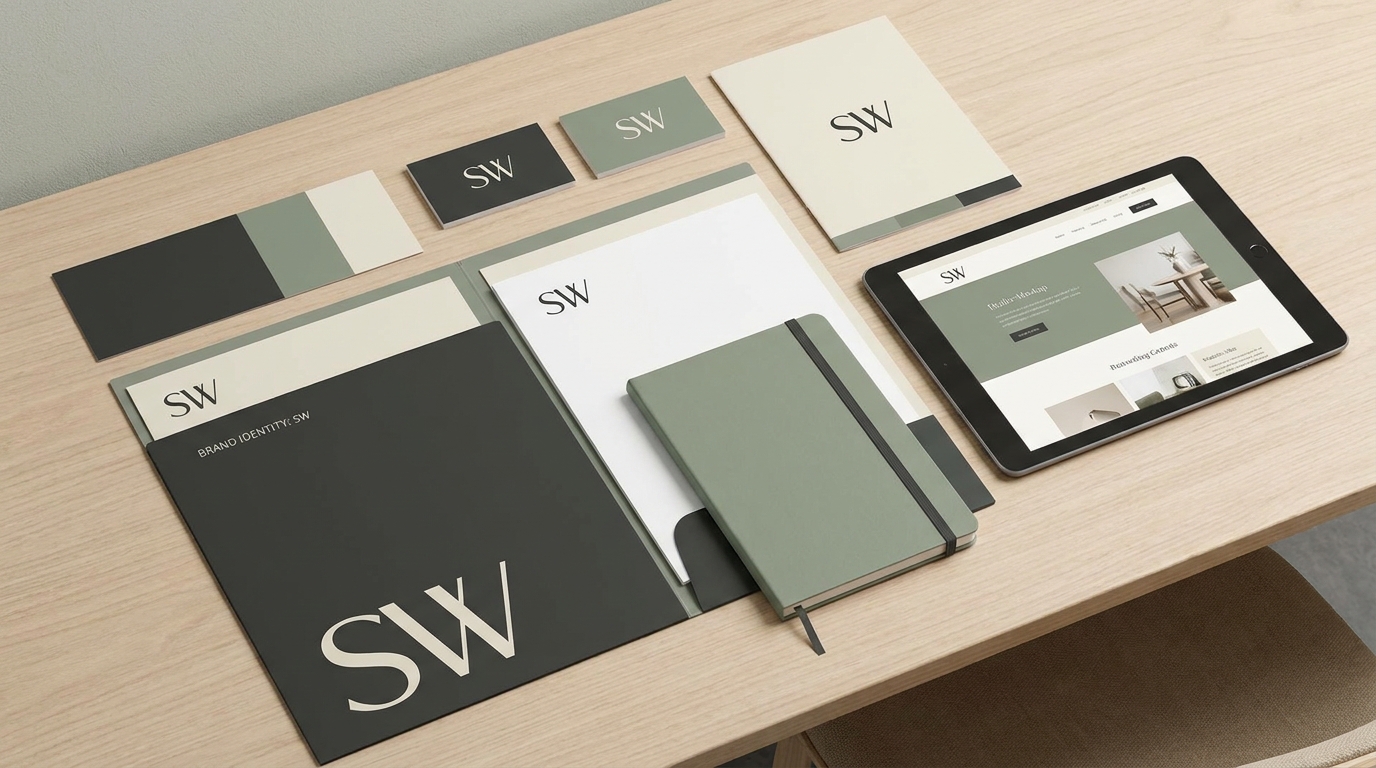
- Customizing your website’s fonts, colors, and styles to align with your therapy brand. How to Customise Fonts, Colors and Your Brand Kit in Draftly explains this in detail.
- Using calming tones like blues and whites to create a serene feel.
2. Create Interactive Onboarding Features
First impressions matter. Build trust with onboarding features that:
- Educate visitors on how therapy works and what to expect.
- Include a guided virtual tour of your services.
- Use Draftly’s 3D animation tools to create interactive pathways, similar to 3D Animated Service Catalogs for Wellness Centers.
3. Add Secure Appointment Booking
A safe, intuitive booking system is essential. Steps to implement:
- Use AI-powered scheduling widgets integrated with encrypted payment gateways.
- Offer real-time availability updates.
- Provide reminders and follow-ups via email or SMS.
4. Incorporate AI Chatbots for Pre-Therapy Queries
AI chatbots simulate initial counseling sessions, answering common concerns like:
- “How do I know I need therapy?”
- “What types of therapy do you offer?”
Advanced Features for Enhancing Client Trust
Build Visual Storytelling Elements
Interactive visuals, such as 3D animations, can narrate your therapy journey. Use:
- A timeline of progress, showing how therapy evolves.
- Case studies in 3D explainer format, inspired by 3D Explainer Pages for Fintech Apps.
Leverage AI for Personalized Client Portals
Create portals where clients can:
- Access session notes securely.
- Track progress with interactive graphs.
- Communicate with therapists between sessions.
Optimizing SEO for Therapy Websites
Focus on Trust-Centric Keywords
Keywords that highlight empathy and professionalism help build trust. Examples:
- “secure online therapy booking”
- “confidential virtual therapy sessions”
- “trusted online counseling platform”
Use Structured Data for Local SEO
Include schema markup for therapy services, highlighting:
- Service regions
- Specializations (e.g., cognitive behavioral therapy or family therapy)