How to Design AI-Powered Landing Pages That Maximize Lead Generation
Creating landing pages that convert visitors into leads is both an art and a science. With the rise of AI tools like Draftly, you can now design high-performance landing pages that are not just visually stunning but also tailored to your audience’s preferences. This step-by-step guide shows you how to harness the power of AI to build landing pages optimized for lead generation.
Why Use AI for Landing Page Design?
AI-powered tools revolutionize the way we design landing pages. They don't just save time; they optimize the user experience.
!how to design aipowered landing pages that maximize lead generation, tutorials
- Data-driven decisions: AI analyzes user behavior and generates layouts proven to convert.
- Personalization at scale: Tailor content and design elements for different audience segments.
- Speed to market: Tools like Draftly deliver cinematic, scroll-driven pages in minutes.
1. Start with a Clear Goal
Every landing page needs a single, focused goal. Whether it’s collecting emails, generating sign-ups, or selling a product, clarity is key.
How to Define Your Goal
- Identify your primary conversion action (e.g., "Download E-book" or "Sign Up for Free Trial").
- Align your goal with your target audience's needs and pain points.
- Keep the goal simple and specific—avoid overwhelming users with too many options.
2. Leverage AI for Visual Storytelling
AI tools like Draftly enable you to create cinematic, scroll-driven visuals that capture attention and guide users through a seamless narrative.
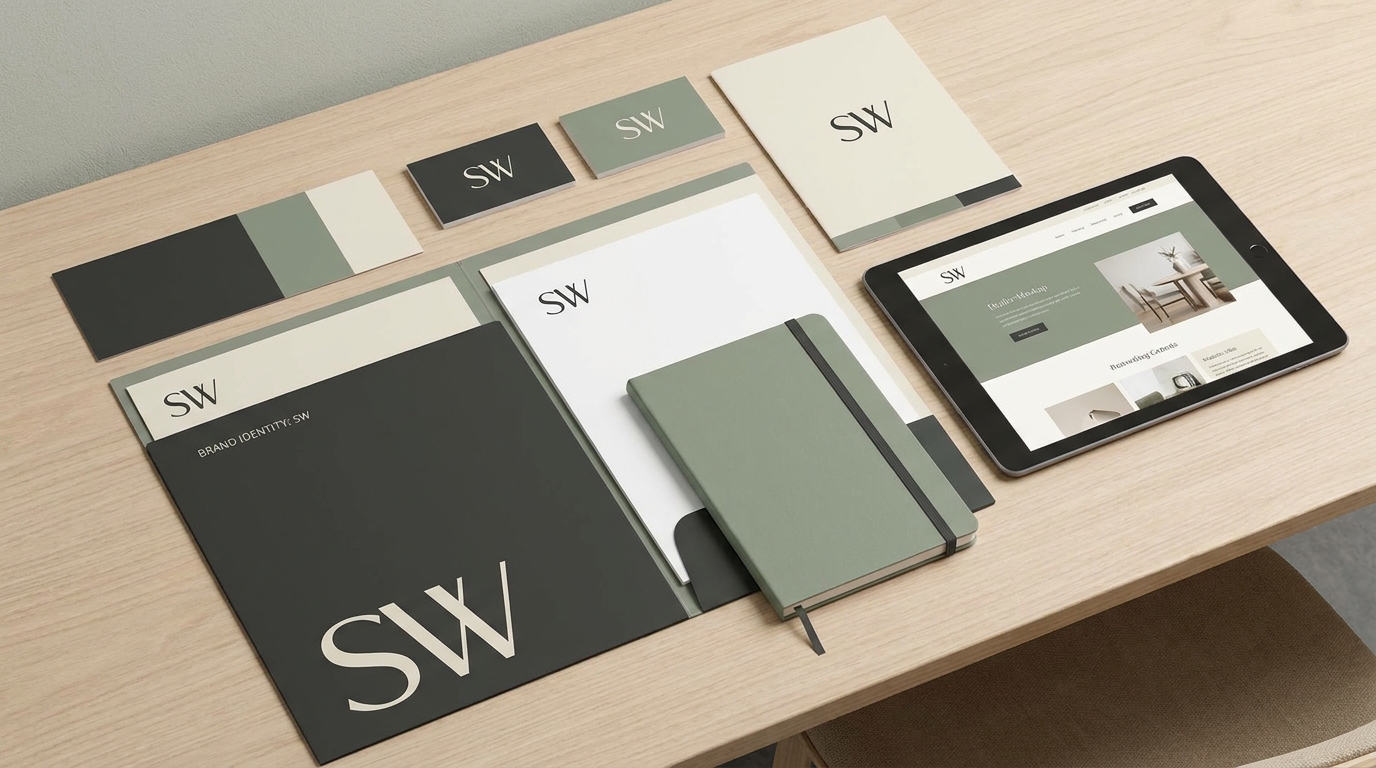
- Use AI to generate personalized themes that match your brand identity. Learn how to customize fonts and colors to create a cohesive look.
- Incorporate 3D elements to make your content immersive and memorable, as demonstrated in this guide for adventure sports clubs.
- Optimize for mobile views—63% of all web traffic comes from mobile devices, so responsive design is non-negotiable.
3. Optimize Your Call-to-Action (CTA)
Your call-to-action (CTA) is the linchpin of lead generation. AI can help you test and refine CTAs for maximum effectiveness.
Designing a High-Impact CTA
- Keep your CTA copy actionable and benefit-driven (e.g., "Get My Free Guide" instead of "Submit").
- Use AI to analyze user data and determine the best placement for your CTA.
- Test multiple versions of your CTA button using A/B testing tools. According to studies, changing a CTA button color can boost conversions by 21%.
4. Personalize Content Using AI Insights
One-size-fits-all content no longer cuts it in today’s market. AI can help you customize landing page elements for different audience segments.
- Use AI to analyze visitor data, such as demographics and behavior, to deliver tailored messaging.
- Implement dynamic content that adapts based on user actions. For example, show different headlines to new visitors versus returning ones.
- Combine personalization with 3D interactive elements to encourage deeper engagement, as seen in this guide to 3D interactive alumni pages.
5. Build Trust with Social Proof and Testimonials
AI tools can pull in real-time reviews, testimonials, and case studies to build trust and credibility.
- Include a section for customer testimonials with dynamic updates from social media or review platforms.
- Highlight metrics like the number of users, success stories, or testimonials. For example, "Over 10,000 downloads this month!"
- Use AI to analyze which testimonials resonate most with your audience and prioritize them.
6. Leverage Analytics for Continuous Improvement
Your landing page should evolve based on data. AI-powered analytics tools simplify this process by identifying what works and what doesn’t.
Steps to Optimize Performance
- Set up AI-powered heatmaps to track user interaction with your landing page.
- Monitor conversion rates and identify drop-off points.
- Use AI recommendations to tweak headlines, images, and CTAs. For example, changing a headline can improve engagement by as much as 64%, according to marketing studies.
- Regularly A/B test your page layout, messaging, and visuals to ensure optimal performance.