AI-Powered 3D Websites for Virtual Art Exhibitions: Design & Monetization Tips
Virtual art exhibitions are redefining the way artists reach global audiences. With AI-powered 3D websites, you can create immersive, scroll-driven experiences that showcase artworks in their best light while opening doors to monetization opportunities. Here’s a practical guide to designing and monetizing these exhibitions.
Why Choose AI-Powered 3D Websites for Art Exhibitions?
AI-powered 3D websites stand out for their ability to replicate the depth and engagement of physical galleries. They:
!aipowered 3d websites for virtual art exhibitions design monetization tips, tutorials
- Provide cinematic storytelling with scroll-driven animations.
- Offer a multi-sensory experience, combining visuals, sound, and interactivity.
- Enable global accessibility, eliminating physical barriers to art.
- Simplify the design process with platforms like Draftly.
Designing a 3D Art Exhibition Website Step-by-Step
Step 1: Define the Exhibition Theme and Audience
Start by identifying your theme and target audience. Will your exhibition focus on contemporary art, photography, or sculptures? Knowing your audience helps you tailor the experience and layout.
- Use AI-generated mood boards to visualize your theme.
- Segment your audience by demographics and preferences.
- Research successful virtual exhibitions like those created for Indian architects.
Step 2: Choose the Right Layout and Features
Draftly offers templates with customizable 3D layouts. Select one that matches your theme and add features like:
- Virtual walk-throughs with cinematic animations.
- Zoom-in functionality for detailed artwork viewing.
- Dynamic lighting effects to mimic gallery ambiance.
- Soundscapes for immersive storytelling.
Step 3: Organize Artworks into Interactive Sections
Divide your exhibition into categories for seamless navigation. For example:
- By Medium: Paintings, sculptures, digital art.
- By Era: Modern, post-modern, contemporary.
- By Artist: Featured collections.
Step 4: Optimize Visuals and Loading Time
High-resolution visuals are critical for art exhibitions but can slow down loading times. Optimize images and 3D models:
- Compress image files without losing quality.
- Use Draftly’s AI tools to preload animations for smoother transitions.
- Enable lazy loading for non-priority elements.
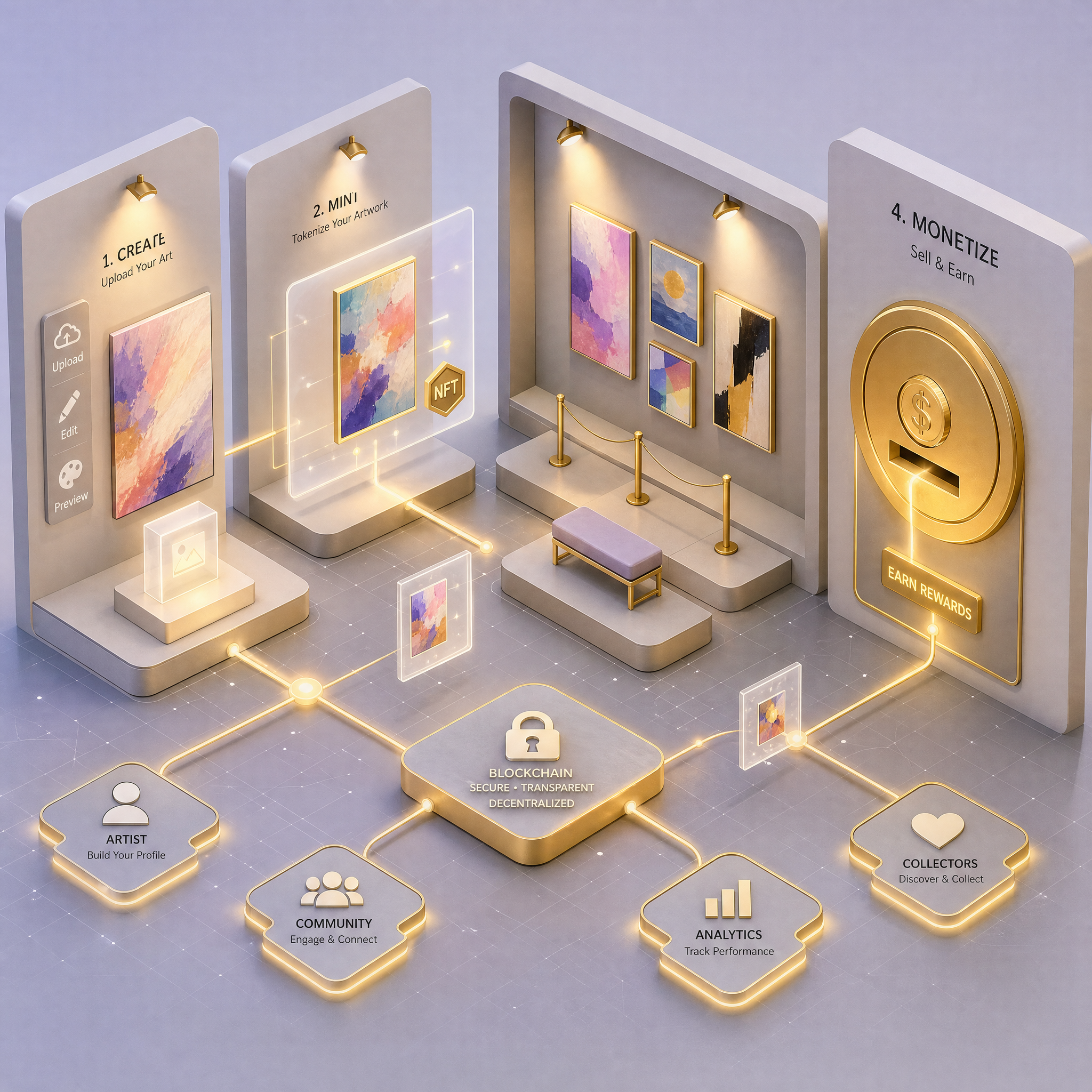
Monetizing Virtual Art Exhibitions
Ticketing and Memberships
Charge entry fees or offer exclusive memberships to access premium features like:
- Private virtual tours.
- Behind-the-scenes artist interviews.
- Limited-edition digital downloads.
Partnering with Sponsors
Collaborate with art supply brands, galleries, or cultural organizations. Offer sponsorship packages that include branding opportunities within the exhibition space.
- Add clickable sponsor banners.
- Dedicate a section to partner highlights.
Selling Artworks Online
Enable visitors to buy artworks directly through your website. Ensure:
- Secure e-commerce integration for transactions.
- Easy-to-use purchase forms.
- Real-time availability updates.
Enhancing User Engagement
Host Live Events
Include live artist Q&A sessions or virtual workshops. Use Draftly’s event pages to:
- Create registration portals.
- Embed countdowns for upcoming events.
- Stream directly within the exhibition.
Create Shareable Content
Make your exhibition go viral by offering:
- Social media integrations for easy sharing.
- Custom hashtags to promote user-generated content.
- Downloadable teaser videos or wallpapers.