How to Build Interactive Donation Pages with AI-Powered 3D Websites
Creating an engaging donation page isn’t just about functionality—it’s about storytelling. With AI-powered 3D website builders like Draftly, you can craft cinematic, scroll-driven pages that not only inspire but also convert. This guide walks you through building interactive donation pages that captivate donors, streamline the giving process, and maximize contributions.
Why Choose AI-Powered 3D Websites for Donation Pages?
AI-powered 3D websites offer an immersive user experience that static pages simply can’t match. They use scroll-driven animations, dynamic visuals, and contextual storytelling to engage visitors in ways traditional websites can’t.
!how to build interactive donation pages with aipowered 3d websites, tutorials
With tools like Draftly, you can create these experiences quickly, using just a prompt. Whether you're building a portal for an NGO, a crowdfunding campaign, or a charitable event, interactive 3D pages can:
- Increase donor engagement by up to 75% (source: HubSpot research).
- Boost conversion rates by creating an emotional connection to your cause.
- Make your campaign stand out in a sea of static donation pages.
Step 1: Craft a Compelling Narrative
Before you dive into design, get clear on your story. Why does your cause matter? Who will benefit from the donations? A strong narrative is the backbone of any donation campaign.
- Define your purpose: What problem are you addressing, and how will donations help solve it?
- Highlight impact: Use specific numbers, e.g., "Every $50 provides clean water to a family for a year."
- Tell real stories: Include testimonials or case studies from people who’ve benefited from your cause.
Step 2: Choose the Right Draftly Template
Draftly offers a variety of pre-designed templates for donation pages, optimized for specific use cases. Here’s how to pick the best one:
- NGOs or charities: Look for templates with space for videos, testimonials, and donation progress bars.
- Crowdfunding campaigns: Find templates that highlight individual stories and allow for tiered donation levels.
- Event-based donations: Consider using templates designed for 3D educational event pages or festivals, which often include event schedules and RSVP options.
Step 3: Customize Fonts, Colors, and Branding
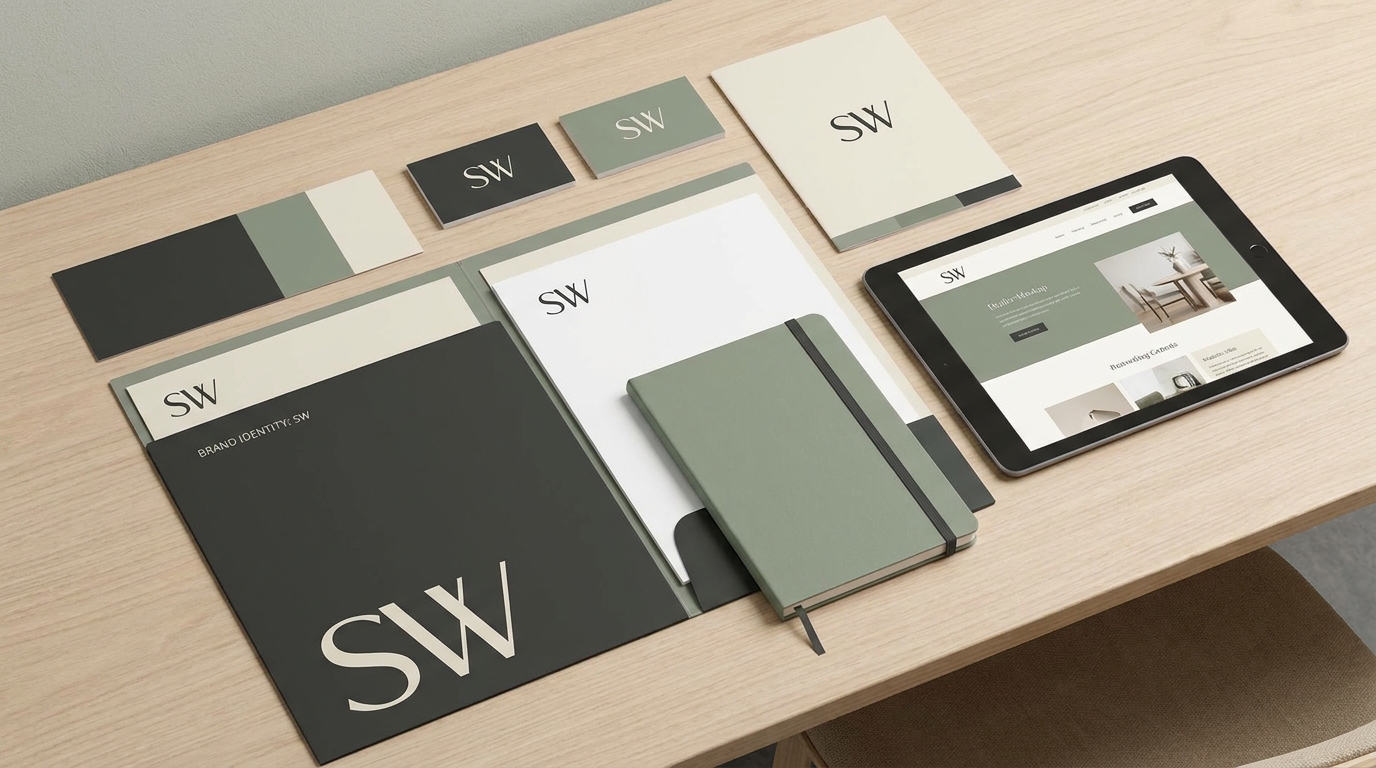
Your donation page should visually align with your organization’s identity. Use Draftly’s intuitive customization tools to tweak fonts, colors, and branding elements.
- Fonts: Opt for readable yet emotional fonts like Lora or Roboto Slab.
- Colors: Use warm tones like orange or green to evoke trust and optimism.
- Logos and images: Upload high-resolution versions that look crisp in a 3D environment.
Step 4: Add Interactive Features for Donors
Interactive elements can significantly improve engagement and make the donation process seamless. Here’s what to include:
1. Dynamic Progress Bars
Showcase how close you are to reaching your funding goal. For example, a bar that dynamically updates as donations roll in can increase contributions by 35% (source: Classy).2. Tiered Donation Options
Let donors choose from pre-set amounts (e.g., $25, $50, $100) or enter a custom amount. Pair each tier with a tangible outcome, like "$50 feeds a child for a month."3. Scroll-Triggered Storytelling
Use Draftly’s 3D animations to guide users through a visual journey. For example:- Start with a heartfelt video introduction.
- Transition into an animated timeline showing your past impact.
- Conclude with a call-to-action overlaying the donation form.
Step 5: Optimize the Donation Journey
A frictionless donation process is crucial for conversions. Here’s how to optimize it:
- Mobile-first design: Ensure the page loads quickly (under 3 seconds) and looks great on all devices.
- One-click payments: Integrate payment gateways like Stripe, Razorpay, or PayPal for fast transactions.
- Donation receipts: Automatically email a personalized thank-you note and receipt.
Step 6: Test and Launch Your Page
Before going live, test your donation page thoroughly:
- Check responsiveness: Test on desktop, tablet, and mobile.
- Simulate the user journey: Start from the homepage, navigate to the donation section, and complete a transaction.
- Gather feedback: Share a draft link with colleagues or supporters for input.