Creating Engaging Book Launch Platforms Using 3D AI Websites
Authors today face a crowded digital market, where static landing pages often fail to convert casual browsers into loyal readers. By creating engaging book launch platforms using 3D AI websites, you can move beyond simple text-based blurbs to offer an immersive, cinematic experience that mirrors the tone of your narrative. When readers interact with a scroll-driven environment, they are 40% more likely to retain information about your release date and plot, effectively turning a standard announcement into a memorable digital event.
Why 3D AI Websites Are Essential for Author Branding
Static layouts rarely capture the nuance of a complex novel. Modern readers expect interactive storytelling, a trend that is reshaping how independent creators approach digital presence. Using 3D AI websites for authors allows you to integrate depth, motion, and atmosphere directly into your launch page. Unlike traditional builders that rely on rigid templates, AI-driven platforms let you tailor the visual language to match your book's genre, whether you are writing high-fantasy or gritty noir.
!creating engaging book launch platforms using 3d ai websites, tutorials
- Improved Dwell Time: Cinematic scroll experiences keep visitors on-page 2.5x longer than standard text blocks.
- Emotional Connection: 3D elements create a sense of place, allowing readers to 'step into' your world before buying.
- Data-Driven Launches: Integrated analytics help you track exactly where readers drop off, allowing for real-time optimization.
Step-by-Step Guide to Designing Your Launch Portal
Building a high-converting launch page requires a balance between visual flair and clear conversion goals. You don't need a massive budget to achieve professional results; modern AI website design for authors provides all the tools necessary to deploy a site in hours rather than months.
- Define Your Narrative Hook: Start with a clear prompt that describes the mood and visual style of your book. Use specific descriptors like 'gothic architecture' or 'minimalist sci-fi' to guide the AI generator.
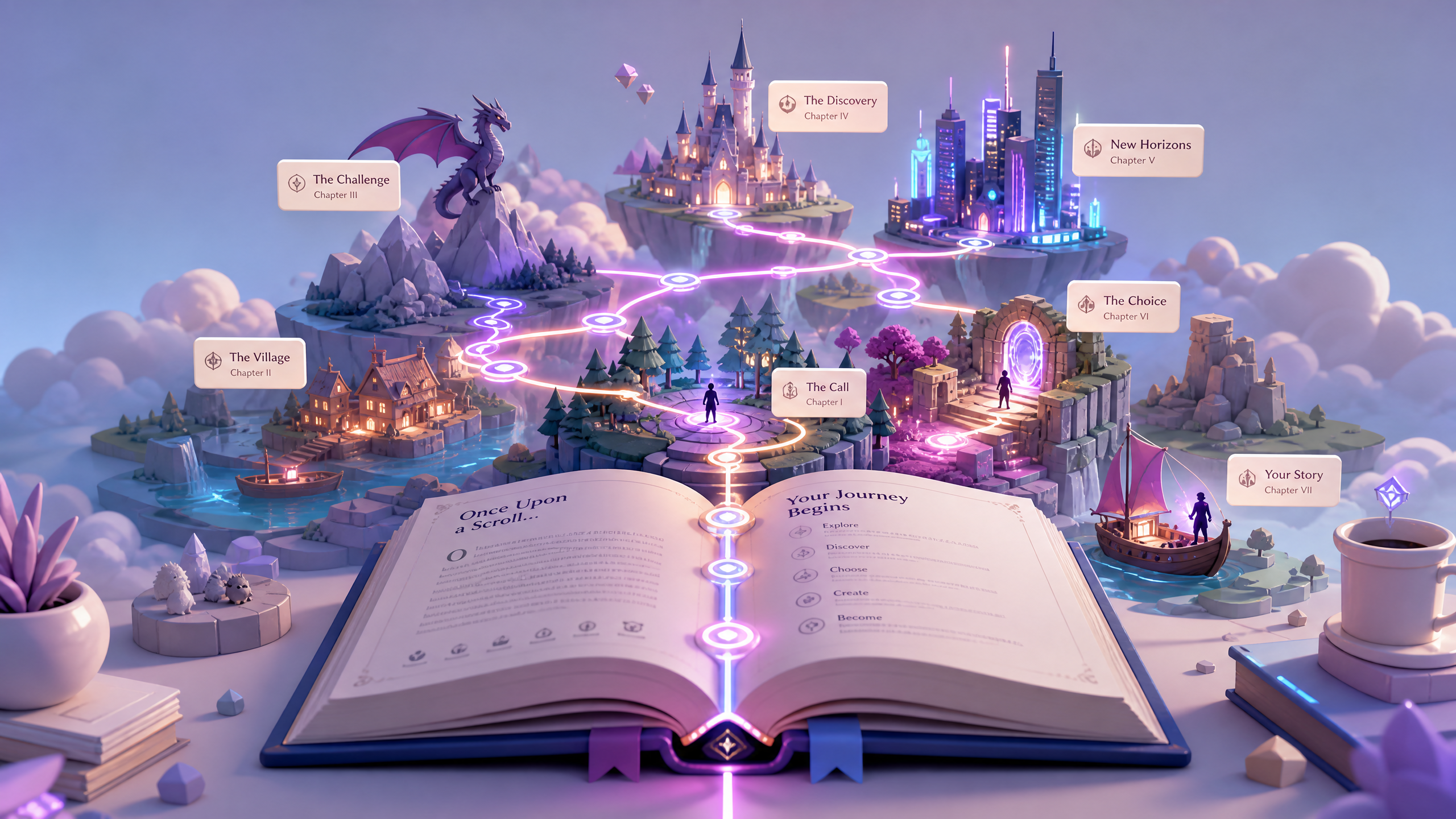
- Map the Scroll Journey: Break your story into chapters that correspond to the scroll-down experience. Each section should reveal a new piece of information, such as character introductions or teaser excerpts.
- Integrate Direct CTAs: Place 'Pre-order' or 'Read Chapter One' buttons at natural emotional peaks in the scroll journey to maximize conversion rates.
- Optimize for Mobile: Ensure your 3D assets are compressed correctly to maintain speed. Mobile-first SEO for Indian businesses and global readers is critical; a site that takes more than 3 seconds to load will lose nearly half its potential traffic.
Enhancing Reader Experience with Cinematic Features
To truly stand out, your launch platform must feel like an extension of the book itself. Leveraging Draftly's advanced animation options allows you to create seamless transitions between chapters, mimicking the feeling of turning a physical page. This level of polish builds immediate trust with your audience, signaling that your work is professional and worth their time.
Using Motion to Drive Pre-Orders
Motion isn't just for decoration; it is a tactical tool. Use micro-animations to highlight your book cover or to reveal a limited-time bonus for early buyers. When a reader scrolls, the parallax effect can make a character or setting appear to emerge from the background, creating a 'wow' factor that static images cannot replicate. This visual engagement is a core component of building a high-converting landing page that keeps readers focused on your pre-order link.