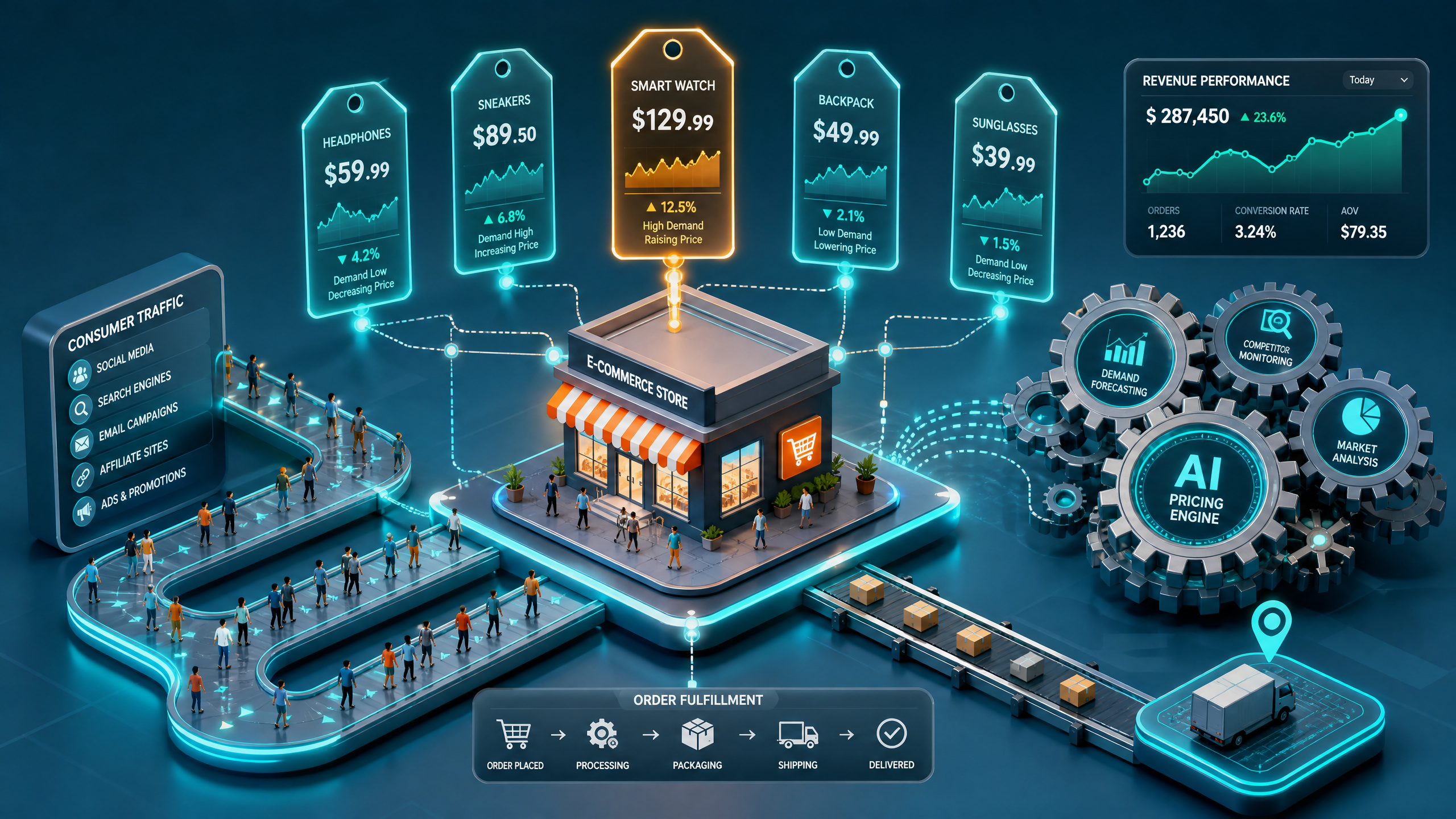
How to Use AI Websites to Implement Dynamic Pricing Strategies for E-commerce
Dynamic pricing isn't just for airlines and hotels anymore. E-commerce businesses are now leveraging AI websites to adjust prices in real-time based on demand, competition, and consumer behavior. With tools like Draftly, you can create AI-powered e-commerce websites that make dynamic pricing seamless and effective.
In this guide, we'll walk you through how to use AI websites to implement dynamic pricing strategies in your e-commerce store, boost sales, and maximize profit margins.
Why Use Dynamic Pricing in E-commerce?
Dynamic pricing allows businesses to adjust their prices based on market demand, competitor prices, and customer behavior. It's a proven strategy for increasing revenue and staying competitive in crowded markets.
!how to use ai websites to implement dynamic pricing strategies for ecommerce, tutorials
- Boosts Sales: Dynamic pricing can increase sales by up to 30% by optimizing price points, according to a study by McKinsey.
- Maximizes Profit: Companies using dynamic pricing strategies have seen profit increases of 25% or more.
- Improves Competitiveness: Stay ahead by matching or undercutting competitors' prices in real-time.
How AI Websites Simplify Dynamic Pricing
AI websites utilize advanced algorithms and data analytics to collect, process, and act on real-time information. Here’s how they make dynamic pricing possible:
- Real-Time Data Collection: AI websites can track customer behavior, competitor pricing, and market demand instantly.
- Predictive Analytics: AI-powered tools like machine learning algorithms predict demand surges and dips, allowing you to adjust prices preemptively.
- Automated Adjustments: AI websites can automatically update product prices based on preset rules or machine learning insights.
Step-by-Step Guide to Implement Dynamic Pricing with AI Websites
Let’s dive into the practical steps for using AI websites to set up dynamic pricing for your e-commerce store.
1. Collect the Right Data
Data is the foundation of any dynamic pricing strategy. AI websites excel at gathering and analyzing data in real time.
- Install analytics tools on your AI website to monitor user behavior, page views, and conversion rates.
- Track competitor prices using external APIs or tools integrated into your website.
- Focus on seasonal trends, demand spikes, and customer purchasing history.
- Use AI to segment your audience by analyzing their behavior, preferences, and spending patterns.
2. Select a Dynamic Pricing Model
Choosing the right pricing model is crucial. Here are a few common models:
- Time-Based Pricing: Prices fluctuate based on the time of day, week, or year. For example, increase prices during holidays.
- Demand-Based Pricing: Adjust prices based on product demand. High demand increases prices, while low demand triggers discounts.
- Competitor-Based Pricing: Monitor competitors' pricing and adjust yours to remain competitive.
- Customer Behavior Pricing: Offer personalized prices or discounts based on customer behavior, such as loyalty or browsing history.
3. Set Dynamic Pricing Rules
Once you've chosen a model, set up rules for how your prices should change.
- Define maximum and minimum price limits: Prevent your prices from becoming too high or too low.
- Use AI to predict demand spikes: For example, a product that trends on social media may warrant a price increase.
- Incorporate competitor data: Automate price adjustments when a competitor changes their pricing.
- Test rules in a controlled environment: Use A/B testing to measure the impact of your dynamic pricing strategies.
4. Leverage AI for Real-Time Adjustments
AI websites can automate real-time pricing adjustments, saving you time and effort.
- Use machine learning models to predict future customer behavior and demand.
- Set thresholds for your AI system to act autonomously when certain conditions are met, such as inventory running low.
- Integrate a 3D dynamic pricing dashboard to visualize trends and sales performance, similar to how Draftly helps create 3D campaign dashboards.
5. Monitor and Refine Your Strategy
Dynamic pricing is not a set-it-and-forget-it strategy. Continuous monitoring and optimization are key.
- Analyze performance metrics: Monitor how often prices change and the impact on customer acquisition and retention.
- Adjust rules regularly: Tweak your pricing thresholds and models based on what works best for your audience.
- Use Draftly’s interactive dashboards to gain deeper insights into the effectiveness of your strategies.
Benefits of AI-Powered E-commerce Websites for Dynamic Pricing
Harnessing AI in your e-commerce platform offers a range of benefits:
- Increased Revenue: Businesses using AI dynamic pricing see an average revenue lift of 10%-30%.
- Personalized Shopping Experiences: Tailor your pricing to individual customers to boost loyalty.
- Operational Efficiency: Automate pricing adjustments, freeing up time for other business priorities.