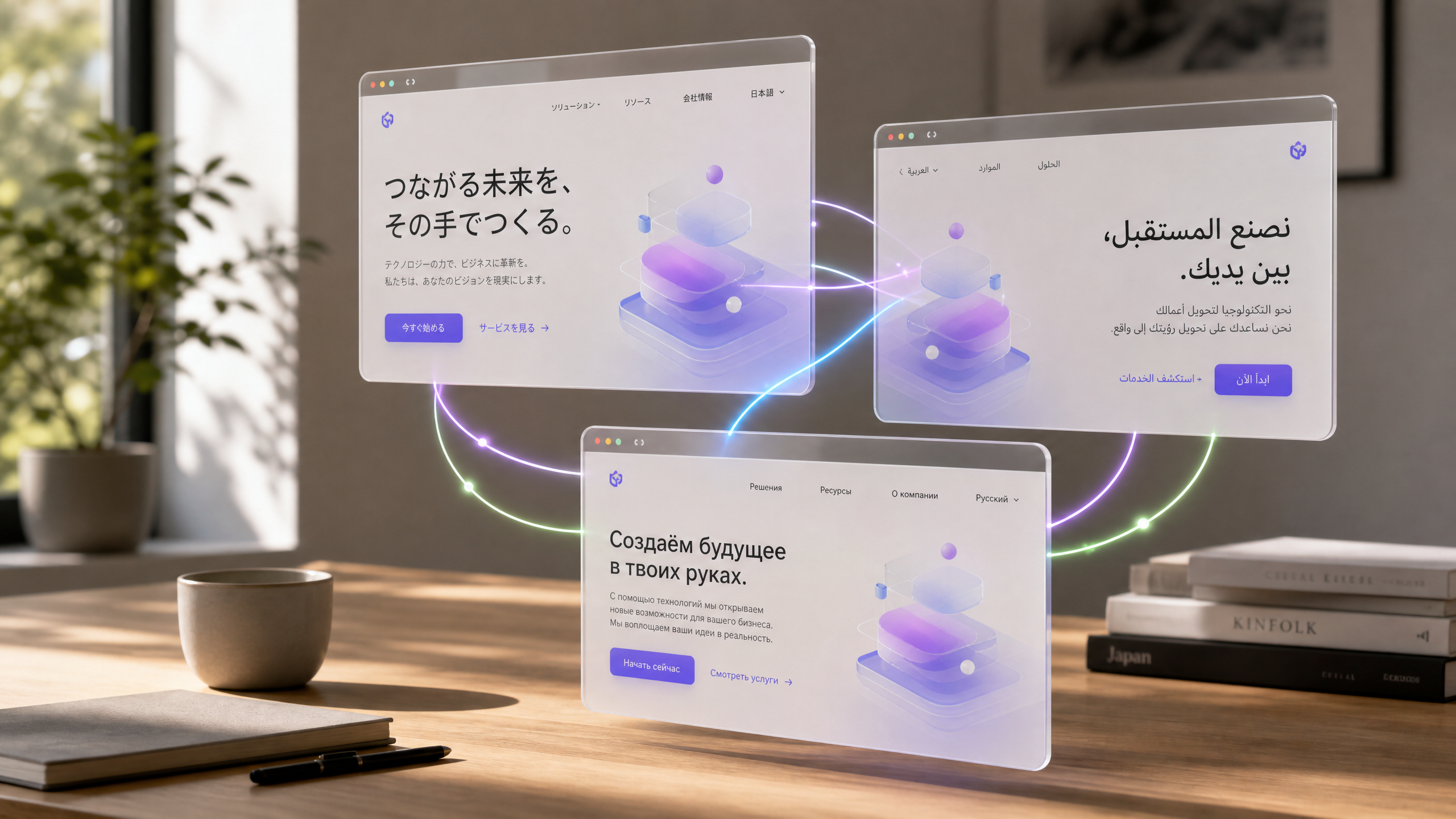
Using AI Websites to Cater to Multilingual Audiences Without Breaking the Bank
Reaching a global audience is no longer a luxury—it’s a necessity. But creating multilingual websites has traditionally been costly and time-intensive. That’s where AI-powered website builders like Draftly come in. By leveraging advanced AI, you can create stunning, multilingual websites without hiring a team of translators or developers. Here's how to do it step-by-step.
Why Multilingual Websites Matter
A multilingual website is essential for businesses targeting diverse markets. According to a 2022 study by CSA Research, 76% of online shoppers prefer to buy products in their native language, and 40% won’t even consider buying if the website is not in their language.
!using ai websites to cater to multilingual audiences, product
AI websites make it possible to:
- Expand your reach to global audiences
- Build trust by communicating in your audience’s native language
- Save up to 70% on traditional translation and development costs
Step-by-Step: How to Use AI for Multilingual Websites
Follow these practical steps to create a cost-effective multilingual website using AI tools.
1. Start with an AI Website Builder
Choose an AI-driven platform like Draftly. Its built-in tools can translate text, localize visual elements, and even adapt animations for various languages.
- Sign up for Draftly and select a template from the Draftly Section Library.
- Use AI features to customize the website’s design, ensuring it’s adaptable for multiple languages.
2. Leverage AI Translation Tools
AI translation has come a long way, with platforms like DeepL and Google Translate offering high-quality results. Draftly integrates seamlessly with these tools to translate your content directly within the builder.
- Write your content in your primary language.
- Use Draftly’s AI to translate the text into your target languages.
- Review and refine translations to ensure cultural nuances are captured accurately.
3. Localize Beyond Language
Localization isn’t just about translation—it’s about cultural adaptation. AI tools can help you:
- Adjust currency, date formats, and units of measurement
- Modify imagery to resonate with specific demographics
- Ensure compliance with local regulations like GDPR and DPDP
4. Implement Dynamic Language Switching
Draftly allows you to add a dynamic language switcher to your website. This ensures visitors can easily toggle between languages without refreshing the page.
- Enable the multilingual option in the Draftly dashboard.
- Add a language selector widget to a prominent area, such as the navigation menu.
- Test it using the Draftly Site Speed Optimisation feature to ensure smooth transitions.
5. Optimize for Multilingual SEO
Creating a multilingual website is only half the battle—people need to find it. Optimize your site for multilingual SEO:
- Use hreflang tags to signal to search engines which language versions to show users.
- Localize metadata like titles and descriptions.
- Submit separate sitemaps for each language.
Benefits of AI-Driven Multilingual Websites
AI offers a range of benefits for creating multilingual websites:
- Cost Efficiency: Save up to 50%-70% compared to manual translation and coding.
- Speed: AI tools can translate and localize an entire site in hours instead of weeks.
- Scalability: Easily add more languages as your business grows.
How AI Enhances Customer Experience
- Personalized content in native languages increases trust.
- Faster site load times, even with multiple languages, ensure better user experience.
- Automated updates ensure consistency across all versions of the site.
Challenges and How to Overcome Them
Even with AI, creating a multilingual site has its challenges. Here’s how to tackle them:
1. Maintaining Accuracy
AI translations can sometimes miss cultural nuances. To combat this:
- Use AI for the first draft and hire a local reviewer for final edits.
- Focus on important pages like About Us, product descriptions, and FAQs.
2. Handling Complex Layouts
Languages with longer words (e.g., German) can disrupt your site’s layout. Use Draftly’s Advanced Content Blocks to create flexible designs.
3. SEO for Multiple Languages
Ranking in multiple countries can be tricky. Utilize tools like Google Search Console to monitor performance for each language version.