How AI 3D Websites Are Changing the Game for Indian Event Photographers
Indian event photographers are currently facing a crowded digital market where standard, static image galleries no longer capture a client's attention. With the shift toward immersive digital experiences, many professionals are turning to AI 3D website builders to create high-impact, cinematic portfolios that do more than just display work—they sell a brand identity. Data suggests that immersive, scroll-driven websites can increase user dwell time by up to 150%, making them a critical tool for those looking to win more bookings online in a highly competitive industry.
The Shift to Immersive Portfolios
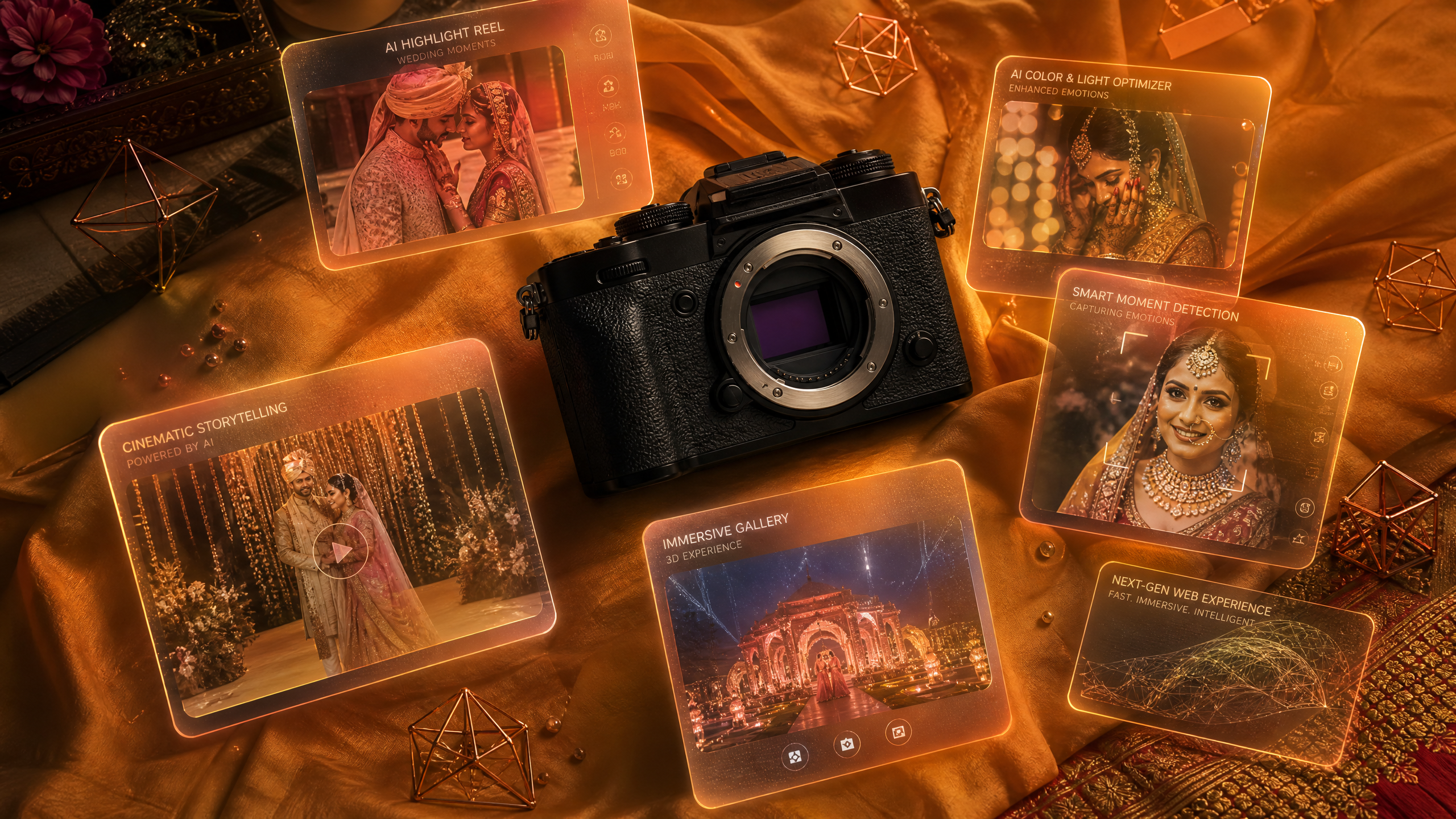
The traditional approach of uploading high-resolution JPEGs to a simple grid layout is becoming obsolete. Clients today expect a narrative experience that mirrors the quality of the photography itself. By leveraging AI-powered 3D design, photographers can now create seamless transitions and cinematic hero sections that guide the viewer through a wedding or corporate event story. This approach is not just about aesthetics; it is about building trust through superior presentation.

- Increased Engagement: Scroll-driven animations force the viewer to interact with the content, resulting in longer sessions.
- Brand Differentiation: 3D elements create a premium perception that justifies higher service fees.
- Mobile Optimization: Modern 3D builders ensure that complex visual experiences remain fast and responsive, which is vital given that 80% of Indian visitors access sites via mobile.
Why 3D AI Websites Are Essential for Photography Business Growth
For a professional photographer, a website is the primary sales engine. When a site feels outdated, clients unconsciously lower their expectations of the service quality. Integrating AI 3D elements allows photographers to showcase their work as a living, breathing portfolio rather than a static archive. This transformation is particularly powerful for those focusing on luxury weddings or large-scale corporate events where the stakes are high.
Creating Cinematic Client Galleries
Instead of simple "About Me" pages, photographers are using Draftly's advanced animation options to build interactive galleries that feel like a film trailer. These sections can trigger automatically as the user scrolls, highlighting specific details of a shot or the atmosphere of an event. This technique keeps the visitor focused on the content without the distraction of cluttered menus.
Automating Client Acquisition
Beyond aesthetics, these websites act as 24/7 sales assistants. By embedding booking calendars or WhatsApp integration for lead capture, photographers can convert casual browsers into inquiries without manual follow-ups. This is crucial for photographers who are often on-site and unable to respond to emails instantly.
Technical Advantages for Indian Photographers
One of the biggest concerns for Indian creators is page load speed, especially in regions with varying mobile data quality. Modern AI builders now handle the heavy lifting of optimizing 3D assets, ensuring that high-quality visual portfolios don't sacrifice speed. Maintaining a 90+ PageSpeed score is now achievable even with complex 3D animations, preventing the bounce rates that often plague image-heavy websites.
Building a Sustainable Digital Presence
Success in the photography industry requires more than a one-time website launch. It requires a long-term content strategy. Photographers should focus on updating their galleries regularly and implementing SEO best practices for 3D websites to ensure they rank for local search queries. By treating the website as a dynamic asset, photographers can build a sustainable pipeline of high-value clients.
- Define Your Niche: Use AI prompts to generate a website that reflects your specific style (e.g., candid, cinematic, or traditional).
- Optimize Images: Always compress your photos to maintain quality while ensuring fast load times.
- Add Trust Signals: Include clear pricing, client testimonials, and FAQ sections to reduce friction in the decision-making process.