Crafting Engaging Online Experiences for Indian Culinary Schools Using 3D AI Websites
In the competitive landscape of professional hospitality education, Indian culinary schools are increasingly adopting 3D AI websites to distinguish their curriculum and campus facilities from traditional, static brochures. With India’s edtech sector projected to reach a valuation of $10.4 billion by 2025, prospective students are no longer satisfied with flat images; they demand immersive, scroll-driven digital experiences that mirror the high-stakes environment of a professional kitchen. By integrating advanced visual storytelling, institutions can transform how they showcase their facilities, faculty, and career outcomes, ultimately increasing student enrollment and long-term brand loyalty.
Why 3D AI Websites Are Reshaping Culinary Education
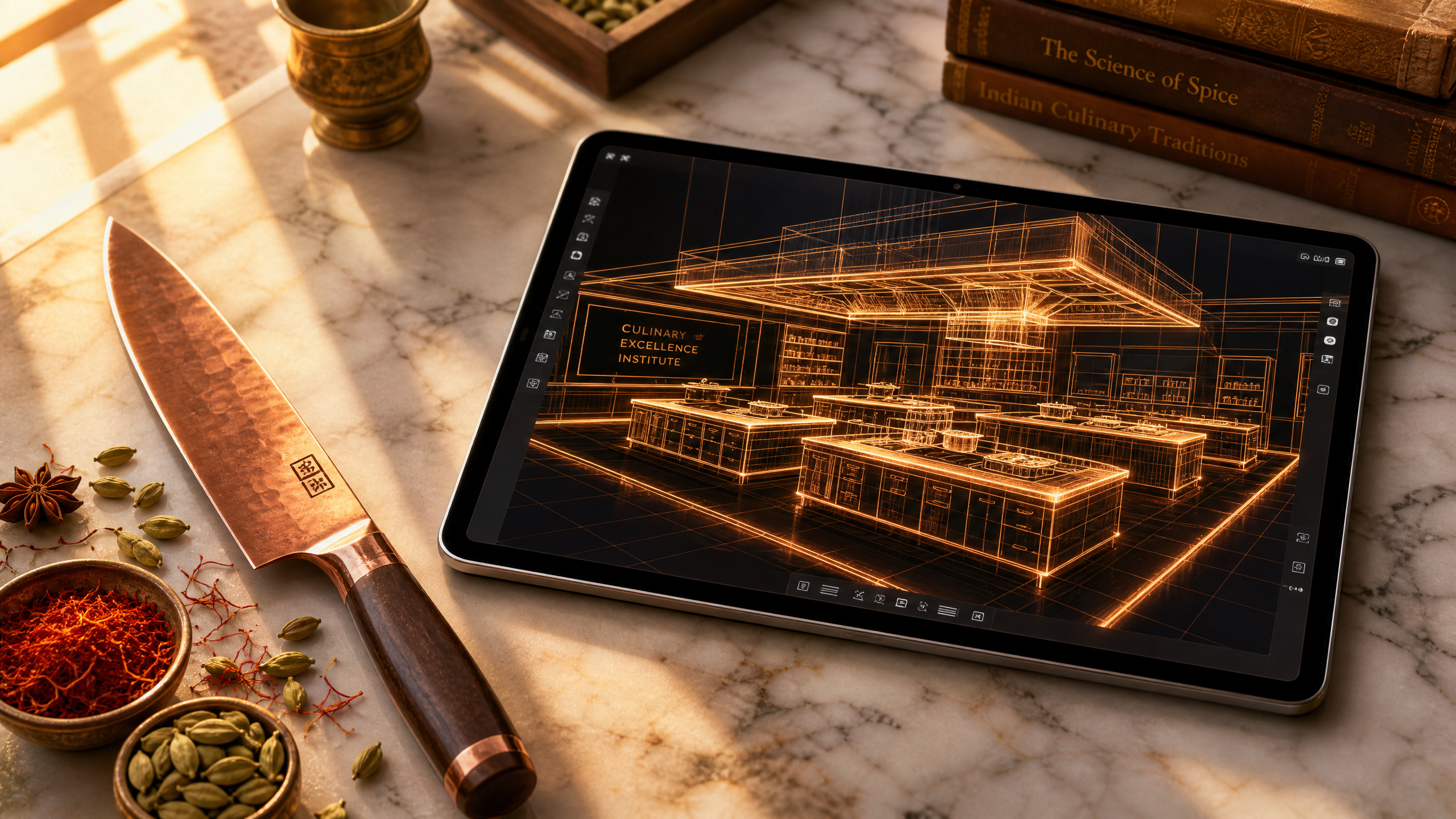
Traditional web design often fails to convey the sensory nature of culinary arts. A 3D AI-powered platform allows schools to present their infrastructure—from state-of-the-art baking labs to live-fire demonstration stations—in a dynamic, interactive format. When a prospective student scrolls through a website, they aren't just reading text; they are navigating a virtual tour that builds immediate trust and emotional resonance.

- Immersive Environment Visualization: Prospective students can explore kitchen layouts and equipment, which is critical for those evaluating technical infrastructure.
- Cinematic Storytelling: Using Draftly Video Generation capabilities, schools can present day-in-the-life sequences that capture the intensity of professional training.
- Reduced Bounce Rates: Interactive, motion-rich content keeps visitors on the page 40-60% longer, significantly increasing the likelihood of lead capture.
Building Trust Through Interactive Digital Portfolios
Trust is the primary currency for any private educational institution. Parents and students need proof of quality before committing to expensive, multi-year programs. A 3D website serves as a digital surrogate for a campus visit, allowing users to interact with success stories and alumni portfolios in a way that static pages cannot match. By focusing on 3D AI Website Features: A Guide for Indian UX/UI Designers, schools can create intuitive paths that guide students toward enrollment forms and informational webinars.
The Role of Motion and Transition in Culinary Showcasing
Design consistency is vital for maintaining a professional image. When customizing the look and feel, schools should ensure they follow best practices for How to Customise Fonts, Colors and Your Brand Kit in Draftly to ensure the site reflects their specific regional or global identity. Motion acts as a guide, leading the eye from a chef's technique to the final plated dish, reinforcing the school’s attention to detail.
- Hero Sections: Use high-definition 3D renders of signature dishes to grab immediate attention.
- Scroll-Driven Narratives: Implement Draftly Page Transitions and Section Animations: A Design Guide to make the transition between "Theory" and "Practical" sections feel seamless.
- Lead Capture: Embed interactive inquiry forms that appear naturally after a user has viewed a gallery of student achievements.
Optimizing for Visibility and Growth
Visibility in search results is essential for reaching students across Tier 1, 2, and 3 cities. Indian culinary schools must optimize their 3D sites not just for aesthetics, but for search engine discoverability. This involves technical SEO hygiene, such as optimizing image assets and ensuring that page load speeds remain high despite the intensive visual data.
- Structured Data Implementation: Using schema markup allows Google to present course details, duration, and reviews directly in search results.
- Localization: Creating multilingual content (e.g., Hindi and English) significantly expands the reach of the school, tapping into the 500 million+ vernacular internet users in India.
- Content Clusters: Develop How to Build a 6-Month Content Calendar for SEO to establish authority in niche culinary topics, such as "Modern Indian Cuisine" or "International Baking Standards."