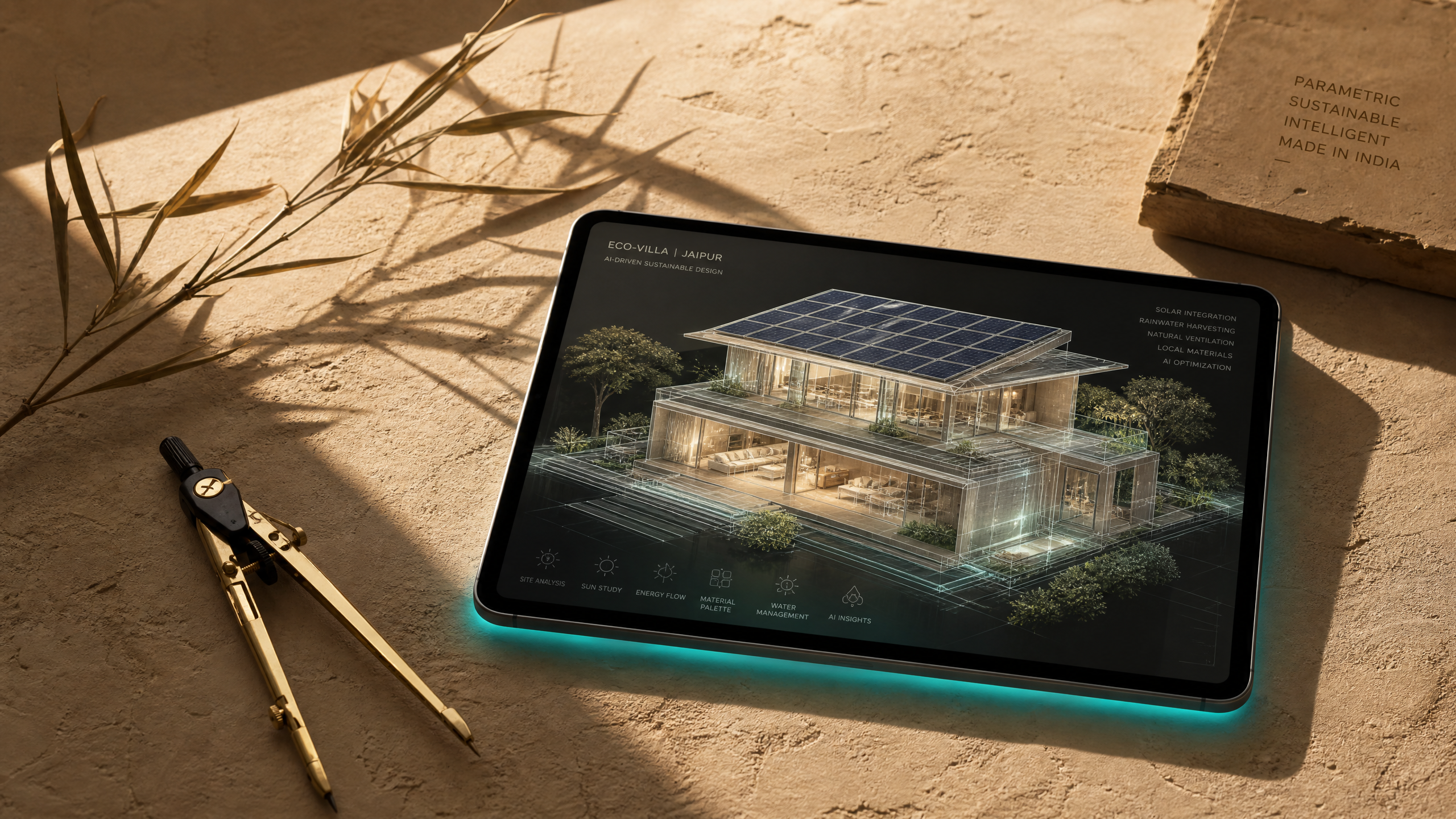
3D AI Websites for Indian Sustainable Home Builders: Key Features to Include
For Indian sustainable home builders, a website is no longer just a digital business card; it is a critical tool for demonstrating complex eco-friendly craftsmanship. Implementing 3D AI websites allows these builders to bridge the gap between architectural blueprints and the final, tangible home experience. With India's green building market projected to grow at a compound annual rate of nearly 10% through 2030, capturing client interest early through interactive, high-fidelity digital environments has become a strategic necessity.
Core Interactive Features for Eco-Conscious Clients
Modern homebuyers are increasingly looking for transparency in material sourcing and energy efficiency. A 3D AI-powered site allows you to move beyond static images, enabling potential clients to visualize the impact of their choices in real-time. This level of transparency is essential for building trust online with clients who value long-term sustainability.

- Interactive Material Swatches: Allow users to toggle between different eco-friendly materials like fly-ash bricks, bamboo flooring, or recycled steel to see the aesthetic and environmental impact instantly.
- Energy-Efficiency Simulations: Use 3D models to show how passive cooling designs, such as strategic window placement, reduce indoor temperatures in the Indian climate.
- Virtual Construction Walkthroughs: Provide a 3D tour that shows the structural integrity and hidden sustainable systems, like rainwater harvesting or solar panel integration, before ground is broken.
Building Trust Through Immersive Storytelling
Sustainable building in India often involves educating the client as much as constructing the home. When you use 3D AI elements, you simplify the explanation of complex technical systems. This approach is similar to how Indian architects win international clients by presenting projects that speak for themselves.
High-Impact Visual Storytelling
* Dynamic Site Maps: Instead of flat drawings, use a 3D site plan that shows how the home integrates with the local landscape, preserving existing trees and water bodies.
* Before-and-After Visualizations: Showcase the transformation of a barren plot into a lush, eco-friendly residence using scroll-driven animations that reveal the project stages.
To keep these complex scenes loading fast, you must optimise images for your site to ensure that even users on mobile data in Tier 2 or Tier 3 cities can experience your portfolio without lag.
Optimizing for Lead Generation and Conversions
Visuals are the hook, but your website's primary function is to secure qualified leads. A 3D AI website should include integrated contact forms that allow users to request specific project estimates directly from a virtual model. By embedding appointment booking tools directly into the 3D interface, you turn a passive visitor into an active prospect who is ready to discuss their dream home.
- Context-Aware CTAs: Place "Book a Consultation" buttons within specific 3D sections, such as the kitchen or living room view, to catch users when they are most engaged.
- Automated Lead Routing: Ensure your site captures client preferences—such as preferred building materials or budget range—during their 3D interaction, so you arrive at the first meeting fully prepared.
- Client Portal Integration: Give current clients access to a private, 3D view of their own ongoing project, keeping them updated on progress and building long-term loyalty.
Technical Considerations for Indian Builders
While the visual allure of 3D is undeniable, your website must remain accessible. Search engines prioritize performance; therefore, you should focus on improving core web vitals to ensure your site ranks well in local searches. For Indian builders, this means implementing lazy loading for 3D assets and ensuring your site is fully mobile-responsive, as most initial discovery happens on smartphones.
- SEO Metadata: Ensure every 3D scene has descriptive alt text and relevant local keywords to help your site appear in local "green builder" searches.
- Performance Benchmarking: Regularly test your site's load time, keeping it under the critical three-second threshold to prevent high bounce rates.
- Multi-Language Support: Consider building vernacular language websites to reach homeowners in regional markets who may prefer information in their native language.