How Architects in India Can Win International Clients with 3D Project Presentations
In a competitive global market, Indian architects are finding new ways to showcase their talent and secure international projects. 3D project presentations have emerged as a game-changer, allowing architects to present their ideas with unparalleled clarity, creativity, and impact.
Why 3D Presentations Are Essential for Architects
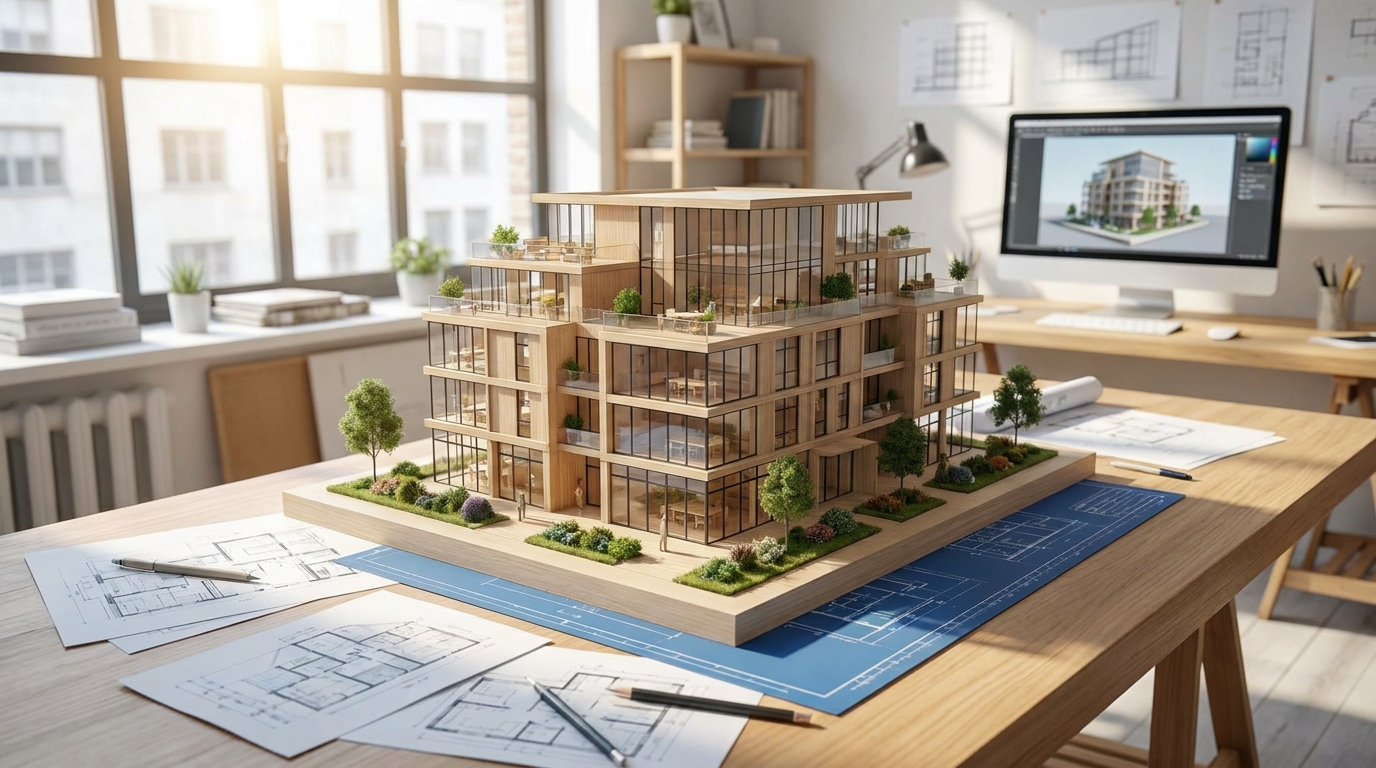
To appeal to international clients, architects need to convey not just ideas but immersive experiences. Traditional 2D blueprints and sketches often fall short in communicating the scale, aesthetics, and functionality of a project.
!how architects in india can win international clients with 3d project presentations, india
- 90% of buyers are more likely to engage with 3D visuals than static 2D renders, according to a 2023 study by Real Estate Tech Trends.
- Clients demand visual storytelling that mirrors real-world experiences.
- 3D presentations bridge the gap between concept and execution, helping clients visualize the end result with precision.
Key Benefits of 3D Presentations for Winning International Clients
1. Enhanced Client Understanding
When pitching to global clients, cultural and communication gaps can lead to misunderstandings. A 3D presentation visually aligns expectations.
- Clients can explore projects through 360-degree walkthroughs.
- Interactive elements, like clickable hotspots, explain design choices in real-time.
- Animated transitions highlight key design features, making the pitch more engaging.
2. Competitive Differentiation
International clients often evaluate portfolios from multiple architects. A cinematic, scroll-driven 3D presentation ensures your work stands out.
- Case Study: A Mumbai-based firm won a $3M eco-resort project in Bali by showcasing an interactive 3D walkthrough on their website.
- Features like scroll-driven animations (explained in our 3D Animation Guide) can increase client dwell time by 40%.
3. Clear Communication of Complex Ideas
Architectural concepts often involve intricate layers—material choices, sustainability factors, and structural efficiency. With 3D, you can:
- Use animated charts and graphs to clarify technical details.
- Showcase material textures using high-resolution renders.
- Present before-and-after transformations effectively.
Steps to Create Impactful 3D Presentations
Step 1: Use the Right Tools
Invest in tools that combine ease of use with high-quality output. Platforms like Draftly enable architects to create scroll-driven 3D websites in minutes, without needing advanced coding skills.
- Draftly’s AI ensures brand consistency by importing your fonts and colors automatically. Explore how to customize your brand kit.
- Generate cinematic hero sections with Draftly’s Motion Pass guide.
Step 2: Focus on Interactive Storytelling
A winning 3D presentation isn’t just about visuals—it’s about narrative. Structure your presentation like a story:
- Start with a powerful hook: Use scroll-triggered animations to introduce the project’s core vision.
- Highlight milestones: Showcase each phase of development (e.g., conceptualization, modeling, rendering).
- End with an immersive walkthrough: Allow clients to explore the space via a virtual tour.
Step 3: Optimize for Global Accessibility
International clients often access portfolios remotely, so your presentation must load quickly and adapt to varying internet speeds.
- Compress graphics using WebP formats for faster loading. Learn more about optimizing 3D website graphics.
- Ensure mobile responsiveness, as 80% of global users browse on mobile devices.
Trends Shaping 3D Presentations for Architects
AI-Powered Enhancements
AI tools now simplify 3D modeling and enhance visual quality. Draftly’s AI-generated content helps architects focus on creativity while automating repetitive design tasks. See our insights on AI-powered multilingual websites.
Green Architecture Visualizations
Sustainability is a top priority for global clients. Use 3D presentations to:
- Illustrate energy efficiency metrics.
- Showcase eco-friendly materials.
- Present potential ROI for green features.
Regional Adaptation
India’s diverse architecture styles—from traditional haveli designs to modern skyscrapers—resonate globally. Highlight how your designs adapt to regional cultures while meeting international standards.