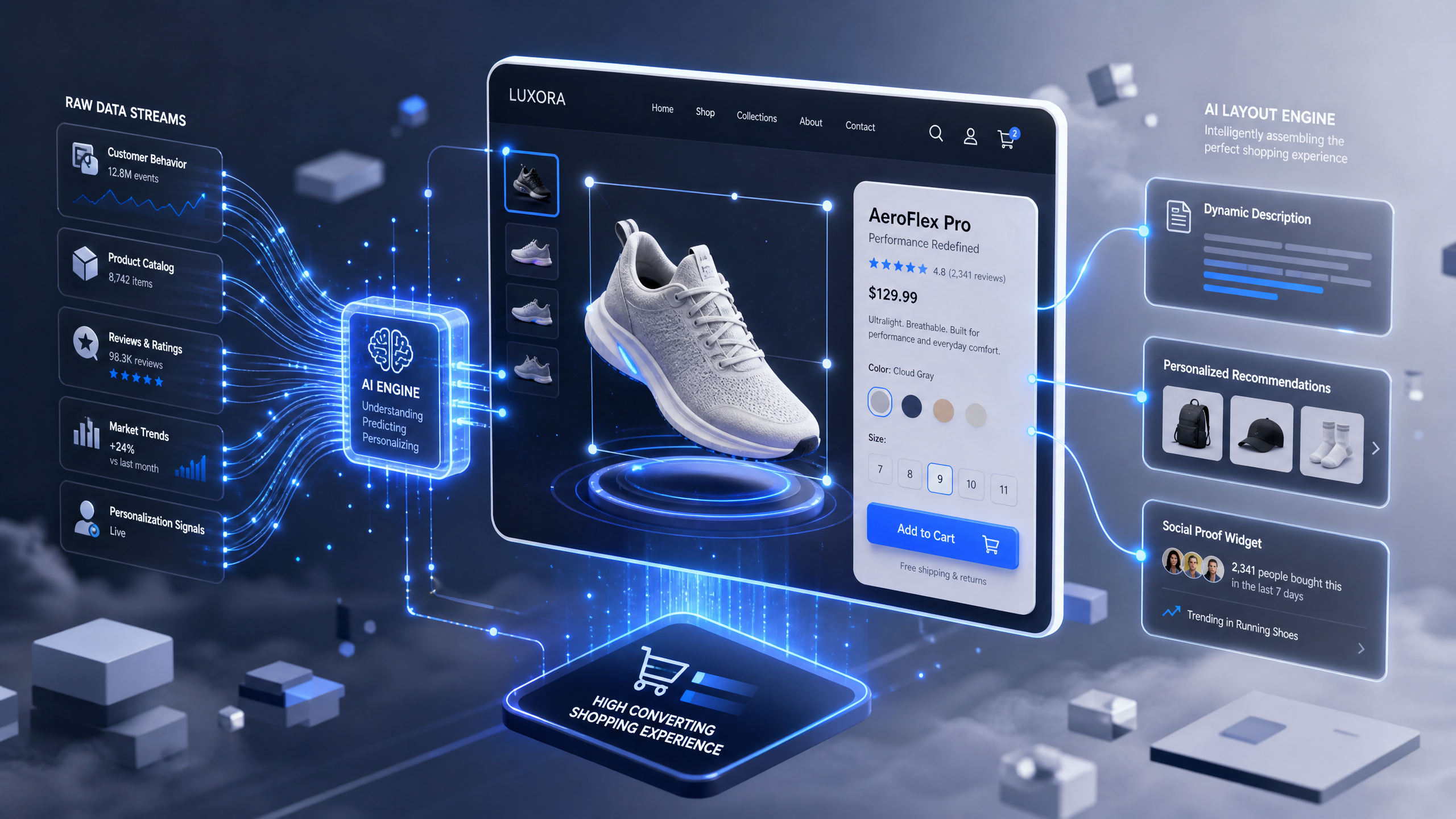
Step-by-Step: Build AI-Powered E-Commerce Product Pages That Convert
AI-powered e-commerce product pages can revolutionize how customers interact with your business, boosting conversions through personalization, dynamic visuals, and predictive recommendations. This guide walks you through creating effective AI-driven product pages using actionable steps.
Why AI Is Essential for Modern E-Commerce Pages
AI integration in product pages increases effectiveness by 20–40%, according to recent e-commerce studies. AI facilitates personalized user experiences, dynamic product recommendations, and real-time engagement analytics.
!stepbystep build aipowered ecommerce product pages that convert, tutorials
- AI can predict customer preferences based on browsing history.
- Chatbots powered by AI resolve queries instantly, increasing customer satisfaction.
- Dynamic 3D visuals capture attention and improve product understanding.
Step 1: Design a Cinematic Layout
The foundation of high-converting e-commerce pages is a visually engaging design. AI tools like Draftly make it easy to create scroll-driven, 3D layouts that feel cinematic.
How to Design for Conversions
- Choose a clean, minimal layout with intuitive navigation.
- Incorporate 3D product visuals that users can rotate and zoom into.
- Highlight key benefits with bold, scannable headlines.
Step 2: Add Personalized Product Recommendations
Personalization drives conversions by making users feel understood. AI algorithms analyze customer data to suggest products tailored to their preferences.
- Use predictive analytics to recommend complementary items.
- Leverage browsing history to upsell higher-value products.
- Enable cross-category suggestions for broader exploration.
Tools for Personalization
- AI recommendation engines: Use tools like Google AI Recommendations API.
- Behavioral tracking: Integrate platforms like Segment to collect user insights.
- Dynamic content blocks: Tailor headlines and CTAs based on user demographics.
Step 3: Optimize for Mobile and Speed
Over 72% of global e-commerce traffic comes from mobile users, and page load speeds directly impact bounce rates. AI can streamline mobile optimizations and improve performance.
- Enable responsive design that adapts to all screen sizes.
- Use AI-driven lazy loading for faster image rendering.
- Compress 3D assets without losing quality.
Step 4: Implement AI Chatbots for Customer Support
AI chatbots are a powerful tool for addressing customer queries in real time, reducing drop-offs and boosting conversions.
Best Practices for AI Chatbots
- Design conversational workflows to guide users to products.
- Integrate FAQs directly into chatbot responses.
- Offer multilingual support for diverse customer bases.
Step 5: Leverage Real-Time Analytics for Optimization
AI-powered analytics tools can detect patterns in customer behavior and identify opportunities to refine your product page.
- Monitor heatmaps to see where users focus their attention.
- Analyze drop-off points to improve bottlenecks.
- Test dynamic pricing models driven by AI insights.