SEO-Friendly Blog Structures for AI Websites: A Deep Dive
Crafting an SEO-friendly blog structure for AI websites requires a blend of strategy, data optimization, and user-centric design. Done right, your blog can rank higher on search engines and drive meaningful engagement. Below is a step-by-step guide to building a structure that works seamlessly with AI-generated content.
Why Blog Structure Matters for AI Websites
A well-thought-out blog structure helps search engines identify and rank your content while improving the user experience. For AI websites, this is doubly important due to their dynamic content generation.
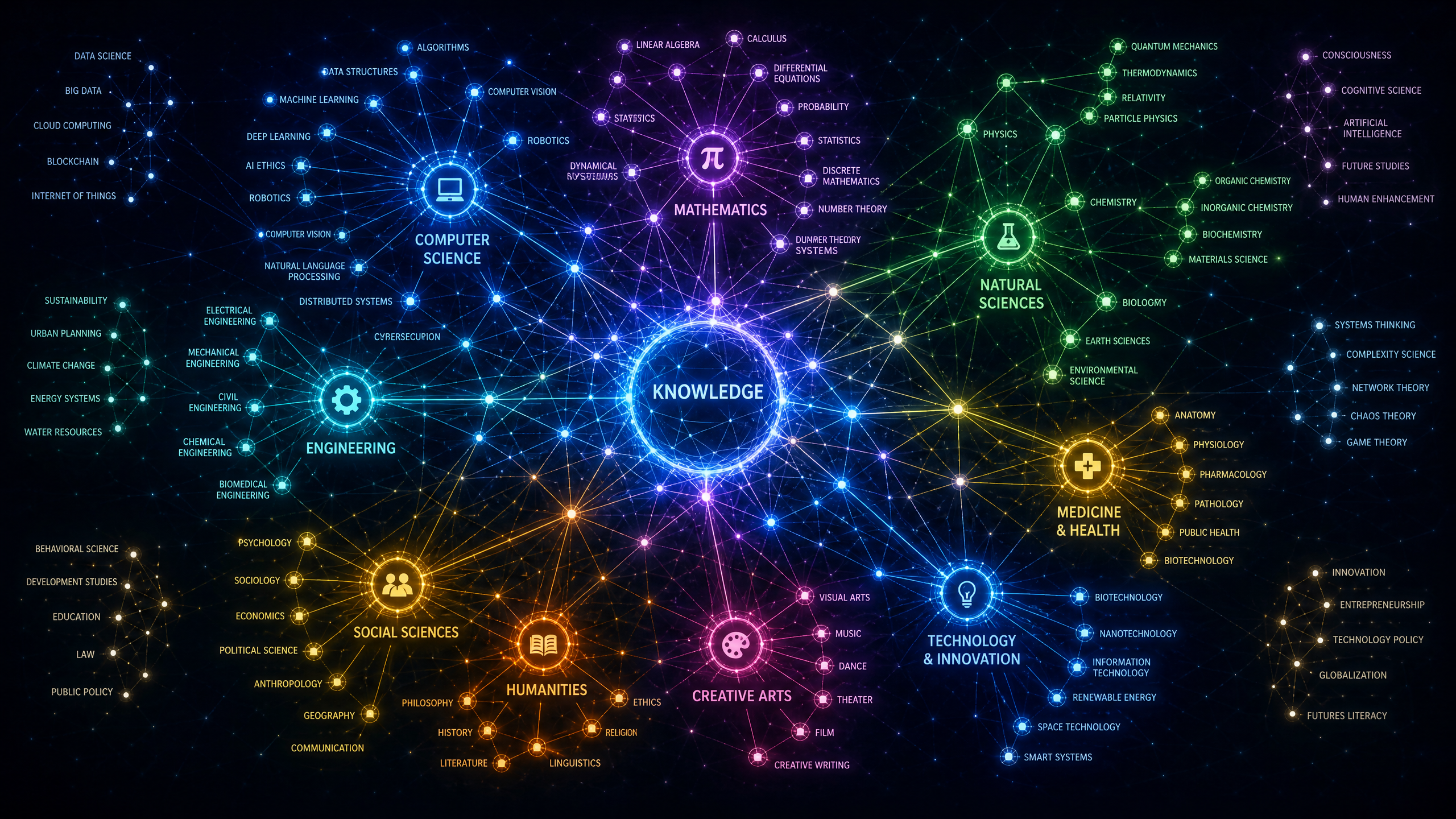
!seofriendly blog structures for ai websites a deep dive, seo
- Search engines prioritize clear headings and logical flow, which boosts crawlability.
- Structured content increases your chances of winning featured snippets on Google.
- Proper structure ensures topics are grouped logically, supporting content silos.
Step 1: Start with a Topic Cluster Strategy
Topic clusters organize your blog into interconnected sections, making it easier for search engines to understand your site’s hierarchy.
- Identify a pillar topic (e.g., “SEO for AI Websites”).
- Create 5-10 subtopics that link back to the pillar. These could include posts like How Google Actually Ranks Websites in 2026.
- Use internal links to connect subtopics and the pillar page logically.
Tips for Topic Cluster Optimization
- Use long-tail keywords for subtopics to target specific queries.
- Ensure each blog post answers a unique search intent to avoid keyword cannibalization.
- Add schema markup for better crawlability.
Step 2: Design a Scrollable, Cinematic Layout
AI websites thrive on visual storytelling, making scroll-driven layouts perfect for engaging users. However, you must balance visual appeal with SEO principles.
- Use H1, H2, and H3 tags sequentially to maintain content hierarchy.
- Break down text with multimedia elements but ensure image file names and alt text align with Image SEO best practices.
- Optimize for Core Web Vitals by compressing visuals without losing quality.
Example Layout
- Use a sticky header for navigation.
- Integrate scroll-triggered animations sparingly to enhance storytelling.
- Place CTAs strategically without overwhelming the user.
Step 3: Leverage AI Content for SEO
AI-generated content can rank well if optimized properly. Here’s how to structure AI blogs for search visibility:
- Keyword Placement: Ensure keywords are in the first 100 words, headings, and meta tags.
- Meta Tags: Use tools like Draftly’s AI for generating SEO meta descriptions.
- Dynamic Updates: Refresh content periodically to maintain content freshness.
Common Pitfalls
- Avoid generic AI-generated intros; personalize with data points.
- Ensure all AI content passes plagiarism checks for credibility.
Step 4: Build Internal Link Structures
Internal linking improves SEO while guiding users through your blog seamlessly. For AI websites:
- Link related blogs using topic clusters (e.g., Building Topic Clusters).
- Use anchor text strategies to signal relevance to search engines.
- Create breadcrumb navigation for better user experience and indexing.
Step 5: Optimize for Featured Snippets
Featured snippets drive zero-click traffic and establish authority. Here’s how to structure posts to win them:
- Use numbered lists or tables for step-by-step instructions.
- Place answers to common questions in the opening paragraphs.
- Add schema markup to highlight snippet-worthy sections.
Example
If your blog is about “How AI Websites Rank,” include concise answers like:
- AI websites rank higher when structured with clear headings.
- Schema markup enhances visibility on SERPs.
- Internal linking supports crawlability.