AI Meta Description Generation: Does It Actually Boost SEO?
Meta descriptions are often seen as a small detail in the vast world of SEO, yet they play a crucial role in attracting clicks from search engine results pages (SERPs). With the rise of artificial intelligence, many marketers are turning to AI meta description generation tools to streamline this task. The core question, however, remains: does this automation actually help your SEO efforts, or is it merely a time-saving shortcut without real impact?
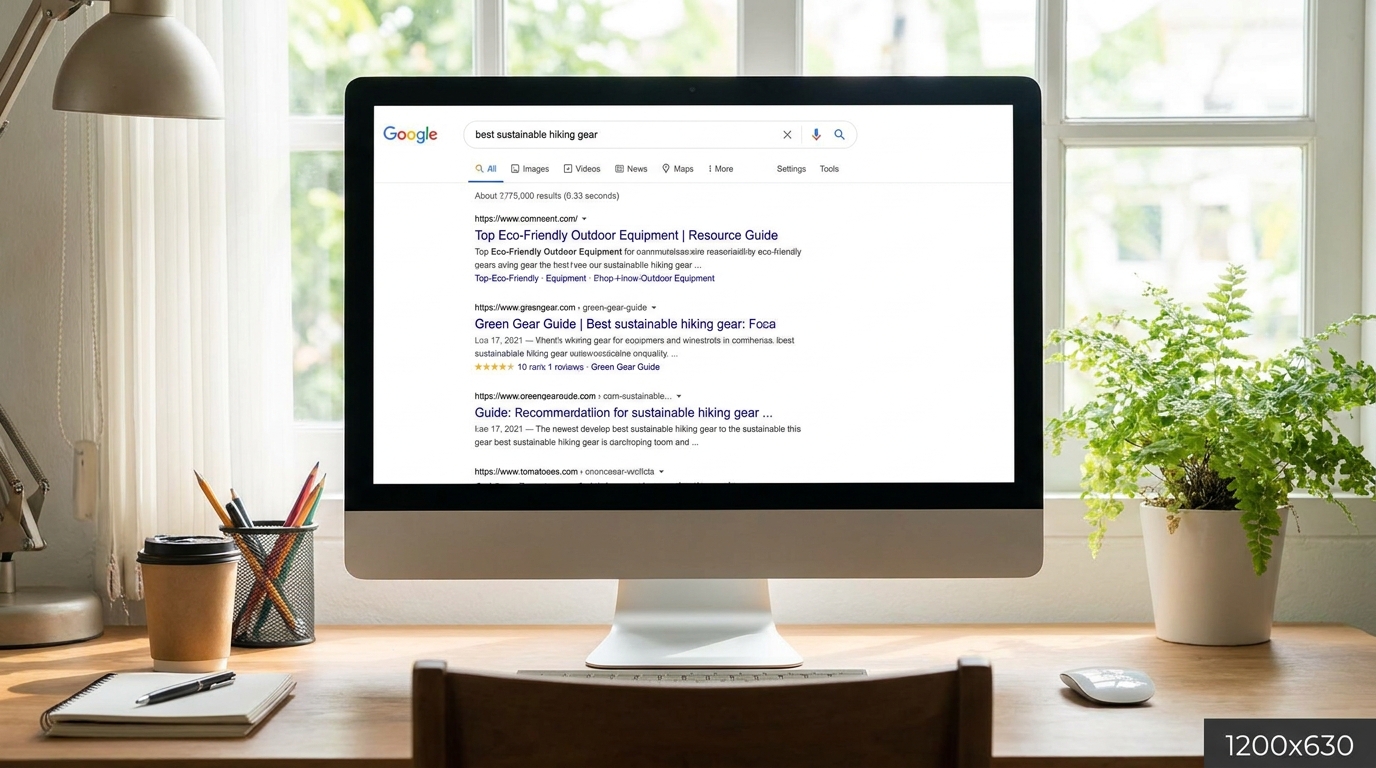
AI meta description generation refers to the process where artificial intelligence algorithms create concise summaries of a webpage's content, intended for display as a search snippet on Google and other search engines. These AI tools leverage natural language processing (NLP) to understand content and generate descriptive, often keyword-rich, text. While Google often rewrites meta descriptions—around 60% of the time according to some studies—a compelling, user-focused meta description still significantly influences whether a user clicks on your result. A study by Advanced Web Ranking found that pages with well-optimized meta descriptions can see a click-through rate (CTR) increase of 5-10% compared to those with generic or missing descriptions.
The Promise of AI Meta Description Generation
Automating content creation, including meta descriptions, offers clear advantages, primarily in speed and scale. For websites with hundreds or thousands of pages, manual meta description optimization is a colossal task. This is where AI truly shines.
!ai meta description generation does it actually boost seo, seo
Efficiency and Scale
One of the most compelling arguments for using AI for meta description generation is the sheer efficiency it brings. Imagine manually crafting unique, compelling meta descriptions for an e-commerce site with 500 product pages or a large blog with years of archives. This task can easily consume dozens of hours. AI can generate these same 500 descriptions in a fraction of the time, often within minutes.
* Time Savings: AI tools can reduce the time spent on meta description writing by up to 80-90%. This allows SEO specialists and content creators to focus on higher-value tasks like SEO competitor analysis: find the gaps you can win or comprehensive content strategy.
* Scalability: For large websites or those undergoing significant content migration, AI enables rapid creation of meta descriptions for entire sections or categories, ensuring no page is left unoptimized.
* Consistency: AI can maintain a consistent tone, style, and keyword focus across a large volume of meta descriptions, which can be challenging for human writers over time.
Keyword Integration and Relevance
Modern AI models are sophisticated enough to identify primary and secondary keywords within your page content. They can then weave these into the meta description in a natural, readable way. This is crucial because, while meta descriptions aren't a direct ranking factor, their ability to signal relevance to users (and thus drive clicks) indirectly impacts rankings.
- Semantic Understanding: Advanced AI understands the semantic context of keywords, helping it create descriptions that are not just keyword-stuffed but genuinely relevant to the search query.
- Dynamic Adaptability: Some AI tools can even adapt descriptions based on specific search queries or user segments, potentially serving more personalized snippets (though this is less common for standard meta descriptions). This feature is particularly useful for optimizing for nuanced user intent.
- Best Practice Adherence: AI tools are often programmed with character limits (e.g., ~155-160 characters for desktop, ~120 for mobile) and other best practices, ensuring generated descriptions are within optimal length and format. For more on general SEO best practices, consult our guide on how Google actually ranks websites in 2026.
The Nuances of AI Meta Description Generation: Where It Falls Short
While AI offers powerful advantages, relying solely on automated meta description generation without human oversight can lead to suboptimal results and even harm your overall SEO strategy. The human touch remains irreplaceable for true impact.
Lack of Empathy and Nuance
AI models, despite their advancements, still struggle with genuine empathy, creativity, and understanding subtle human nuances. A meta description isn't just a summary; it's an advertisement for your content, designed to evoke curiosity or address a pain point.
* Emotional Connection: AI-generated descriptions might be factual and keyword-rich, but they often lack the emotional hook or unique selling proposition that a human copywriter can infuse. This can lead to lower CTRs, as users may find them generic.
* Brand Voice: Maintaining a consistent brand voice across all your meta descriptions is vital for brand recognition and trust. AI might struggle to perfectly replicate specific brand tonality, especially for brands with a distinct or quirky voice. Customizing your AI-generated content is key to aligning with your brand kit.
* Understanding Implied Intent: While AI is good at explicit keywords, it can miss implied user intent or emerging trends that a human, with broader contextual understanding, would quickly grasp. For instance, a human might infer a user's frustration from a query and craft a description that offers a direct solution, something AI might overlook.
Google's Dynamic Snippets
It's important to remember that Google frequently re-writes meta descriptions, often pulling relevant snippets directly from your page content or even using structured data to create rich results. This means that even a perfectly crafted meta description might not always appear as you intended.
However, this doesn't negate the importance of providing a good meta description. Google's algorithms are more likely to use your provided description if it accurately and compellingly summarizes the page. When Google does rewrite, it's often because your provided meta description isn't deemed optimal for the specific search query. A strong, human-edited meta description acts as a guideline for Google, increasing the chances of a favorable snippet.
Best Practices for Using AI in Meta Description Creation
The most effective approach to meta description optimization leverages the strengths of both AI and human intelligence. AI can handle the heavy lifting, while human editors refine and inject the critical elements that drive engagement.
- Generate in Bulk, Edit with Precision: Use AI tools to generate initial drafts for a large number of pages. Then, have a human editor review and refine these, focusing on the most critical pages first. Prioritize high-traffic pages, product pages, or service pages for human review.
- Inject Your Brand Voice: After AI generates the descriptions, manually adjust them to reflect your unique brand personality and tone. This ensures consistency and helps build brand recognition. Our guide on how to write SEO meta tags for AI-generated websites offers more specific advice on this.
- Focus on User Intent: Human editors are better equipped to understand the why behind a search query. Review AI-generated descriptions to ensure they directly address user intent and offer a clear value proposition, encouraging clicks.
- A/B Test and Monitor: Don't set and forget. Regularly A/B test different meta descriptions (both AI-generated and human-edited) to see what resonates best with your audience. Monitor CTR in Google Search Console and analytics tools to identify winning variations.
- Combine with Schema Markup: Enhance your SERP presence further by integrating relevant schema markup. While not directly part of the meta description, schema can create rich snippets that complement your description and stand out more effectively. Tools like Draftly often provide an SEO panel guide to optimise every page for search, including schema options.
The Verdict: AI as an Assistant, Not a Replacement
Ultimately, AI meta description generation is a powerful assistant, not a complete replacement for human expertise in SEO. It excels at scale, efficiency, and foundational keyword integration. For large websites, it's an invaluable tool for ensuring every page has a baseline optimized meta description, saving countless hours.
However, for truly impactful meta descriptions—those that capture attention, convey unique value, and drive higher click-through rates—human creativity, empathy, and strategic thinking remain essential. The ideal workflow involves leveraging AI to create initial drafts and then refining them with a human touch to ensure they are compelling, on-brand, and deeply aligned with user intent. This hybrid approach allows businesses to scale their SEO efforts without sacrificing the quality and effectiveness that drive real results.
By embracing AI as a co-pilot rather than an autopilot, you can significantly enhance your meta description optimization process, leading to better SERP visibility and increased organic traffic. The goal isn't just to generate descriptions, but to generate clicks.