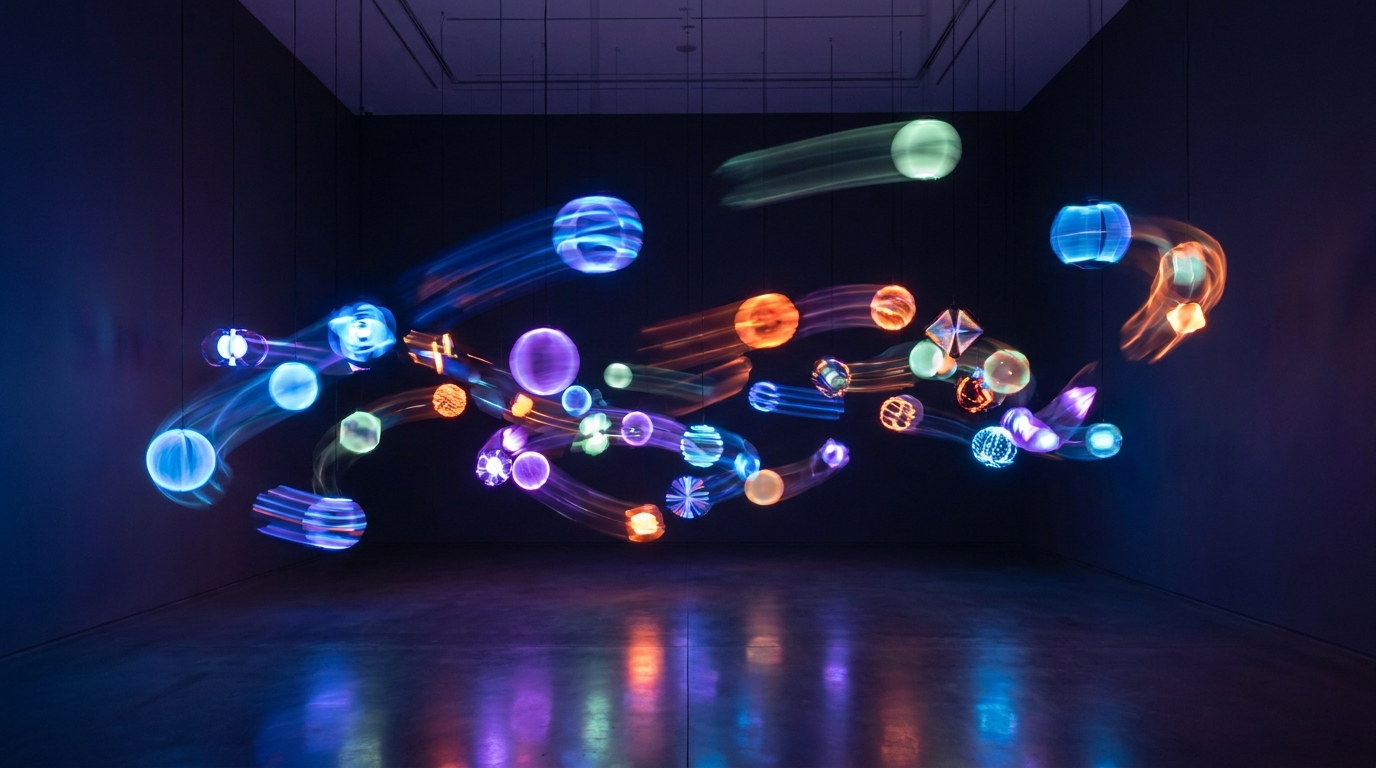
The Psychology of User Engagement in 3D Website Design
Why do some websites captivate users while others fail to make an impression? The secret often lies not just in aesthetics but in understanding the psychology of user engagement, especially in 3D website design. By leveraging principles like visual hierarchy, motion dynamics, and cognitive load, you can create an immersive experience that leads to higher conversions.
Why 3D Design Enhances User Engagement
3D website design taps into our natural preference for interactivity and depth. Unlike static designs, 3D elements trigger curiosity and hold attention longer. According to a 2023 report by Adobe, websites with interactive 3D elements see a 25% increase in average session duration compared to flat designs.
!the psychology of user engagement in 3d website design, product
- Human brains are wired for visuals: Over 90% of information transmitted to the brain is visual, and adding depth via 3D enhances realism and engagement.
- Interactive elements boost retention: Users are 70% more likely to remember a website with interactive features like scroll-triggered animations.
- Emotional connection drives conversions: Dynamic 3D designs create a cinematic experience, tapping into emotions and making users feel involved.
Principles of Psychology in 3D Website Design
Designing a high-converting 3D website isn’t just about adding depth—it’s about understanding how users think and behave. Here are the key psychological principles to integrate:
1. Visual Hierarchy
Users need clear cues to navigate your site effortlessly. Visual hierarchy ensures that their attention is naturally drawn to the most important elements.
- Use motion to highlight calls-to-action (CTAs). For instance, a 3D button that subtly pulses can increase click-through rates by up to 20%.
- Utilize color contrast to define focal points. Bright, warm tones stand out against muted backgrounds.
- Organize content blocks effectively. Refer to Draftly's Section Library Guide to choose layout options that enhance scannability.
2. Cognitive Load
When users are overwhelmed by too much information or animation, they bounce. Cognitive load theory emphasizes simplicity.
- Limit simultaneous animations to two or three elements per page.
- Use scroll-driven interactions sparingly to guide, not distract, users.
- Optimize load times, as 53% of users abandon sites that take longer than 3 seconds to load. Draftly Site Speed Optimization can help you achieve a 90+ PageSpeed score.
3. Emotional Triggers
Emotions play a significant role in decision-making. 3D designs can evoke excitement, curiosity, or trust when done right.
- Incorporate storytelling into design. For example, a wellness retreat site can use a scroll-driven 3D story of a visitor's journey to relaxation.
- Add testimonials with dynamic animations, as shown in How 3D Testimonial Pages Improve Trust for Indian Coaches.
Practical Tips to Optimize for Conversions
Once the psychological foundation is set, it’s time to focus on optimizing your 3D website for conversions. Here’s how:
Use Micro-Interactions
Micro-interactions—small, subtle animations—create a sense of feedback and engagement.
- Add hover effects to buttons or images to signal interactivity.
- Use progress indicators during scroll animations to guide users.
- Enhance forms with micro-feedback (e.g., checkmarks for completed fields) to reduce friction. Draftly Forms makes it easy to implement these features.
Implement Personalized Experiences
Personalization increases relevance and drives action. AI-driven 3D websites can adapt content based on user behavior:
- Serve dynamic CTAs based on user preferences.
- Customize product displays using interactive 3D models, as discussed in Exploring AI Features for High-Converting E-Commerce Product Pages.
- Use geolocation features to tailor experiences, especially for industries like tourism or retail.
Mobile-First Design
With over 60% of web traffic coming from mobile devices, a 3D website must perform seamlessly on smaller screens.
- Optimize touch interactions, such as swipe gestures for 3D carousels.
- Test responsiveness across devices. Learn how in Testing Your Draftly Site on Mobile Before Launch.
Examples of Successful 3D Websites
Case Study: Wellness Retreats
One Indian wellness brand used Draftly to create a scroll-driven 3D landing page that visualized a guest’s spa experience. The page featured:
- A cinematic intro video generated using Draftly Video Generation.
- Interactive booking forms with real-time availability.
- A 34% increase in bookings within two months.
Case Study: E-Commerce
An Indian jewelry retailer added 3D product previews to its catalog. Customers could rotate items and view intricate details, leading to:
- A 20% reduction in product returns.
- A 15% increase in average order value.