Designing AI-Driven Virtual Museums for Independent Indian Artists
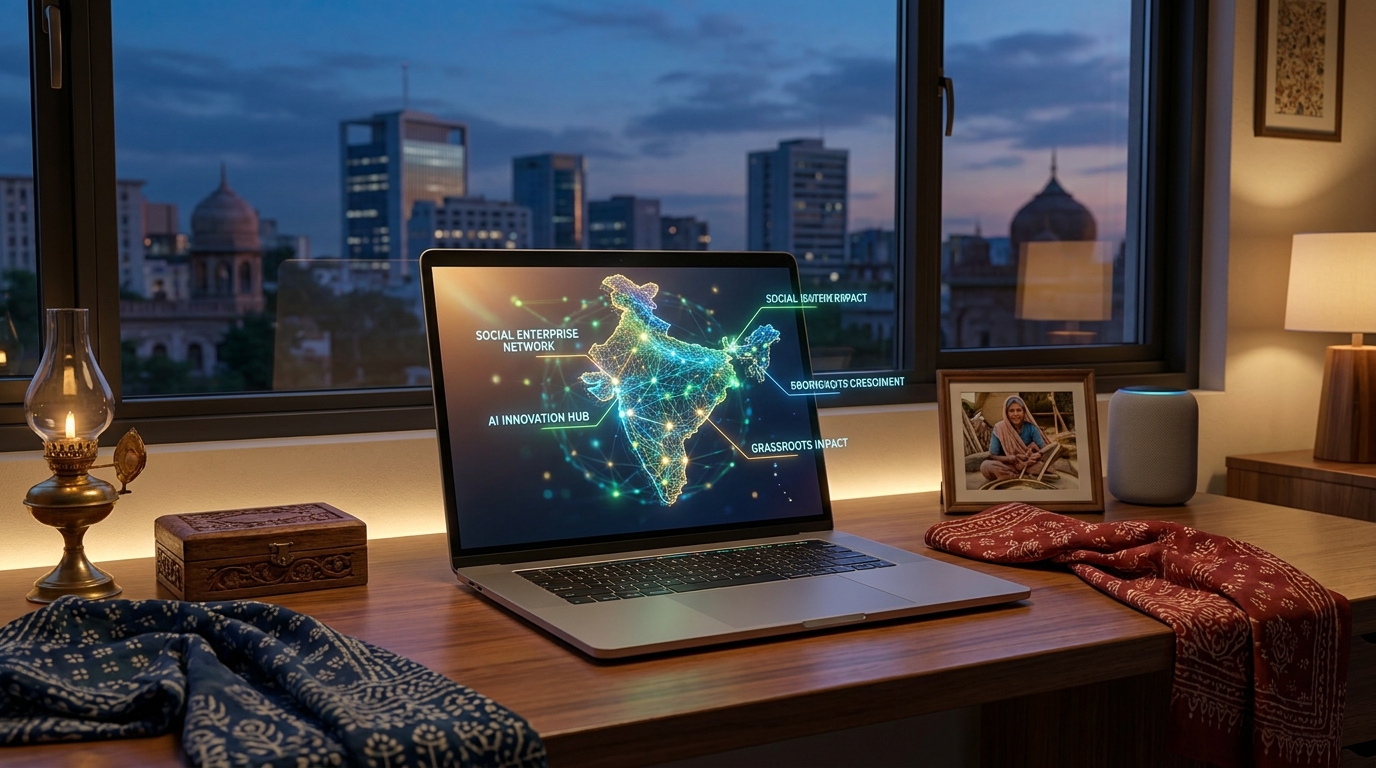
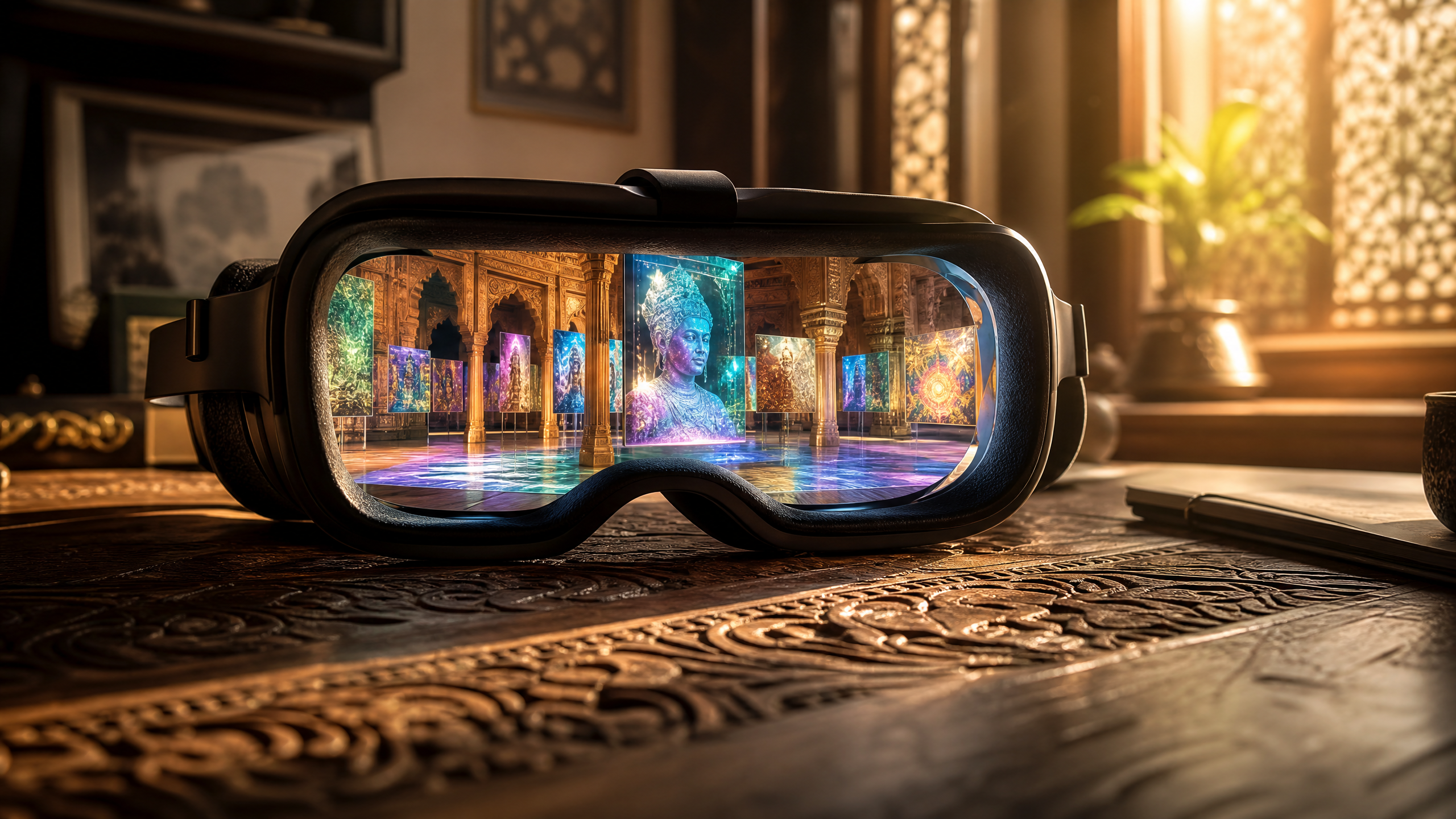
Independent Indian artists are increasingly turning to virtual spaces to bridge the gap between regional studios and global art markets. A virtual museum is an immersive, web-based environment that allows creators to display artwork in a 3D gallery setting, offering collectors a cinematic, scroll-driven experience that static portfolios simply cannot match. By leveraging AI-built infrastructure, artists can now curate interactive exhibits that operate 24/7, effectively democratizing access to high-end art curation.
The Shift Toward AI-Driven Virtual Museums
Traditional art galleries often require significant capital for physical space, insurance, and logistics. For many creators, this creates a barrier to entry that stifles growth. In contrast, building a digital exhibition allows for a borderless reach, with 68% of art collectors stating they are now comfortable purchasing high-value pieces via immersive online walkthroughs. Using tools like Draftly's 3D builder, artists can translate their physical portfolio into a digital narrative that guides the visitor through their stylistic evolution.
!designing aidriven virtual museums for independent indian artists, industry
- Lowers overhead costs by eliminating physical rental fees
- Enables 24/7 global accessibility for diverse time zones
- Provides built-in analytics to understand which art pieces capture the most interest
Designing Your Virtual Space with AI
To build a virtual museum that resonates, the design must prioritize storytelling. Rather than just uploading images, you should curate a flow. Draftly Page Transitions and Section Animations are essential here, as they dictate how a visitor moves through your gallery. When the transition between a sculpture and a painting feels intentional, the viewer stays engaged for longer periods, increasing the likelihood of an inquiry or sale.
Mapping the Visitor Journey
- Establish a thematic anchor: Define a narrative arc for your exhibition, such as "The Evolution of Traditional Patterns in Modern Art."
- Curate in clusters: Group related works to create visual cohesion, using AI to generate ambient lighting that matches the mood of each collection.
- Implement clear wayfinding: Use scrollytelling to ensure the user knows exactly where to look next without needing complex navigation menus.
Enhancing Credibility for Independent Creators
Building trust is the biggest hurdle for independent artists operating outside the traditional gallery system. You must prove your expertise and authenticity to potential buyers. How Google Actually Ranks Websites in 2026 suggests that sites with high-quality, original visuals and clear author authority rank significantly better. By integrating high-resolution photography and detailed background stories for each piece, you demonstrate that your virtual museum is a serious professional endeavor.
- Use high-fidelity images to highlight texture and technique
- Include a 'Creator's Statement' section to provide context and authority
- Link your social proof, such as past exhibitions or press mentions, directly into the 3D space
Scaling Your Reach to Global Markets
Once your virtual museum is live, you need to ensure it reaches the right audience. How to Build a 6-Month Content Calendar for SEO is a vital step for any artist looking to maintain visibility. By creating content around your artistic process, you generate the search traffic necessary to drive visitors to your virtual space. Remember, your website is not just a landing page; it is a living gallery that should be updated as your portfolio grows.
Practical Steps for Launch
- Sync your virtual museum with your social media feeds to keep the "museum" feeling current.
- Use AI-generated descriptions to help with SEO without sacrificing your unique voice.
- Ensure your site is optimized for mobile, as over 70% of art discovery currently happens on smartphones.