Draftly AI: Building Seamless Multi-Language Websites for Indian NGOs
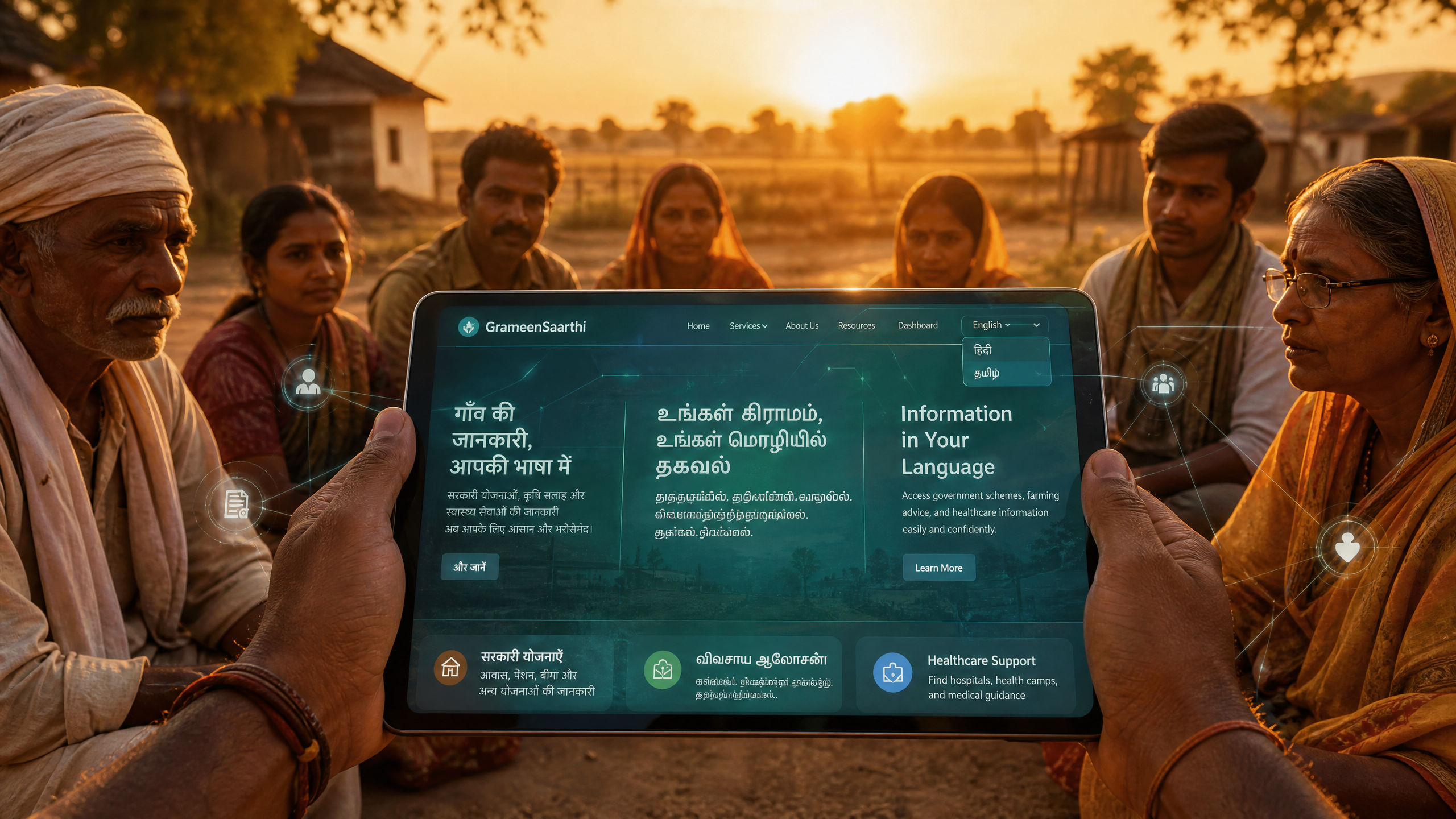
Indian NGOs operate in a complex linguistic environment where effective communication defines the success of social impact. Building a seamless multi-language website is no longer a luxury; it is a necessity to bridge the gap between grassroots efforts and global funding. With Draftly AI, you can transform a single prompt into a cinematic, 3D experience that communicates your mission across multiple languages, ensuring your message resonates regardless of the reader's native tongue.
Why Multi-Language Support Matters for Indian NGOs
Data shows that websites offering content in a user's native language see a 150% increase in engagement. For an NGO, this is not just about vanity metrics; it is about transparency. When you provide impact reports in both English and local vernaculars, you build trust with stakeholders at every level. If you are struggling with the basics of site structure, check out our guide on How to Customise Fonts, Colors and Your Brand Kit in Draftly to ensure your brand remains consistent across all language versions.

- Improved accessibility for rural donors and beneficiaries
- Higher trust scores through local language transparency
- Better reach for regional fundraising campaigns
- Enhanced SEO performance by targeting local search queries
Step-by-Step: Building Your Multi-Language NGO Website
Creating a professional site that manages multiple languages does not require a team of expensive developers. Follow these steps to build your Draftly AI site:
- Define Your Primary Mission: Start by entering a prompt into Draftly that defines your NGO's core focus. Mention the specific regions you serve to help the AI tailor the initial design.
- Select Your Languages: Use the Draftly dashboard to toggle on secondary languages. The system automatically handles the structural placeholders for your translated content.
- Leverage the Section Library: Use the Draftly Section Library: Every Block and When to Use It to drag and drop donation modules, impact counters, and team bios that look great in any language.
- Apply Localized Imagery: Use our built-in tools to refine your visual narrative. If you need help with visuals, read Using AI Image Generation in Draftly: Get the Best Results to create imagery that reflects local cultural contexts.
- Publish and Iterate: Once live, monitor your traffic. You can learn more about how to evaluate your site's success in A Deep Dive into 3D AI Website Analytics Tools for Data-driven Decisions.
Optimizing for Impact and Trust
Trust is the currency of the non-profit sector. In India, where digital literacy varies, your website must be intuitive. A 3D, scroll-driven website reduces cognitive load by guiding users through your story rather than forcing them to navigate complex menus. By using immersive storytelling, you can showcase real-world change more effectively than static text.
Key Design Considerations for Non-Profits
- Clear Calls to Action (CTAs): Ensure your 'Donate' or 'Volunteer' buttons are prominent in both English and the secondary language.
- Mobile Responsiveness: Over 90% of your audience in smaller Indian cities will access your site via mobile devices. Draftly's responsive engine handles this automatically.
- Data Transparency: Use 3D charts to visualize how funds are allocated, making your impact tangible.
SEO for Multi-Language NGO Platforms
If you want your NGO to be found by international and local donors alike, you must master search engine optimization. Start by developing a long-term plan; our guide on How to Build a 6-Month Content Calendar for SEO is a great place to start. Remember that Google prioritizes sites that offer relevant, localized content. By serving content in Hindi, Tamil, or Bengali alongside English, you capture a wider net of search intent.