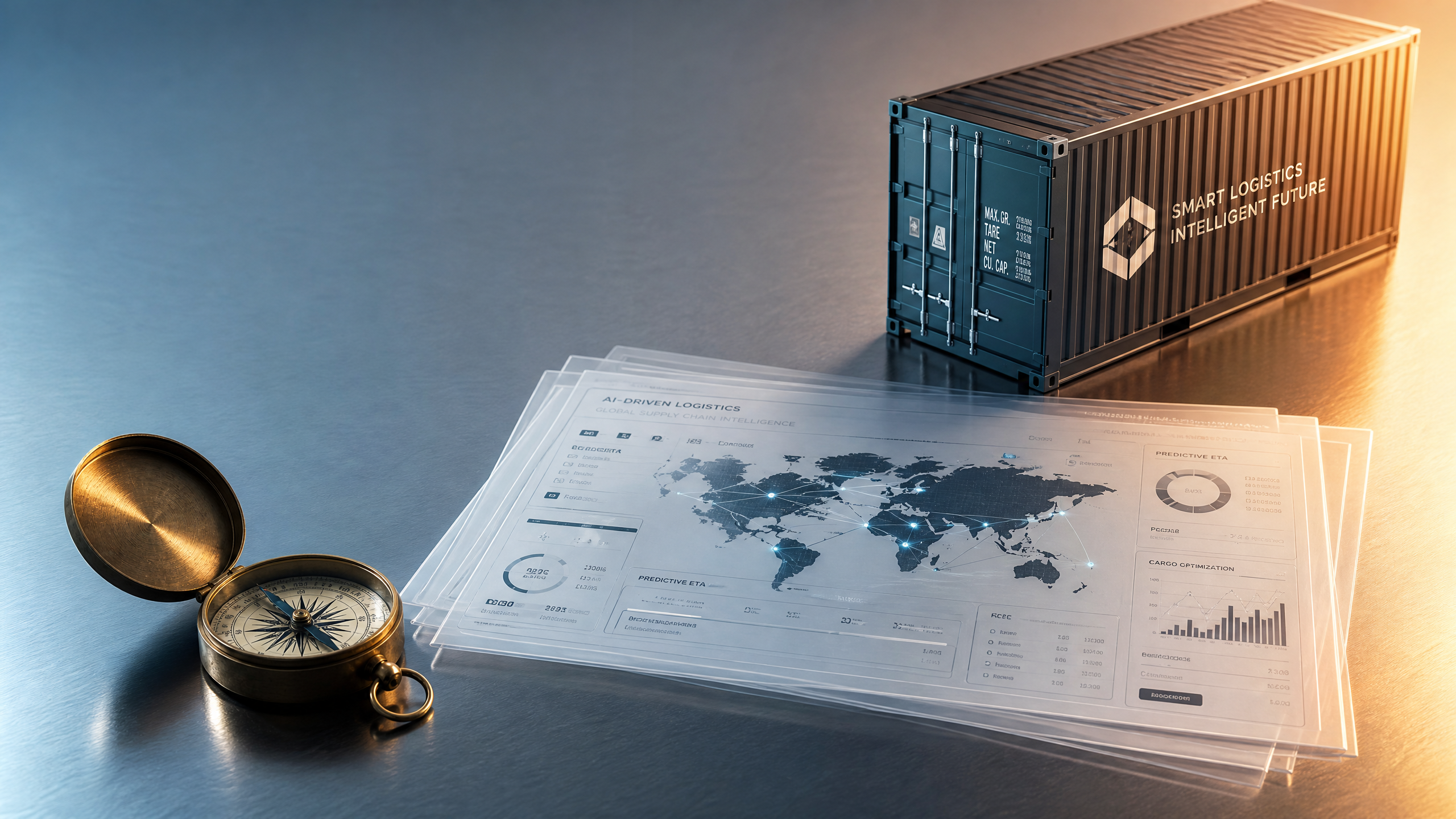
AI Websites: Modernizing Freight, Logistics, and Customs Clearing
The complex world of global trade, freight forwarding, logistics, and customs clearing has long been characterized by intricate processes, mountains of paperwork, and the constant pressure of tight deadlines. However, a quiet revolution is underway, powered by AI websites that promise to streamline operations, enhance transparency, and fundamentally reshape how these industries function. This isn't just about having an online presence; it's about leveraging artificial intelligence to create dynamic, responsive, and intelligent web platforms that drive tangible business results.
The Traditional Hurdles in Freight, Logistics, and Customs
For decades, businesses in freight, logistics, and customs clearing have grappled with significant operational challenges. A typical mid-sized freight forwarder might manage hundreds of shipments monthly, each with unique documentation, regulations, and tracking requirements. This often leads to bottlenecks and inefficiencies.

* Manual Documentation: Up to 70% of logistics data entry is still manual, leading to high error rates and processing delays.
* Lack of Real-time Visibility: Customers frequently complain about insufficient updates, with only about 25% of freight companies offering truly real-time tracking in 2023.
* Complex Compliance: Navigating ever-changing international customs regulations can be a minefield, often requiring specialized, time-consuming human intervention for each declaration.
* Outdated Communication: Many interactions still rely on emails, phone calls, and static PDFs, hindering quick problem resolution and proactive service.
These challenges contribute to an estimated 15-20% of operational costs being lost to inefficiency in the global logistics market, which is projected to reach approximately $16.5 trillion by 2027. The demand for faster, more transparent, and cost-effective services is pushing companies to seek innovative digital solutions.
AI Websites: Driving Digital Transformation in Logistics
AI websites are sophisticated digital platforms that leverage artificial intelligence to automate tasks, personalize user experiences, and provide real-time insights. For logistics companies, this means moving beyond static brochure sites to interactive, data-driven hubs. These platforms can interpret complex prompts to generate cinematic, scroll-driven interfaces, making intricate supply chain data accessible and engaging.
What is an AI website? An AI website is a dynamic web platform built or enhanced with artificial intelligence, capable of automating design, content generation, and user interaction. For industries like logistics, this means intuitive interfaces, predictive analytics, and personalized experiences, often created from a single text prompt.
AI-powered web platforms are transforming logistics by:
- Automating Quote Generation: Instantly provide accurate shipping quotes based on cargo details, routes, and current market rates, reducing response times by up to 80%.
- Optimizing Route Planning: Integrate with AI-driven algorithms to suggest the most efficient routes, potentially cutting fuel costs by 10-15% and improving delivery times by 25%.
- Enhancing Customer Self-Service: Offer interactive dashboards where clients can track shipments, access documents, and manage bookings 24/7, leading to a 30% increase in customer satisfaction.
- Streamlining Communication: AI chatbots handle routine inquiries, freeing human agents for complex issues and improving overall response efficiency.
Enhancing Transparency and Customer Experience
One of the most significant advantages of AI-driven web platforms is their ability to deliver unparalleled transparency. Customers in logistics demand to know exactly where their goods are, at any given moment. Modern AI websites provide this through sophisticated, interactive tracking modules. Imagine a client logging into a visually rich, scroll-driven website where they can see a 3D representation of their cargo's journey, complete with real-time updates and predictive arrival times. This level of engagement builds immense trust and reduces the burden on customer service teams. These immersive experiences also allow for custom notifications and alerts, keeping clients informed proactively rather than reactively. Businesses are seeing up to a 40% reduction in customer support calls related to tracking queries by implementing such features.
Streamlining Customs Clearing with Intelligent Web Solutions
Customs clearing, notoriously complex and prone to delays, is another area ripe for AI-driven transformation. The sheer volume of regulations, tariffs, and documentation required for international shipments can overwhelm even experienced professionals. An AI-powered website can act as an intelligent assistant, guiding users through the necessary steps and automating much of the process.
* Automated Document Preparation: AI can analyze shipment details and automatically generate necessary customs forms, reducing manual effort by over 60% and minimizing errors.
* Real-time Compliance Checks: Intelligent algorithms can cross-reference shipment data with the latest international trade regulations, flagging potential compliance issues before submission.
* Interactive Tariff Lookups: Users can quickly find applicable tariffs and duties, improving cost predictability and reducing unexpected charges.
* Secure Data Exchange: Encrypted portals facilitate the secure submission of sensitive information to customs authorities, enhancing data integrity and speed.
These intelligent web solutions significantly cut down on the time and resources traditionally spent on customs procedures. According to recent industry reports, companies adopting AI for customs processing have seen a 40% decrease in processing errors and a 20% faster clearance time. For more insights on how these technologies impact specific regional markets, consider reading about Logistics and Courier Company Website India: Win B2B Contracts.
Predictive Analytics for Optimized Operations
Beyond automation, AI websites excel at leveraging data to provide predictive insights. In logistics and customs, this means moving from reactive problem-solving to proactive optimization. AI models integrated into these platforms can analyze historical data, weather patterns, geopolitical events, and even port congestion to forecast potential delays or opportunities. For example, a website might alert a freight company to an upcoming port strike, allowing them to reroute shipments days in advance. This capability is rapidly becoming a competitive differentiator, enabling businesses to anticipate challenges and adapt their strategies with agility. Companies using predictive analytics report up to 15% better on-time delivery rates and a 5-10% reduction in unexpected costs.
Measurable Results: The Impact of AI-Powered Websites
The adoption of AI-powered websites in freight, logistics, and customs clearing is not just a trend; it's a strategic investment yielding significant, measurable results. Businesses are reporting a substantial return on investment through various key performance indicators.
* Increased Operational Efficiency: Automation of routine tasks, from quotation to documentation, has led to a 35% improvement in overall operational efficiency for early adopters.
* Enhanced Customer Acquisition: Interactive and transparent web experiences attract new clients, with some companies reporting a 20% increase in qualified leads within the first year of launching an advanced AI website.
* Reduced Costs: Lower error rates, optimized routes, and streamlined processes contribute to an average 15% reduction in operational overhead.
* Improved Compliance and Risk Management: Proactive identification of compliance issues significantly lowers fines and penalties, saving businesses considerable sums—potentially hundreds of thousands annually for large enterprises.
* Better Resource Allocation: By automating repetitive tasks, human teams can focus on strategic planning and complex problem-solving, leading to higher employee satisfaction and productivity.
For a broader understanding of how AI-driven web solutions contribute to operational excellence across various sectors, read about How 3D AI Websites Streamline Operations for Indian Manufacturers. The trajectory for AI adoption in the supply chain is steep, with a projected Compound Annual Growth Rate (CAGR) exceeding 25% through 2030, underscoring the urgency for businesses to embrace this transformation. For a comprehensive look at the benefits, consider our article on Modernizing Logistics: How AI Websites Drive Efficiency & Growth.
The digital transformation enabled by AI websites is reshaping the competitive landscape. Companies that embrace these intelligent platforms are not just surviving; they are thriving, setting new benchmarks for efficiency, customer satisfaction, and profitability. The future of freight, logistics, and customs is undeniably digital, dynamic, and driven by AI.
Ready to elevate your business operations and customer experience? [Explore Draftly's AI 3D website builder today and transform your online presence with a single prompt.](/)