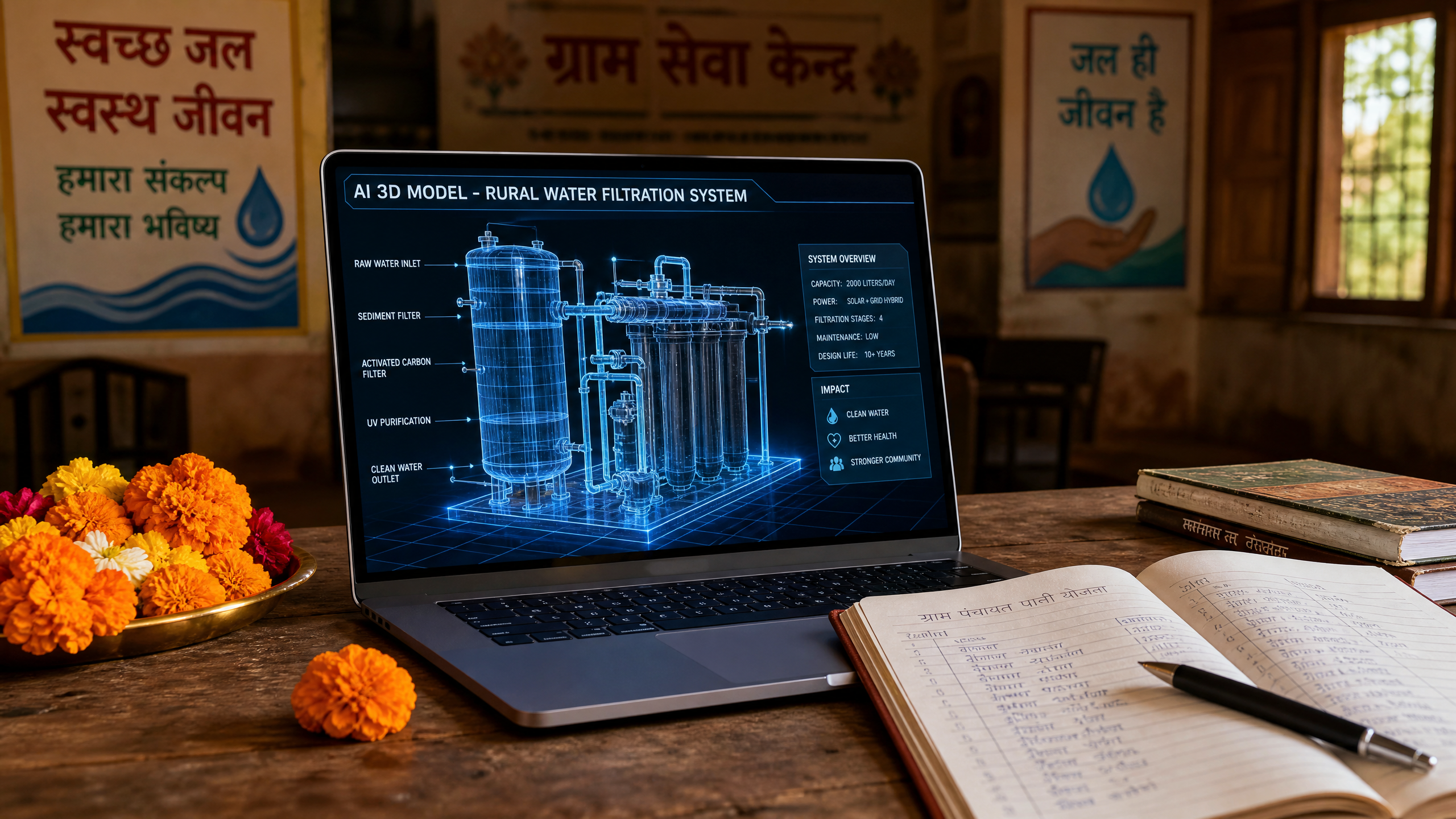
Using 3D AI Websites to Enhance Indian Social Impact Initiatives
Indian social impact initiatives are increasingly turning to digital innovation to solve the visibility gap that often hampers fundraising and volunteer recruitment. By utilizing immersive 3D AI websites, these organizations can transform static, text-heavy impact reports into dynamic storytelling experiences that resonate with a global donor base. Data indicates that interactive web experiences can increase user dwell time by up to 140%, providing a crucial window to convert casual browsers into long-term supporters.
The Shift Toward Immersive Digital Advocacy
Traditional NGO websites often struggle to convey the scale of rural projects or the nuances of community health programs. When you leverage 3D AI websites for Indian social impact initiatives, you provide donors with a virtual window into the field. This level of transparency is essential for building trust in an sector where skepticism regarding fund allocation remains a significant barrier.

- Increased Transparency: Real-time dashboards visualizing fund allocation help donors see exactly where their money goes.
- Emotional Connection: Cinematic scrolling allows users to follow a beneficiary's journey through high-quality 3D visuals.
- Global Reach: Immersive platforms bridge the geographic divide, making it easier for international diaspora to feel connected to local causes.
Designing for Impact: Features That Drive Conversion
Building a website that does more than just sit as a digital brochure requires specific, high-intent features. For many organizations, creating 3D AI career pages for independent Indian life coaches or community leaders has proven that interactivity directly correlates with sign-up rates. By using a Draftly section library, NGOs can quickly deploy modules that are optimized for both high-end desktops and low-bandwidth mobile devices common in Tier-2 and Tier-3 cities.
Interactive Storytelling Through 3D Motion
Storytelling is the heartbeat of social impact. Using cinematic, scroll-driven animations allows an organization to guide the user through a narrative arc. Instead of asking a donor to read a long PDF, they are guided through a 3D environment that highlights the specific problem and the proposed solution. This methodology is particularly effective when you compare the top five 3D AI website builders for NGOs in India to ensure you choose a platform that supports complex visual assets without sacrificing load speed.
Data Visualization and Donor Dashboards
- Visualize Impact: Use 3D charts to display the number of meals served or trees planted in real-time.
- Donor Recognition: Create immersive walls of recognition where donors can see their impact integrated into the 3D environment.
- Call-to-Action Integration: Ensure the donation button is anchored within the 3D scroll, making it accessible at the moment of highest emotional impact.
Overcoming Digital Barriers in Rural India
While 3D AI websites are visually complex, modern builders ensure they remain accessible. It is a common misconception that 3D sites are too heavy for India’s mobile-first demographic. By focusing on site speed optimization for 3D websites, developers can ensure that high-quality visuals do not compromise performance. This is particularly vital when building 3D AI websites that facilitate community building for Indian fashion brands or social impact groups, where the audience may be accessing the site over 4G or even 3G networks.
Measuring Success Beyond Traffic
Success for an Indian social impact initiative is not measured in page views, but in conversion—whether that is a donation, a volunteer application, or a petition signature. By implementing 3D AI career paths for Indian youth platforms, organizations can track the effectiveness of their outreach with greater precision.
- Conversion Tracking: Use integrated analytics to see which 3D sections yield the highest donation rates.
- A/B Testing: Experiment with different 3D layouts to determine which visuals most effectively drive empathy and action.
- Feedback Loops: Use interactive forms to gather beneficiary stories directly through the website, populating the site with fresh, authentic content.