How 3D AI Websites Benefit Micro-Entrepreneurs in Indian Textile Clusters
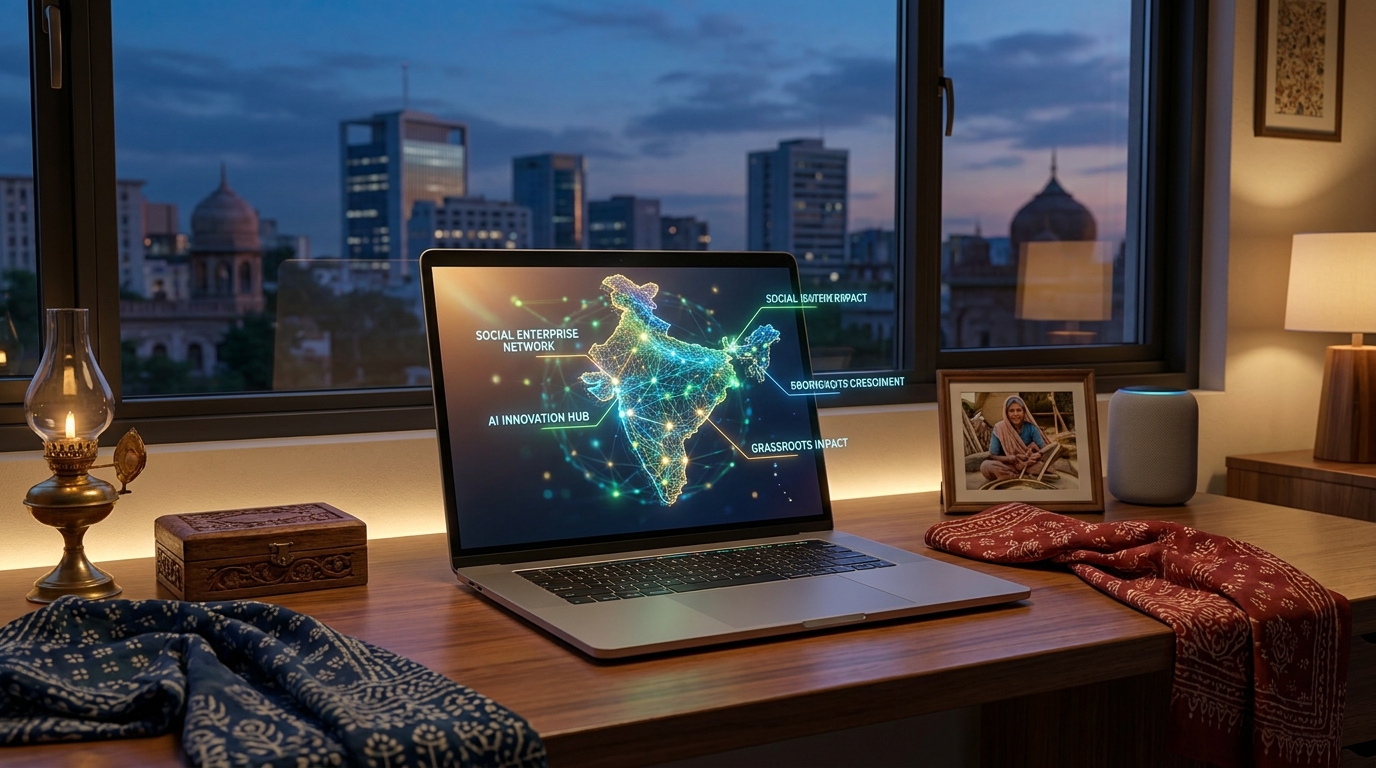
For micro-entrepreneurs in India's traditional textile clusters, the digital divide has long been a barrier to global market access. While local artisans produce world-class fabrics, their online presence often suffers from static, low-engagement platforms that fail to convey the tactile quality of their work. Today, 3D AI websites are changing this by offering an immersive, cinematic experience that allows international buyers to appreciate the intricate weave and texture of Indian textiles without needing to step into a physical warehouse.
Transforming Textile Exports with 3D AI Websites
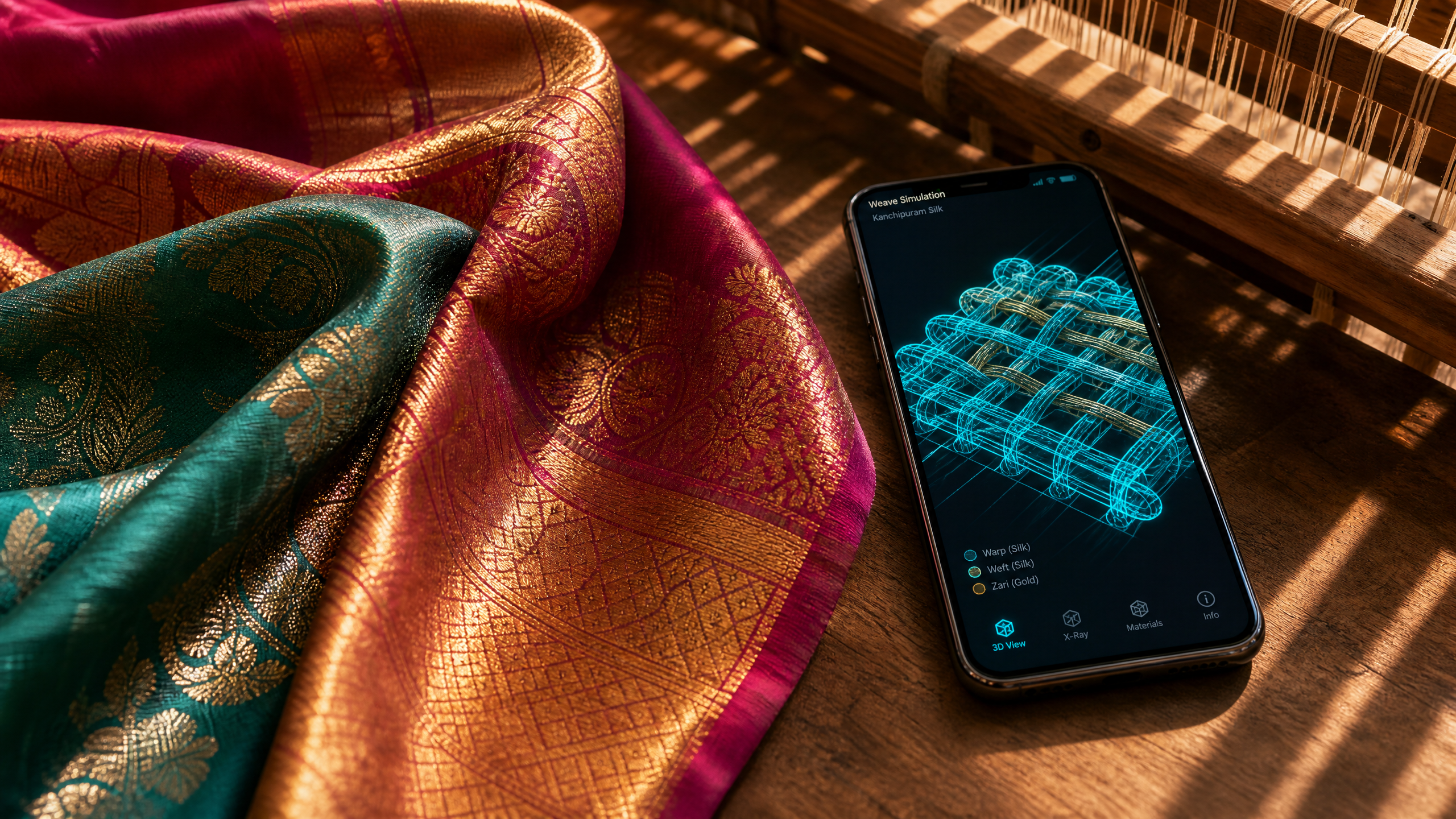
Traditional e-commerce sites rely on flat, 2D images that rarely capture the nuances of handloom or silk production. By integrating 3D AI website features into their digital storefronts, micro-entrepreneurs can provide a high-fidelity viewing experience. Research indicates that immersive product visualization can increase conversion rates by up to 40% for luxury and craft goods, as it builds a higher level of buyer confidence before the transaction occurs.

- Real-time texture rendering: AI-driven lighting allows users to see how fabric reacts to light.
- Cinematic storytelling: Scroll-driven animations guide the buyer through the history of the weave.
- Global trust signals: High-end, 3D-integrated interfaces position small-scale producers as premium global brands.
Why Immersive Design Matters for Textile Clusters
Textile clusters like those in Varanasi, Kanchipuram, and Panipat are home to millions of micro-entrepreneurs who rely on middlemen to reach international markets. A high-quality, 3D immersive catalog page removes the need for these intermediaries, allowing artisans to showcase their full collection directly to boutique retailers in Europe and North America. When a buyer experiences a site that feels like a high-end physical showroom, the perceived value of the product increases significantly.
Scaling Digital Presence for Rural Artisans
For many in these clusters, technical expertise is limited. The shift toward AI-native builders means that an entrepreneur can generate a site that rivals the design quality of a multi-million dollar brand using only a single prompt. This democratization of high-end web design is the most critical factor in closing the gap between rural production and urban consumption.
- Prompt-to-Site: Entrepreneurs input their brand story and textile focus to generate a full 3D layout.
- Cinematic Storytelling: Using Draftly motion pass guides, they can build hero sections that feature the rhythmic motion of a loom.
- Direct Engagement: Automated inquiry forms capture leads, bypassing traditional export gatekeepers.
The Economic Impact of AI-Driven Digital Growth
Adopting modern web technology is no longer a luxury; it is an economic necessity. With India's textile exports projected to reach significant growth milestones by 2030, micro-entrepreneurs who leverage 3D AI websites will capture a larger share of the global market. By reducing the reliance on static catalogs, these businesses can showcase their inventory in real-time, effectively managing demand without the need for massive upfront marketing budgets.
- Reduced returns: Buyers have a clearer expectation of the product quality.
- Higher margins: Direct-to-consumer exports eliminate middleman commissions.
- Brand longevity: A professional, 3D-first site builds an asset that grows in value over time.