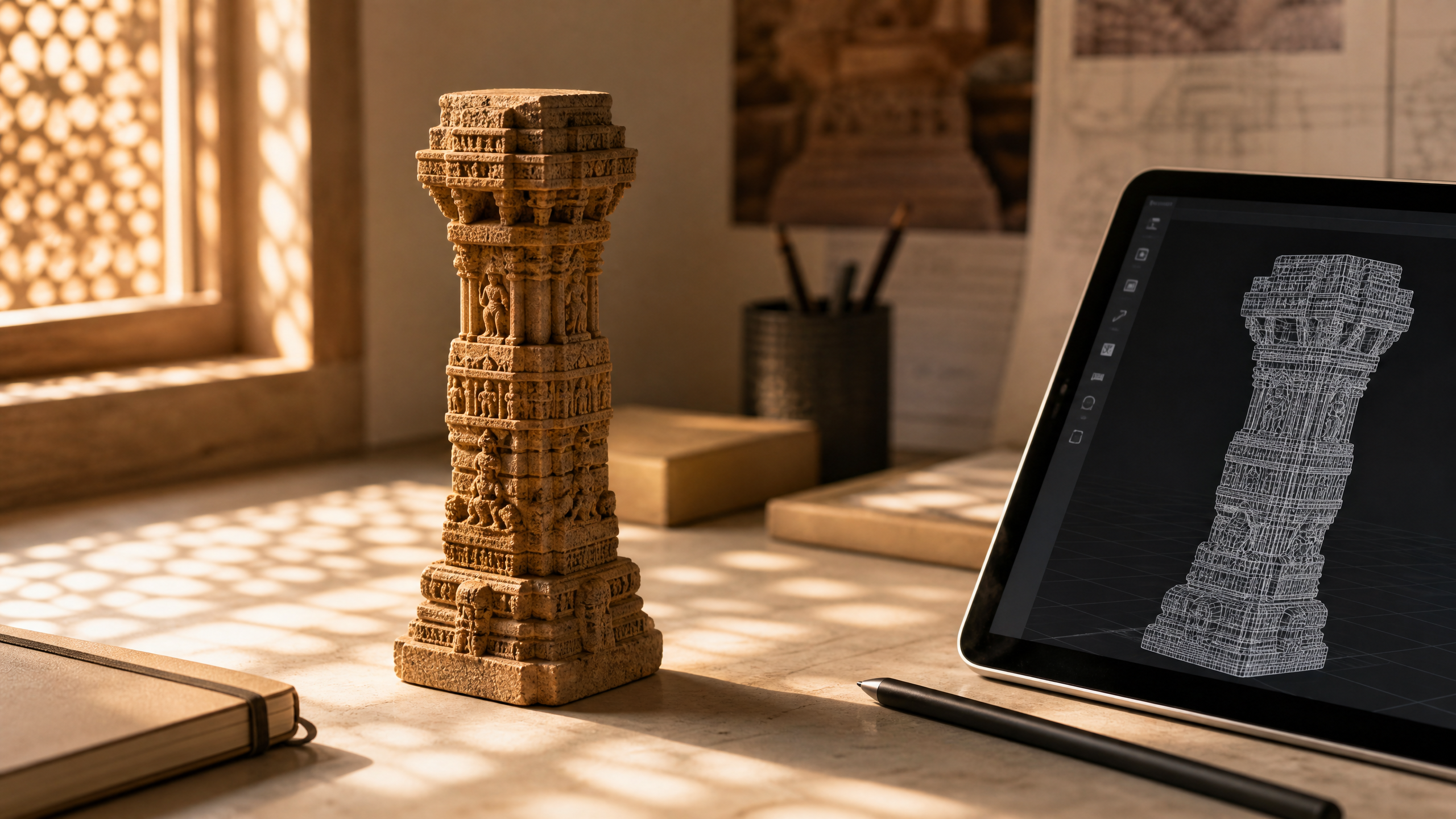
Using 3D AI Websites to Create Immersive Experiences for Indian Historical Museums
Indian historical museums are uniquely positioned to leverage 3D AI websites to bridge the gap between ancient heritage and digital-first audiences. By moving away from static, text-heavy pages to cinematic, scroll-driven environments, these institutions can offer global visitors an immersive look at India's rich cultural tapestry. When museums adopt modern design tools, they transform passive observation into active exploration, ensuring that history remains relevant in a digital-first world.
Why 3D AI Websites are Essential for Indian Historical Museums
Traditional museum websites often suffer from high bounce rates because they fail to capture the narrative depth of the artifacts they house. Current research shows that interactive, 3D-enhanced web experiences can increase user dwell time by up to 140% compared to standard image galleries. For curators, this means the ability to showcase a 360-degree view of an artifact or a 3D walkthrough of a heritage site, which is far more effective than a flat photograph.

* Enhanced Storytelling: Use motion to guide users through chronological eras.
* Global Accessibility: Allow students in rural areas to explore national treasures.
* Increased Engagement: Interactive elements encourage users to spend more time learning.
As you begin to build these experiences, it is helpful to Draftly Page Transitions and Section Animations: A Design Guide to ensure that the transition between historical periods feels seamless and professional.
Building Immersive Digital Galleries with AI
Building a 3D environment no longer requires a team of expensive developers. Modern AI builders allow museum staff to turn a single prompt into a fully realized 3D scene. By focusing on high-intent user experiences, museums can create sections that highlight specific dynasties, architectural marvels, or archaeological findings with precision.
Integrating Artifacts and Historical Context
To keep visitors engaged, your website needs to balance visual flair with educational substance. Rather than dumping raw data, structure your content into digestible, interactive blocks. You can Use AI Image Generation in Draftly: Get the Best Results to reconstruct missing pieces of artifacts or create atmospheric backgrounds that set the context for a specific historical era.
- Define the narrative arc of the museum exhibit.
- Generate high-quality 3D assets or atmospheric visuals using AI tools.
- Implement scroll-triggered animations to reveal facts as the user explores.
- Use clear, concise copy to explain the significance of the exhibit.
Scaling Visibility with 3D AI Websites
The primary goal of any digital museum project is to drive traffic and foster a deeper connection with history. By using How 3D AI Websites Boost Visibility for Indian Social Enterprises as a blueprint, museums can apply similar outreach strategies to increase their digital footprint. When your site is visually stunning and optimized for search engines, it becomes a destination in its own right, rather than just an information portal.
- Optimize for Mobile: Ensure 3D elements render smoothly on low-bandwidth devices.
- Localization: Offer content in regional languages to maximize accessibility.
- SEO Integration: Use specific keywords to rank for historical queries.
Optimizing for Discovery and Long-Term Engagement
Technical performance is the backbone of any 3D web experience. If your site takes too long to load, you lose the audience before they even see the first artifact. Achieving a balance between visual fidelity and speed is critical. You can learn more about How Google Actually Ranks Websites in 2026 to ensure your museum's digital presence remains competitive in search rankings.
Future-Proofing Heritage Through Technology
As digital technology advances, the role of museums will increasingly shift toward hybrid experiences. The ability to update content, add new 3D models of recently discovered artifacts, and refine the narrative based on visitor feedback is a significant advantage of AI-native platforms.
* Continuous Updates: Easily integrate new findings into existing 3D scenes.
* Data-Driven Curation: Use analytics to see which exhibits visitors interact with most.
* Community Interaction: Allow users to leave digital guestbook entries or feedback.