Enhancing India's E-Waste Management Initiatives via 3D AI Websites
India currently generates over 5 million metric tonnes of e-waste annually, yet only a small fraction is processed through formal, environment-friendly channels. The gap between disposal and recycling remains a major hurdle, often stemming from a lack of public awareness and accessible platforms for responsible disposal. By integrating immersive 3D AI websites, organizations can bridge this gap, transforming how citizens interact with sustainability initiatives.
The Role of Immersive Tech in E-Waste Awareness
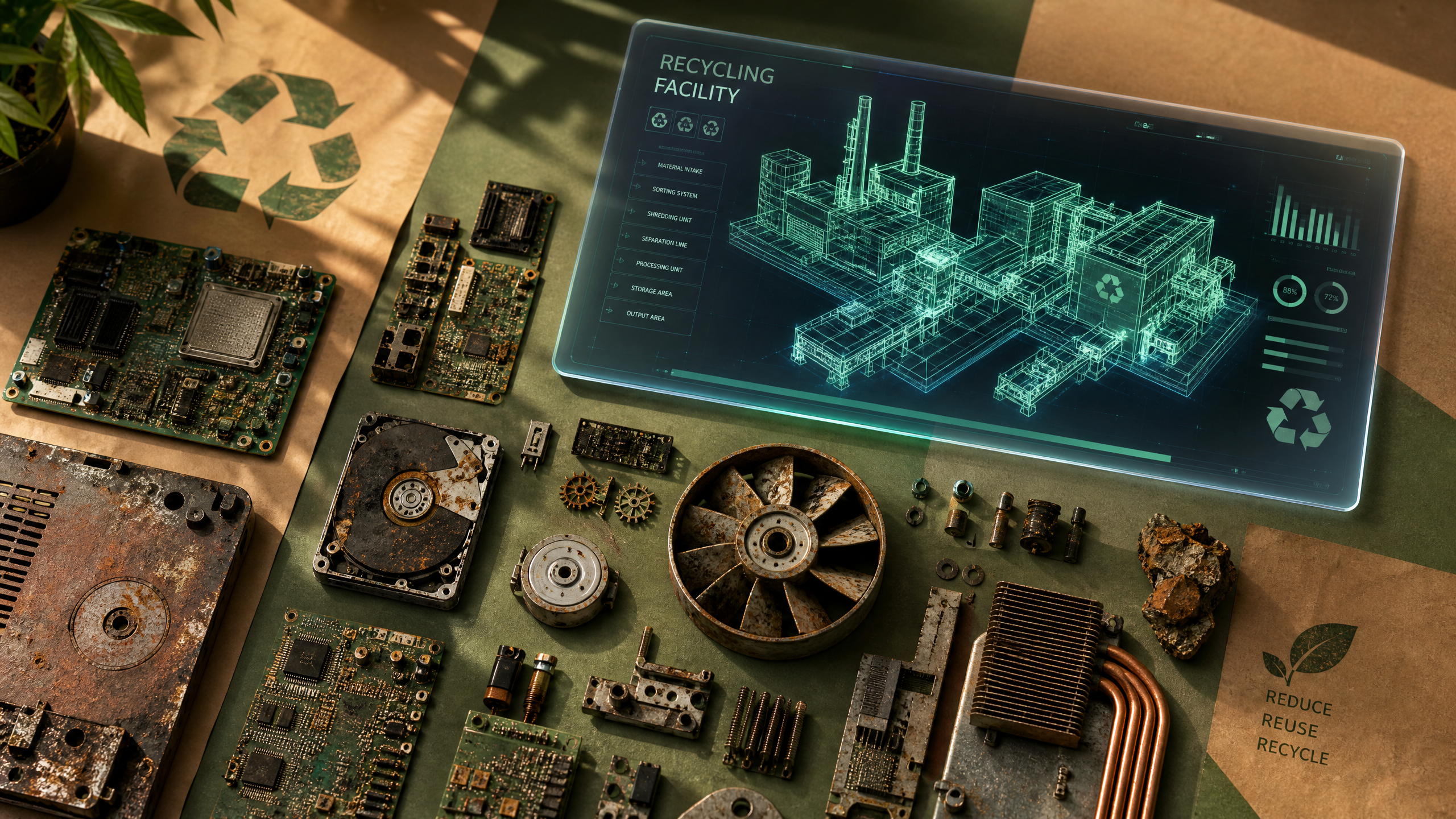
The complexity of e-waste—ranging from circuit boards to heavy metals—often overwhelms the average consumer. Traditional static websites fail to capture the urgency or the "how-to" of recycling. A 3D AI-driven platform allows users to visualize the impact of their discarded devices through interactive, scroll-driven storytelling. This approach mirrors how 3D AI websites boost visibility for Indian social enterprises by making abstract environmental data feel tangible and personal.

- Interactive 3D models demonstrate the hazardous components inside common household electronics.
- Gamified recycling pathways show users exactly where their old smartphone goes after pickup.
- Real-time impact dashboards calculate the carbon footprint reduced by each logged recycling request.
Driving Action Through 3D AI Website Features
To move beyond passive awareness, your digital platform must facilitate action. Data shows that user engagement increases by up to 40% when websites incorporate interactive elements rather than static forms. You can use a Draftly section library to implement high-converting blocks that guide users through the recycling process. By visualizing the logistics, you build trust with a demographic that has historically been skeptical of informal collection methods.
Scaling Collection with Interactive Dashboards
Implementing 3D AI Career Paths for Indian Youth Platforms](/blog/tutorials/3d-ai-career-paths-indian-youth) can also be adapted to educate the next generation of environmental stewards. By creating interactive portals, you allow local collection centers to manage inventory and logistics in real-time, effectively creating a decentralized network of e-waste hubs.
- User logs a device via a 3D interface that identifies the make and model.
- The system calculates the proximity to the nearest authorized collection center.
- An automated pickup request is triggered, reducing the logistical friction for the consumer.
Optimizing for Accessibility and Reach
Building an impactful platform requires more than just high-end visuals; it requires performance. Because many users in rural India access the internet via low-bandwidth mobile networks, your 3D assets must be optimized for speed. Following a 3D website loading speed guide ensures that your message remains accessible without sacrificing the cinematic quality that makes these sites so engaging.
When citizens can easily visualize the lifecycle of their electronics, they are significantly more likely to participate in formal recycling programs. This digital transformation is not just about aesthetics—it is about creating a trustworthy interface that simplifies a complex logistical challenge.