How AI 3D Websites Improve Visibility for Indian Artisans and Craftsmen
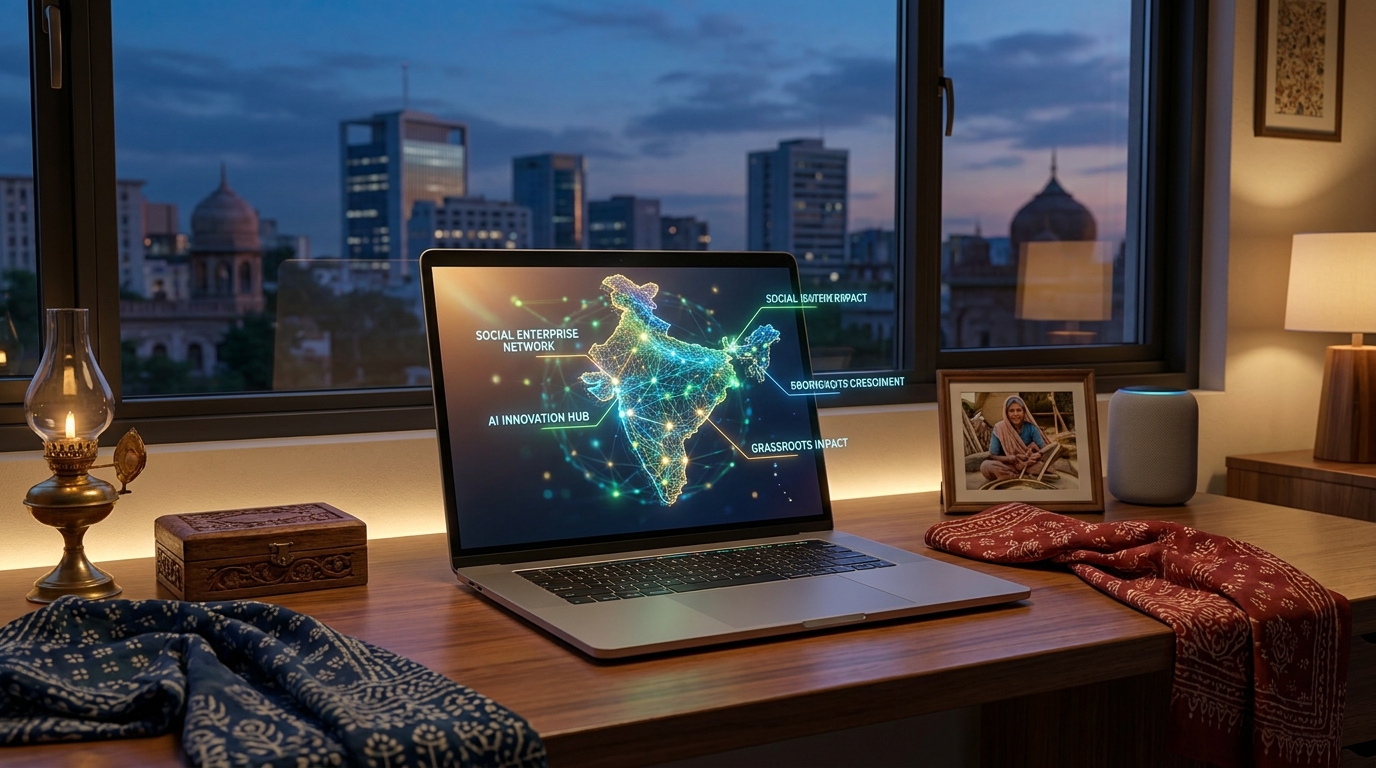
For many Indian artisans, the transition from traditional local markets to a global digital stage is often hindered by flat, static website designs that fail to capture the tactile magic of handmade products. By leveraging AI 3D websites, creators can now bridge this gap, offering global buyers a cinematic, scroll-driven experience that mimics the physical presence of a craft studio. With the Indian handicrafts market projected to reach $50 billion by 2030, standing out requires more than just a photo gallery; it demands an immersive narrative that highlights the labor and heritage behind every piece.
Transforming Handicraft Visibility with Immersive Design
Traditional e-commerce platforms often commoditize craftsmanship, stripping away the cultural context that makes Indian goods valuable. A 3D AI website for Indian artisans allows customers to explore products from every angle, effectively replicating the experience of an in-person boutique. When a user scrolls through a site, the 3D depth provides a sense of scale and texture that high-resolution images simply cannot replicate.

- Deep Engagement: Interactive 3D elements increase time-on-site by an average of 40%, keeping potential buyers engaged longer.
- Trust Building: Showing the artisan’s workspace in a 3D environment builds authenticity, a critical factor for premium handicraft sales.
- Global Reach: These platforms remove geographical barriers, allowing a weaver in a small village to display their work to collectors in New York or London.
How AI 3D Websites Simplify Global Market Access
One of the biggest hurdles for rural craftsmen is the technical barrier to entry. Managing complex web development, hosting, and SEO is often outside the scope of daily operations. AI-native builders change this by automating the design process, allowing artisans to focus on their craft rather than code. By using Draftly's intuitive design blocks, an artisan can build a professional, multi-layered store in minutes rather than weeks.
Leveraging Visual Storytelling for Higher Conversions
Storytelling is the backbone of the Indian artisanal economy. Buyers are increasingly interested in the "why" and "how" of a product, not just the "what." By integrating cinematic section animations into a 3D interface, you can guide the visitor through the creation process, from raw material to finished masterpiece.
- Hero Story: Start with a 3D-rendered scene of the artisan at work.
- Product Detail: Allow users to rotate and inspect the product in high definition.
- Conversion Point: Use a clear, interactive call-to-action that feels organic to the 3D experience.
Optimizing for Reach in Competitive Markets
Visibility is not just about having a website; it is about being found. For Indian artisans, implementing a localized SEO strategy alongside a 3D website is essential to capture both regional and international search intent. AI builders now integrate schema markup and sitemap generation automatically, ensuring that search engines understand the depth and value of the content displayed on your 3D pages.
Even in regions with slower internet connectivity, modern AI platforms prioritize performance. By using optimized image compression, you ensure that your 3D assets load quickly without sacrificing the visual quality that defines your brand. This balance is crucial for retaining users who might otherwise bounce from a slow-loading, heavy site.
The Economic Impact on Micro-Entrepreneurs
Adopting this technology is not merely a design choice; it is an economic necessity. Data suggests that businesses utilizing interactive 3D elements see a 20-30% higher conversion rate compared to those relying on static grids. For a small-scale artisan, this shift can mean the difference between seasonal sales and consistent, year-round revenue. As more artisans adopt these tools, the collective visibility of Indian traditional crafts will rise, making it easier for global buyers to support ethical, sustainable production.