Agency Service Page Design: How to Write and Design for More Leads
For agencies, a service page is more than a list of offerings; it is a critical conversion funnel designed to transform a curious visitor into a qualified lead. Effective service pages articulate value, address client pain points, and build trust, ultimately driving inquiries and new business. Data indicates that well-optimised service pages can significantly outperform generic 'services' sections in lead generation metrics.
Crafting a service page that converts requires a dual focus: compelling copywriting that resonates with your target audience and a design that guides them intuitively towards action. This guide outlines the strategic elements necessary to achieve both, leveraging best practices in web design and content strategy.
1. Understand Your Audience and Their Pain Points
The foundation of a high-converting service page is a deep understanding of your prospective clients. Agencies often make the mistake of focusing solely on their services, rather than the solutions those services provide. Research suggests that visitors are primarily searching for answers to their problems, not just a list of features.
!agency service page design writing design for leads, tutorials
Begin by identifying your ideal client personas. What are their challenges? What keeps them awake at night? What are their goals and aspirations? Your service page should directly address these concerns, positioning your agency as the expert solution provider.
For instance, instead of stating "We offer SEO services," articulate the benefit: "Struggling to rank on Google? Our SEO strategies drive organic traffic and qualified leads to your business, increasing your online visibility by an average of 30% within six months." This client-centric approach immediately establishes relevance.
2. Crafting Compelling Copy That Converts
Effective service page copy moves visitors through a narrative, from problem identification to solution endorsement. Every word must serve a purpose: to inform, persuade, and motivate.
Benefit-Driven Headlines and Subheadings
Your main headline is the first point of engagement. It must immediately communicate value. Avoid jargon. Use clear, concise language that highlights a primary benefit or solves a key problem. Subsequent subheadings should break down complex information into digestible chunks, maintaining reader engagement and guiding them through the page's content.
The "Why Us" Factor: Unique Value Proposition
What makes your agency different? This is your Unique Value Proposition (UVP). Whether it's a specific methodology, proprietary technology, industry niche expertise, or a proven track record, your UVP must be clearly articulated. Quantifiable results, such as "200% ROI for clients in the SaaS sector," are more impactful than vague claims of "excellence."
Integrate Social Proof
Trust is a primary driver of conversion. Testimonials, case studies, client logos, and awards provide powerful social proof. Studies indicate that 92% of consumers trust peer recommendations. Embed short, impactful testimonials strategically near relevant service descriptions. Link to full case studies for deeper validation, demonstrating your agency's ability to deliver tangible results.
Clear and Strategic Calls-to-Action (CTAs)
A service page must have a clear path to conversion. Your CTAs should be explicit, benefit-oriented, and strategically placed. Use action-oriented language: "Get a Free Consultation," "Request a Custom Proposal," or "Schedule a Discovery Call." Place CTAs at natural breakpoints in the content, such as after outlining benefits or presenting social proof. Ensure forms are concise; research shows that reducing form fields can increase conversion rates by up to 120%.
Address Objections and FAQs
Anticipate potential client questions and objections. A dedicated FAQ section can proactively address concerns about pricing, process, timelines, or specific deliverables. Transparency builds confidence and can alleviate hesitation, pushing prospects closer to conversion.
3. Designing for Impact and Conversion
Beyond copy, the visual presentation of your service page dictates user experience and perception. A well-designed page enhances readability, reinforces brand identity, and directs user attention.
Visual Hierarchy and Layout
Organise your content with a clear visual hierarchy. Use headings, subheadings, bullet points, and ample white space to make information scannable. A logical flow ensures visitors can quickly find what they need. Consider using a structured approach with sections that clearly differentiate services, benefits, and client results. The Draftly Section Library: Every Block and When to Use It offers various pre-designed blocks to help structure your content effectively and guide user experience.
Brand Consistency
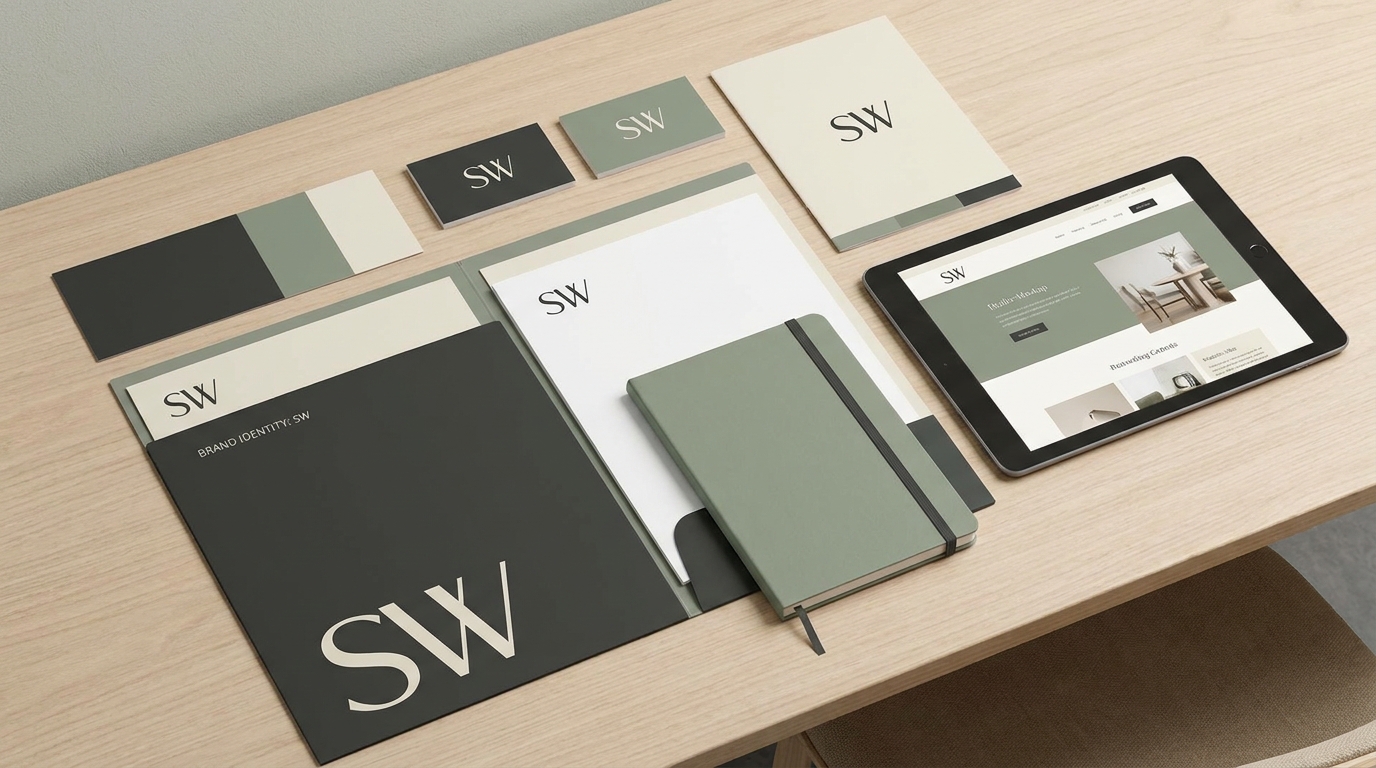
Your service page must align with your overall brand identity. This includes consistent use of fonts, color palettes, and imagery. A cohesive brand experience builds professionalism and memorability. Tools like Draftly allow you to Customise Fonts, Colors and Your Brand Kit in Draftly to maintain a consistent visual language across your entire website.
Engaging Visuals and Multimedia
Static text can be monotonous. Incorporate high-quality images, custom illustrations, infographics, and short videos to explain complex services or showcase results. Visuals can convey information more efficiently than text alone. For agencies leveraging advanced web capabilities, consider incorporating 3D elements or interactive components where appropriate to enhance engagement and explain complex service offerings. Platforms like Draftly also offer features like Using AI Image Generation in Draftly: Get the Best Results to create unique visual assets that capture attention.
Mobile Responsiveness
With mobile traffic accounting for over half of all web traffic globally, a mobile-responsive design is non-negotiable. Your service page must render perfectly on all devices, ensuring a seamless experience for every visitor. Neglecting mobile optimisation leads to higher bounce rates and lost leads. Always Test Your Draftly Site on Mobile Before Launch to ensure optimal performance and user experience.
Page Speed Performance
Slow loading times directly correlate with higher bounce rates. A study by Google found that 53% of mobile site visitors leave pages that take longer than three seconds to load. Optimise images, leverage browser caching, and minimise code to ensure your service pages load quickly. This is especially crucial for visually rich 3D websites, where 3D Website Loading Speed: How to Stay Fast Without Sacrificing Visual Quality becomes a key consideration.
4. Optimizing for Search Engines (SEO)
Even the most perfectly crafted service page won't generate leads if it isn't discoverable. SEO ensures your page ranks for relevant search queries, bringing qualified traffic.
Keyword Research
Identify the primary keywords and long-tail phrases your target audience uses when searching for your services. Integrate these naturally into your page title, meta description, headings, and body copy. Avoid keyword stuffing, which can harm your rankings.
On-Page SEO Elements
Beyond keywords, optimise your title tags, meta descriptions, URL structure, and image alt text. Ensure your content is comprehensive and authoritative, providing real value to the user. Draftly's built-in Draftly SEO Panel Guide: Optimise Every Page for Search simplifies this process, allowing you to manage these critical elements easily.
Schema Markup
Implement structured data (Schema Markup) to help search engines understand your content better and potentially display rich snippets in search results. This can include `Service` or `Product` schema, which can highlight key information about your offerings. For a deeper dive into improving your search visibility, refer to our Structured Data Guide: How Schema Markup Improves Your SEO.
5. Tracking and Iteration
Conversion rate optimisation is an ongoing process. Once your service page is live, monitor its performance to identify areas for improvement.
Analytics and Heatmaps
Use analytics tools to track key metrics such as traffic sources, bounce rate, time on page, and conversion rates. Heatmaps can reveal how users interact with your page, showing where they click, scroll, and spend their time. This data provides actionable insights into user behavior. Draftly Analytics: Understanding Your Site Traffic and Conversions can provide valuable insights into your page's performance.
A/B Testing
Continuously test different elements of your page—headlines, CTAs, imagery, layout—to determine what resonates most with your audience. Small changes can lead to significant improvements in conversion rates over time. Iterative testing based on empirical data ensures your service pages evolve to meet client needs and market demands.
Conclusion
An agency service page is a dynamic asset that requires strategic writing, thoughtful design, and continuous optimisation. By focusing on your audience's needs, articulating clear value, and ensuring a seamless user experience, you can transform your service pages into powerful lead-generating engines. Implementing these data-backed strategies will not only attract more qualified leads but also build a stronger, more trustworthy brand presence for your agency.
Ready to build high-converting service pages for your agency? Start designing with Draftly today.