AI-Generated Imagery in Web Design: Quality vs. Authenticity
The use of AI-generated imagery in web design has exploded, with text-to-image models creating billions of visuals daily. This isn't just a trend; it's a fundamental shift away from the limitations of stock photography. The new challenge for brands isn't if they can create a perfect image, but how they can do it without sacrificing the authenticity that builds user trust. The core tension lies between near-infinite creative quality and the growing risk of a sterile, generic aesthetic that feels disconnected from reality.
This debate defines the next era of digital branding. The winners will be those who master the balance, using AI not as a replacement for creativity, but as a tool to amplify it with genuine character.
The Scale of the AI Visual Revolution
For years, web design imagery was a choice between two compromises: expensive, time-consuming custom photoshoots or affordable but generic stock photography. Generative AI has shattered that model. A custom brand photoshoot can easily cost $10,000 and take weeks to plan and execute. In contrast, generating a unique, high-resolution AI image takes seconds and costs pennies.

This accessibility has led to staggering adoption. Platforms like Midjourney and DALL-E have attracted tens of millions of users, collectively generating an estimated 30+ billion images since 2022. The benefits driving this shift are clear:
- Unprecedented Speed: Designers can iterate on a concept dozens of times in an hour, a process that would be impossible with traditional methods.
- Creative Freedom: Visualizing abstract concepts—like 'data security' or 'brand synergy'—is no longer limited to clichéd stock photos. You can create a perfectly tailored metaphor.
- Cost Efficiency: The cost per image is negligible, allowing startups and small businesses to achieve a visual quality that was once reserved for enterprise budgets.
- Guaranteed Uniqueness: Unlike a stock photo that might appear on a competitor's site, every AI-generated image can be entirely unique to your brand.
The Quality Paradox: When 'Perfect' Becomes a Problem
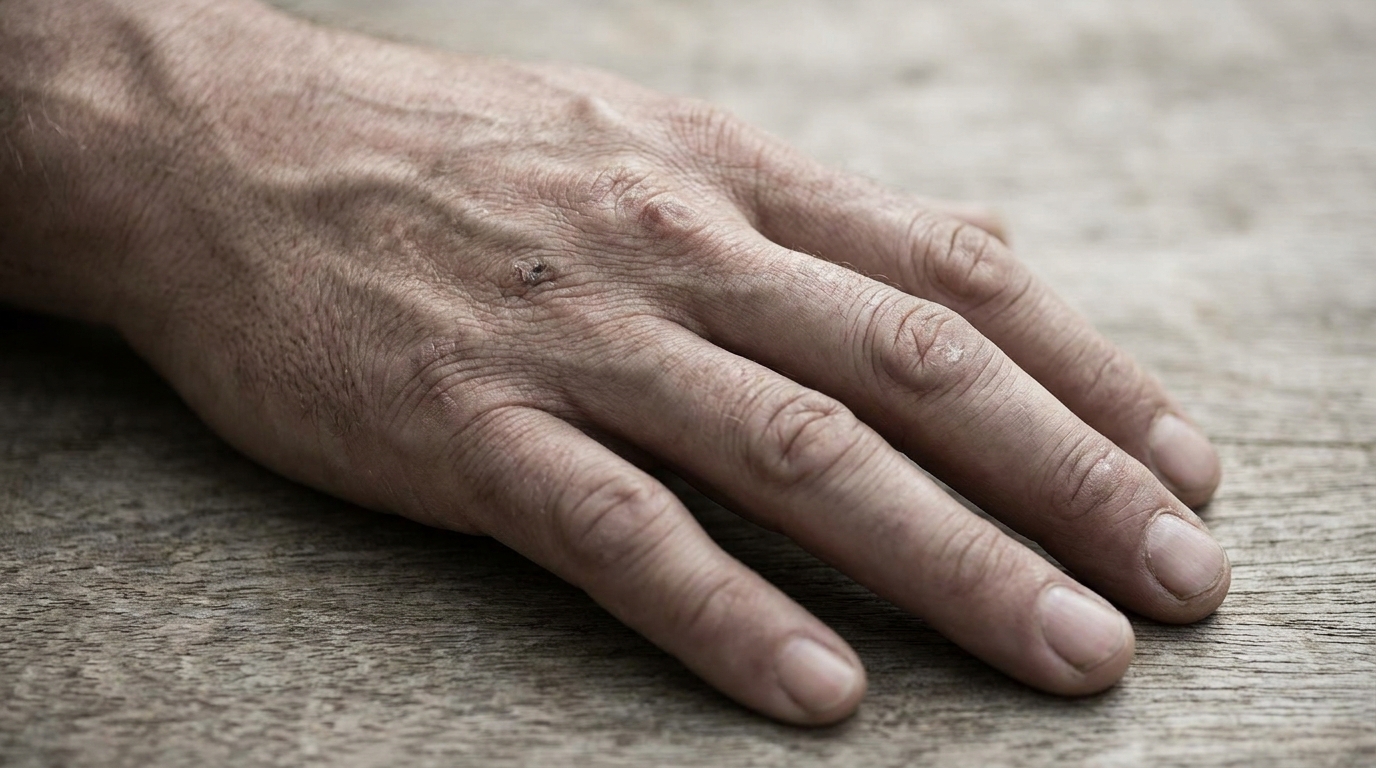
The technical quality of AI-generated imagery is no longer in question. Models can produce photorealistic visuals that are often indistinguishable from professional photography at first glance. But this technical perfection has created an authenticity paradox. The tell-tale signs of early AI—like six-fingered hands—have been replaced by a more subtle issue: a sterile hyper-perfection that can feel emotionally cold and untrustworthy.
This “AI aesthetic” often includes unnaturally perfect lighting, flawless skin textures, and a lack of the minute imperfections that signal reality. A 2024 Stanford study found that while users can spot high-quality AI images with about 65% accuracy, their trust in a brand can drop by up to 20% if they perceive the visuals as inauthentic. This is especially true for imagery involving people, where a sense of genuine human connection is paramount.
What is Visual Authenticity?
Visual authenticity is the perceived genuineness of an image, created through subtle imperfections, contextually relevant details, and an emotional resonance that connects with a user's real-world experience. It builds trust by feeling true, not just looking real. For high-value services, this perceived truth is critical, which is why 3D websites for luxury brands often blend real-world textures with digital perfection to maintain that authentic feel.
Striking the Balance with AI-Generated Imagery in Web Design
Avoiding AI imagery altogether is not a viable long-term strategy. The key is to use it with intention, directing the technology to serve your brand's unique identity rather than letting a generic AI aesthetic define it. A strategic, hybrid approach is the most effective way to harness AI's power while maintaining brand authenticity.
This means using AI for what it does best—creating abstract backgrounds, conceptual art, and unique textures—while relying on real photography for the elements that require the most human connection, like team photos and product-in-use shots.
The Human-Directed Hybrid Model
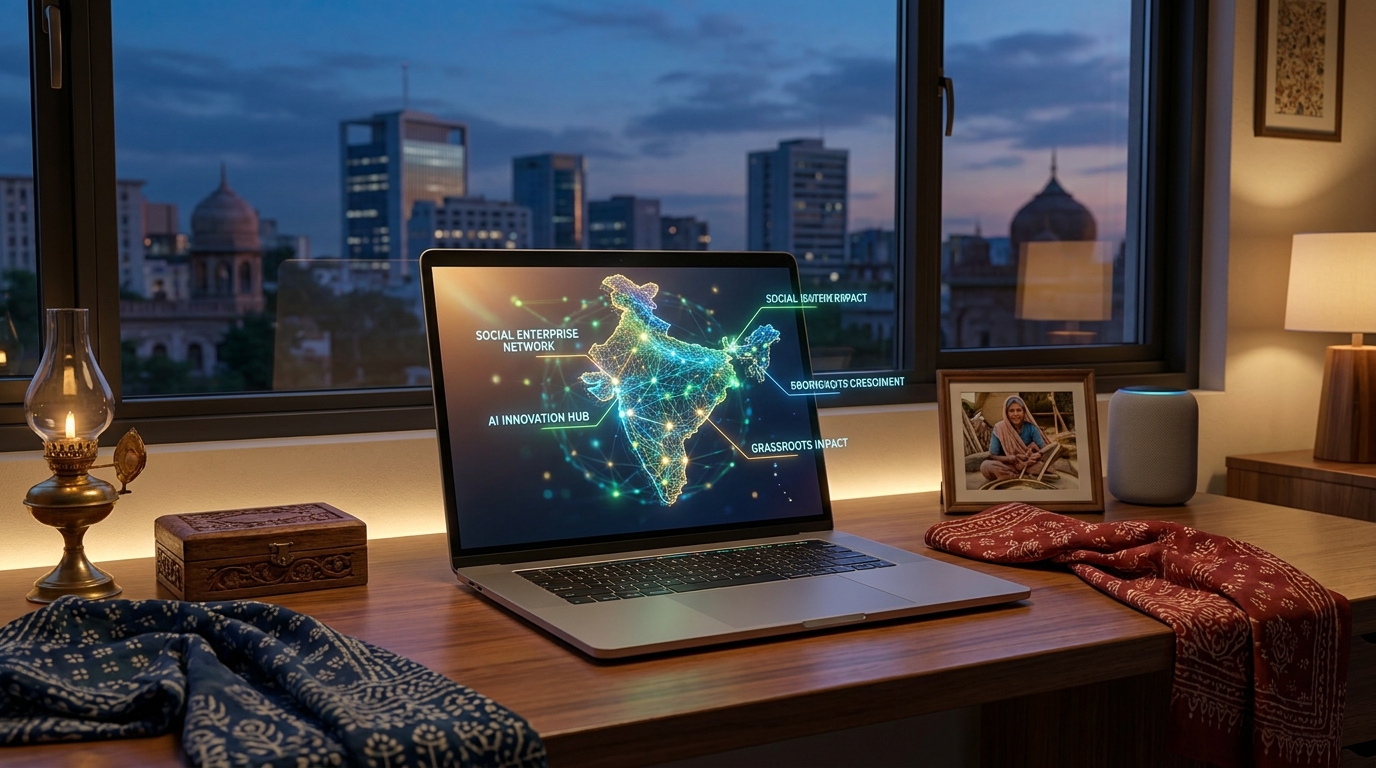
Consider a fintech startup's website. They could use AI to generate a stunning, abstract 3D hero background that visualizes market data flows. This is a perfect use case: it's visually impressive, on-brand, and doesn't need to be 'real'. Further down the page, in the customer testimonials section, they would use professional photos of their actual clients. This combination delivers both a high-tech feel and human-centric trust.
Here’s how to maintain authenticity while using AI Image Generation in Draftly or any other platform:
- Develop a Signature Style: Go beyond basic prompts. Engineer a unique visual language by specifying camera lenses, film stock, lighting styles (e.g., chiaroscuro lighting, golden hour), and textures. This creates a consistent, recognizable brand aesthetic.
- Ground Images in Your Brand: Inject your specific brand elements into your prompts. Ask the AI to incorporate your logo on a product, use your exact brand color palette, or place your product in a relevant, branded environment.
- Use AI for Concepts, Not Culture: Rely on AI-generated imagery for metaphorical visuals and abstract graphics. For your 'About Us' page or team bios, real photos are non-negotiable. Authenticity here comes from showing real people.
- Introduce Imperfection: The most effective way to break the sterile AI look is to edit the final images. Add a subtle film grain, adjust color grading, or introduce a slight lens flare. These small, human touches make the image feel more organic and less machine-made.
The Future is Synthetic, but Human-Curated
The trajectory of AI in web design is clear. The conversation is moving from static images to generative video and interactive 3D environments. This evolution will only amplify the quality vs. authenticity debate. Soon, creating a cinematic video for your website will be as simple as writing a paragraph.
In this new landscape, the role of a designer becomes that of a director. Your value isn't in finding a stock photo but in crafting the perfect prompt to generate a visual that is both beautiful and emotionally resonant. The future of branding isn't just about standing out visually; it's about proving you're real in a synthetic world. That’s why many believe 3D websites are the next frontier for brand differentiation—they offer an immersive, authentic experience that flat design cannot match.
By 2026, industry analysts predict that over 90% of all online content will be synthetically generated or assisted. The brands that thrive will be those that infuse this synthetic content with a clear, authentic, and human-driven vision.