Creating 3D Multilingual Websites for India’s Tourism Boards
India’s regional tourism boards face a unique challenge: how to showcase their cultural richness to a diverse, multilingual audience while standing out in a crowded travel market. A 3D multilingual website can be a game-changer, enabling tourism boards to tell immersive stories, engage visitors, and cater to India’s linguistic diversity.
Why Multilingual Websites are Vital for Indian Tourism
India is home to over 22 official languages and hundreds of dialects. With 500 million active internet users preferring content in regional languages, creating multilingual websites is no longer optional for tourism boards.
!creating 3d multilingual websites for indias tourism boards, india
- Cultural connection: Tourists are more likely to explore destinations when information is available in their native language.
- SEO advantages: Multilingual websites can target regional keywords, improving local SEO for Indian small businesses.
- Accessibility: Catering to non-English speakers removes barriers and improves user experience.
Features of an Effective 3D Multilingual Tourism Website
To design a successful 3D multilingual website for regional tourism boards, focus on these key features:
1. Multilingual Support with Regional Languages
- Offer content in at least 3-5 languages, including Hindi, Tamil, Telugu, Bengali, and Marathi.
- Use Hreflang tags to serve the right language version to Google and users in specific regions (learn more about Hreflang).
- Ensure translations are culturally accurate, not just literal.
2. Immersive Storytelling with 3D Visuals
- Use scroll-driven animations to narrate the history of iconic landmarks (explore scroll-driven animation tips).
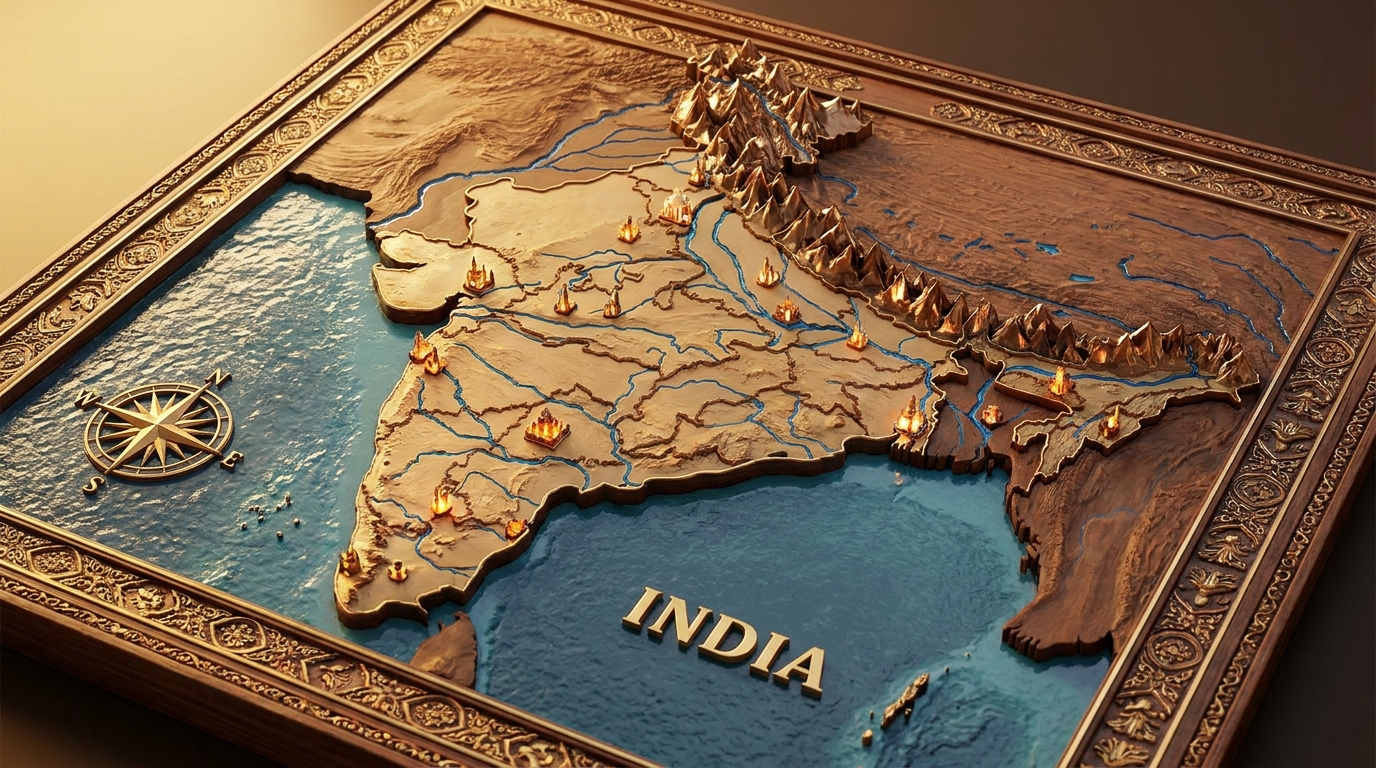
- Integrate 3D maps showcasing tourist trails and heritage walks using interactive tools.
- Create virtual tours of destinations to engage users before they visit.
3. Interactive Itineraries and Booking Options
- Build 3D travel itineraries with clickable elements for hotels, restaurants, and activities (guide to 3D itineraries).
- Add multilingual booking options integrated with payment gateways like Razorpay or Paytm.
- Optimize the booking process for mobile users, as 80% of Indian internet users access the web via smartphones.
Step-by-Step Guide to Building a 3D Multilingual Website
Step 1: Define Your Audience and Languages
- Identify primary audience segments (domestic, international, or both).
- Choose 3-5 languages based on travel trends. For example, Tamil Nadu’s board might prioritize Tamil, Hindi, and English, while Rajasthan may include German for international tourists.
Step 2: Leverage AI Tools for Translation and Design
- Use Draftly’s AI to generate consistent multilingual content (learn how).
- Ensure translations maintain cultural nuances, especially for slogans and descriptions.
- Experiment with color psychology to align with the cultural aesthetic of each region (color psychology in web design).
Step 3: Incorporate 3D Storytelling Elements
- Create 3D models of landmarks like the Taj Mahal or Ajanta Caves using Draftly’s AI rendering engine (see how Draftly builds 3D scenes).
- Use motion paths and parallax scrolling to guide users through a virtual tour of the destination.
- Add interactive hotspots to provide historical and cultural context.
Step 4: Optimize for SEO and Speed
- Implement structured data for multilingual SEO (guide to schema markup).
- Optimize 3D visuals for faster loading speeds, especially for rural internet users.
- Test your site on mobile to ensure responsiveness (mobile-first design tips).
Real-World Example: Kerala Tourism Board
Kerala’s tourism board combines multilingual content with immersive 3D features to promote its backwaters and cultural festivals. Key elements include:
- A 3D map of the backwaters with clickable houseboat routes.
- Multilingual content available in Malayalam, Hindi, English, and German.
- Virtual walkthroughs of the Neelakurinji bloom, a phenomenon that occurs every 12 years.
Benefits of 3D Multilingual Websites for Tourism Boards
- Higher engagement: Interactive 3D elements increase time on site by up to 40%.
- Improved conversions: Local language content can boost booking rates by 3x.
- Stronger branding: 3D storytelling creates a memorable user experience, helping tourism boards stand out.