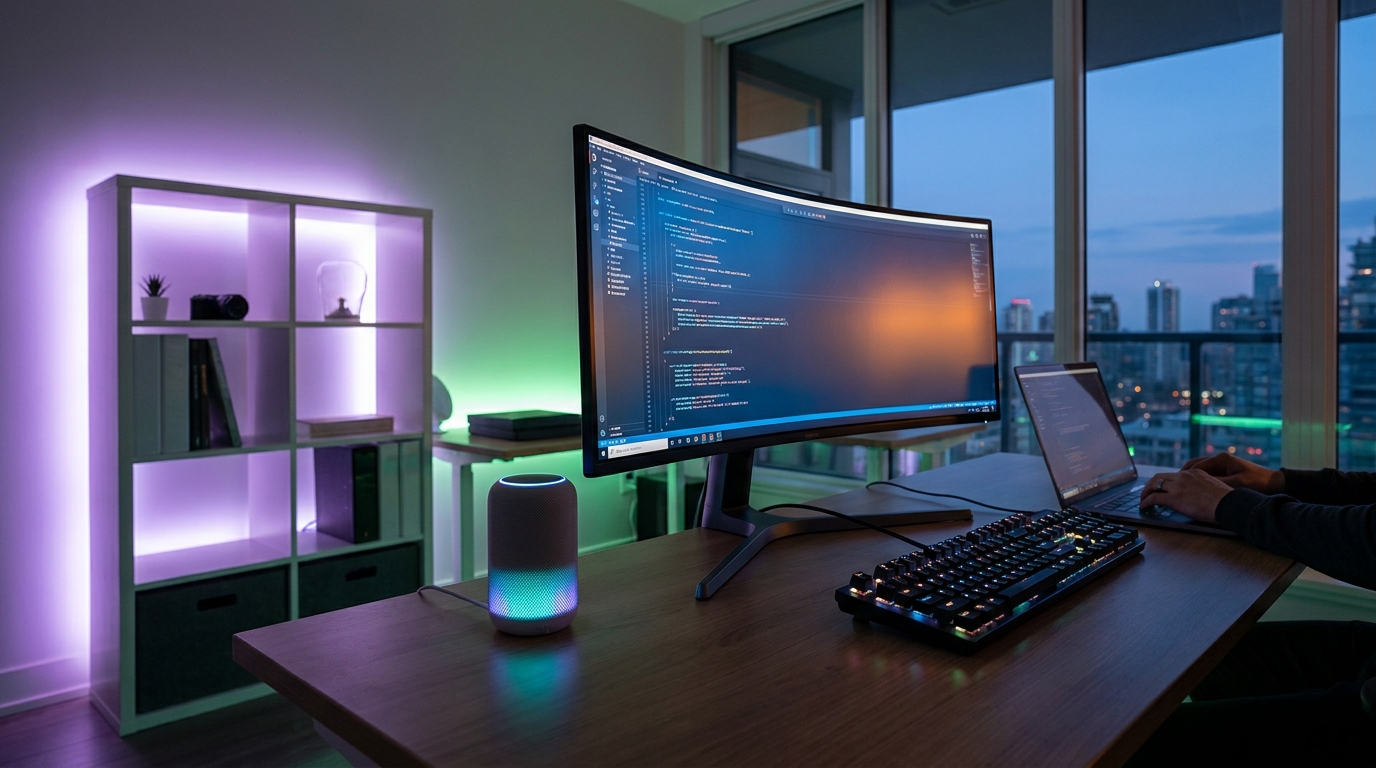
The Psychology of 3D Design: How Immersive Visuals Improve User Trust
What makes a user trust your website? While trust-building has traditionally relied on factors like testimonials or security badges, 3D design introduces a new dimension by leveraging human psychology. By engaging users on a sensory and emotional level, immersive visuals can create instant credibility and connection.
Why Trust Matters in Web Design
Trust isn't just a nice-to-have; it's a conversion driver. According to a Nielsen study, 73% of users are more likely to purchase from a website they find trustworthy. Trust influences:
!the psychology of 3d design how immersive visuals improve user trust, industry
- Whether users stay on your site or bounce within seconds
- Conversion rates, especially for purchases or form submissions
- Customer loyalty and repeat visits
How 3D Design Builds Emotional Connections
3D design engages multiple senses, making users feel more involved and present. This is rooted in a psychological concept called the vividness effect, which states that vivid imagery is more memorable and persuasive than static text or 2D visuals.
Key Psychological Principles at Play
- Immersion: When users feel part of an environment, they perceive it as more real and credible.
- Control: Interactive 3D elements, like product configurators, give users a sense of agency, which boosts confidence in their choices.
- Novelty: Unique designs activate curiosity, encouraging users to explore further.
The Role of Micro-Animations in Trust
Small, subtle movements, known as micro-animations, play a significant role in 3D design. They signal responsiveness and attention to detail, both of which users subconsciously associate with trustworthiness.
- Buttons with hover effects make interactions feel intuitive.
- Loading animations reduce frustration and communicate that the system is working.
- Scroll-driven animations guide users through content naturally, as explored in our scroll-driven animations guide.
Real-World Examples of 3D Design Enhancing Trust
1. Healthcare Websites
Clinics and hospitals often struggle to make patients feel comfortable online. 3D walkthroughs of facilities or animated explainer videos about procedures can create a calming, trustworthy experience. Learn more about healthcare web design strategies here.
2. E-Commerce
Brands like IKEA use 3D room planners to let customers visualize products in their homes. This bridges the gap between online and in-store shopping, fostering confidence in purchase decisions.
3. Real Estate
Virtual property tours allow buyers to explore homes remotely. Indian real estate brands have seen faster sales cycles and higher buyer satisfaction with these features.
Best Practices for Using 3D Design to Build Trust
While 3D design offers immense potential, execution is key. Poorly implemented visuals can do more harm than good. Here are some best practices:
- Prioritize Speed: Use lightweight 3D models and lazy loading to ensure fast load times. Optimize your 3D website’s speed to prevent losing users.
- Ensure Accessibility: Make sure your 3D elements are accessible to users with disabilities. Accessibility is now a business advantage.
- Keep It Relevant: Only use 3D elements that serve a clear purpose, such as product demonstrations or interactive maps.
Tools to Get Started
- Use platforms like Draftly to create cinematic, scroll-driven 3D websites without coding.
- Test your designs with heatmaps to understand user behavior. Learn how to use heatmaps effectively.
- Apply micro-animations strategically to keep users engaged without overwhelming them.


