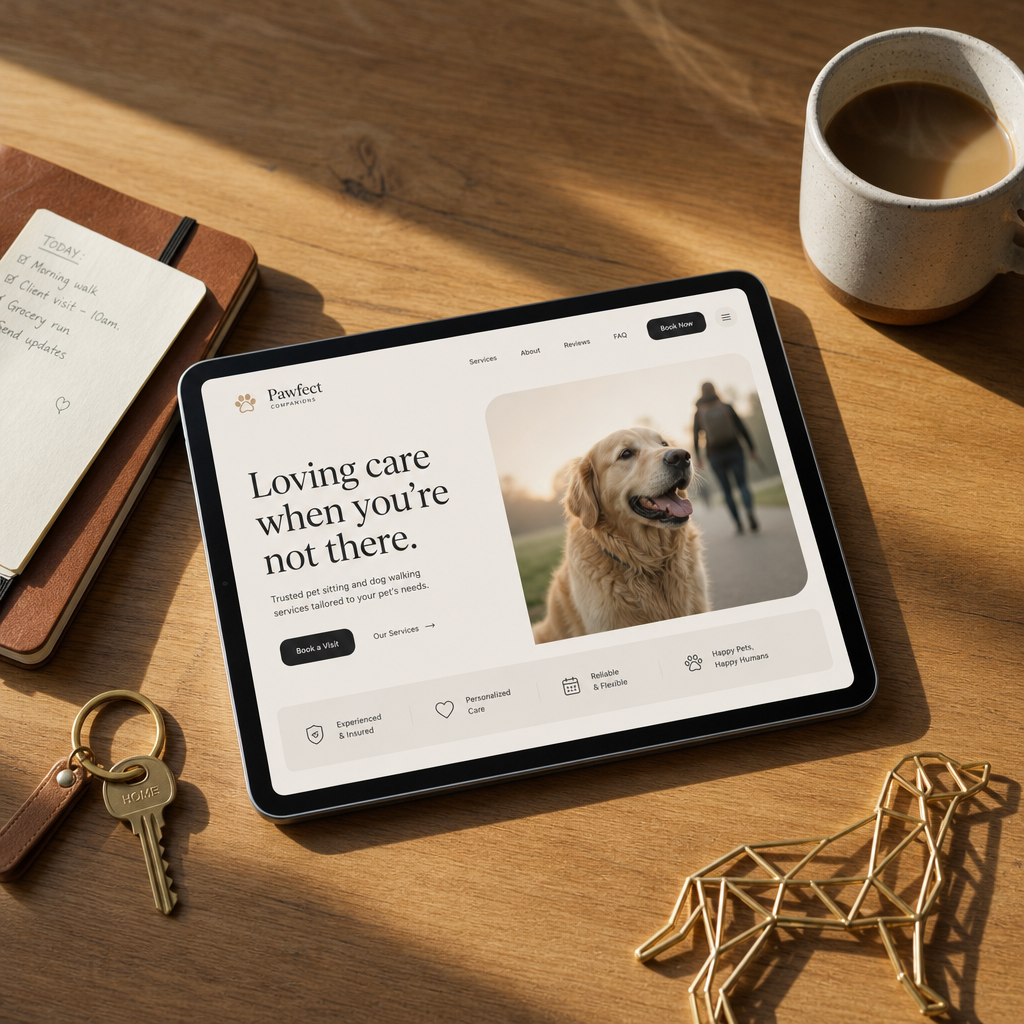
How Pet Sitters Use AI Websites to Streamline Trust-Building with Clients
Building trust is the cornerstone of a successful pet sitting business. Pet owners are looking for reliable caretakers who can guarantee their furry friends' safety and well-being. Many pet sitters are now turning to AI-powered websites to create engaging, transparent, and personalized experiences for clients. With 3D designs, real-time communication tools, and data-backed insights, these platforms are transforming the way pet sitters establish their credibility.
Why Trust Matters in Pet Sitting
Pet sitting isn’t just a service; it’s a relationship built on reliability and care. When pet owners entrust their pets to a sitter, they’re handing over what often feels like a family member. This makes trust-building paramount for success.
!how pet sitters use ai websites to streamline trustbuilding with clients, industry
- 86% of pet owners say they would only hire sitters with a professional online presence.
- 72% of clients prefer sitters who provide detailed profiles, including certifications and client testimonials.
- Transparent communication, such as regular updates, is cited by 64% of pet owners as a key factor in their trust.
How AI Websites Enhance Trust-Building
AI websites built with platforms like Draftly offer pet sitters tools to create visually stunning and highly functional sites tailored to their unique needs. Here’s how these features help build trust:
Personalized Profiles and Certifications
AI websites allow pet sitters to craft interactive profiles that highlight their qualifications, certifications, and experience. For example:
- Use AI tools to generate a visually engaging timeline of your experience.
- Embed badges for certifications like Pet First Aid or Dog CPR.
- Showcase videos or 3D portfolios of your work, similar to how freelance fashion designers use AI websites to demonstrate their craft.
Client Reviews as Social Proof
Trust is often rooted in social proof, and AI websites excel at showcasing client testimonials in compelling ways:
- Create a dynamic carousel of reviews, featuring quotes from happy clients.
- Use AI analytics tools to highlight trends in client satisfaction, which you can share on your site. Learn more about these tools in our guide on 3D AI website analytics.
- Encourage clients to leave reviews directly on your website using integrated AI feedback forms.
Real-Time Communication
AI websites can be equipped with 3D AI chatbots that enable instant communication with potential clients. These bots answer common questions about your services, pricing, and availability. For example, Indian startups are already leveraging AI chatbots for customer support with great success.
Creating Emotional Connections Through Storytelling
Pet owners connect with authenticity and emotional stories. AI websites can help pet sitters create cinematic, scroll-driven experiences that showcase their passion for animal care.
Leverage 3D Storytelling
Using 3D AI technology, pet sitters can craft immersive narratives:
- Share heartwarming stories of pets you’ve cared for using interactive timelines.
- Feature videos of your interactions with animals, showing your empathy and skills.
- Use AI tools to create a “day in the life” experience, helping clients visualize their pets’ care.
Visual Transparency and Updates
Another key feature of AI websites is their ability to provide photo and video updates. Pet sitters can set up automated systems to share updates with clients in real-time, offering peace of mind.
- Create private client dashboards where pet owners can see their pet’s daily routine.
- Automate updates to include pictures and notes through AI-powered scheduling tools.
- Use geolocation tools to provide live tracking, showing where their pet is during outings.
Building Long-Term Relationships with Data Insights
AI websites don’t just focus on trust-building during the onboarding process; they also help pet sitters maintain long-term relationships. With data analytics tools, sitters can:
- Track client preferences, such as pet dietary needs or favorite activities.
- Offer personalized services based on past interactions.
- Identify trends in client behavior to improve service offerings.


