How Gamification Features in 3D Websites Improve Customer Engagement in Retail
Gamification is no longer just for games—it's a powerful tool for retail brands to spark customer engagement, especially when combined with 3D website design. Adding interactive, game-like elements to a 3D shopping experience can increase session time by up to 47% and drive sales conversions by 30% (source: Statista). But how does it work, and why should your retail brand care?
Why Gamification Works in Retail
Gamification taps into core psychological motivators like rewards, competition, and curiosity. When integrated into 3D websites, these elements create a more immersive and engaging experience compared to flat, traditional sites. A well-designed gamified 3D retail site offers:
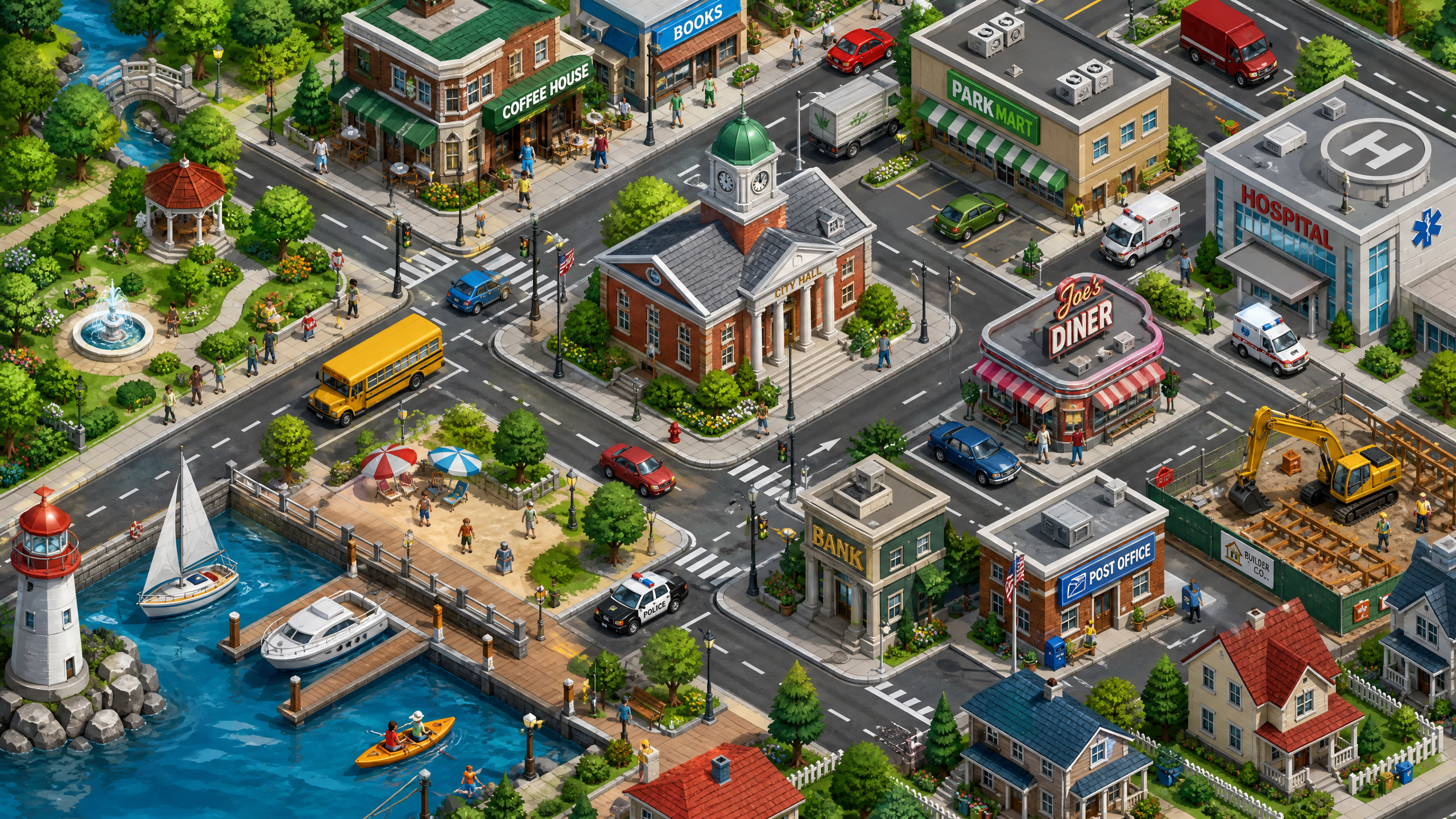
!how gamification features in 3d websites improve customer engagement in retail, industry
- Higher customer retention: Gamified rewards systems can increase loyalty by 22%.
- Interactive storytelling: 3D elements make brand stories more dynamic and memorable.
- Increased dwell time: Engaging features like spin-to-win wheels or scavenger hunts extend user sessions.
Key Gamification Features for 3D Retail Websites
1. Interactive Rewards Programs
Loyalty programs are more effective when they feel like a game. 3D websites can feature interactive dashboards showing points earned, levels unlocked, and personalized rewards.
- Sephora’s 3D Beauty Insider interface uses gamified tiers to encourage repeat purchases.
- Brands using interactive loyalty features see a 15-20% boost in repeat customers.
2. Virtual Try-Ons with Challenges
Virtual try-ons are a staple of 3D retail websites, but gamification takes them further. For example:
- Users try on outfits virtually.
- They share their looks on social media for points or discounts.
- The most-shared outfits win exclusive prizes.
3. Scavenger Hunts in 3D Environments
Retailers can create virtual scavenger hunts within their 3D stores. Customers explore the site to find hidden items, earning rewards or discounts upon completion.
- A 2022 Shopify study found that gamified scavenger hunts increased cart sizes by 18%.
- How 3D AI Websites Are Transforming Consultant Project Pitches shares similar insights on interactive storytelling.
Real-World Examples of Gamification in 3D Retail
Starbucks Rewards in 3D
Starbucks integrated 3D gamification into its app with the “Starland” campaign. Users explored a 3D world to collect stars, earning free drinks and exclusive merchandise. The result? A 19% increase in mobile orders.
IKEA’s Virtual Showroom
IKEA’s 3D website allows customers to design rooms using AR and participate in design challenges. Users who submit the best designs receive discounts, driving both engagement and purchases.
Building Gamified 3D Websites: Best Practices
Creating a gamified 3D retail website isn’t about adding gimmicks—it’s about enhancing the user journey. Here's how to do it effectively:
Start with Customer Personas
Understand what motivates your audience. Are they competitive? Reward-driven? Use these insights to design gamified features.
Leverage AI for Personalization
AI-driven 3D websites can tailor gamified experiences to individual users. For example, A Deep Dive into 3D AI Website Analytics Tools for Data-driven Decisions explains how analytics can optimize user engagement.
Keep Rewards Meaningful
Avoid generic discounts. Offer rewards that align with your brand identity, such as exclusive products or early access to new collections.
Optimize for Mobile
Mobile users account for 58% of retail website traffic. Ensure your gamified 3D website is mobile-friendly to capture this audience.
Benefits of Gamified 3D Websites for Retailers
- Increased engagement: Gamification boosts interactivity, making users 32% more likely to return.
- Higher conversions: Immersive features guide users toward completing purchases.
- Stronger brand loyalty: Gamification fosters emotional connections with your brand.