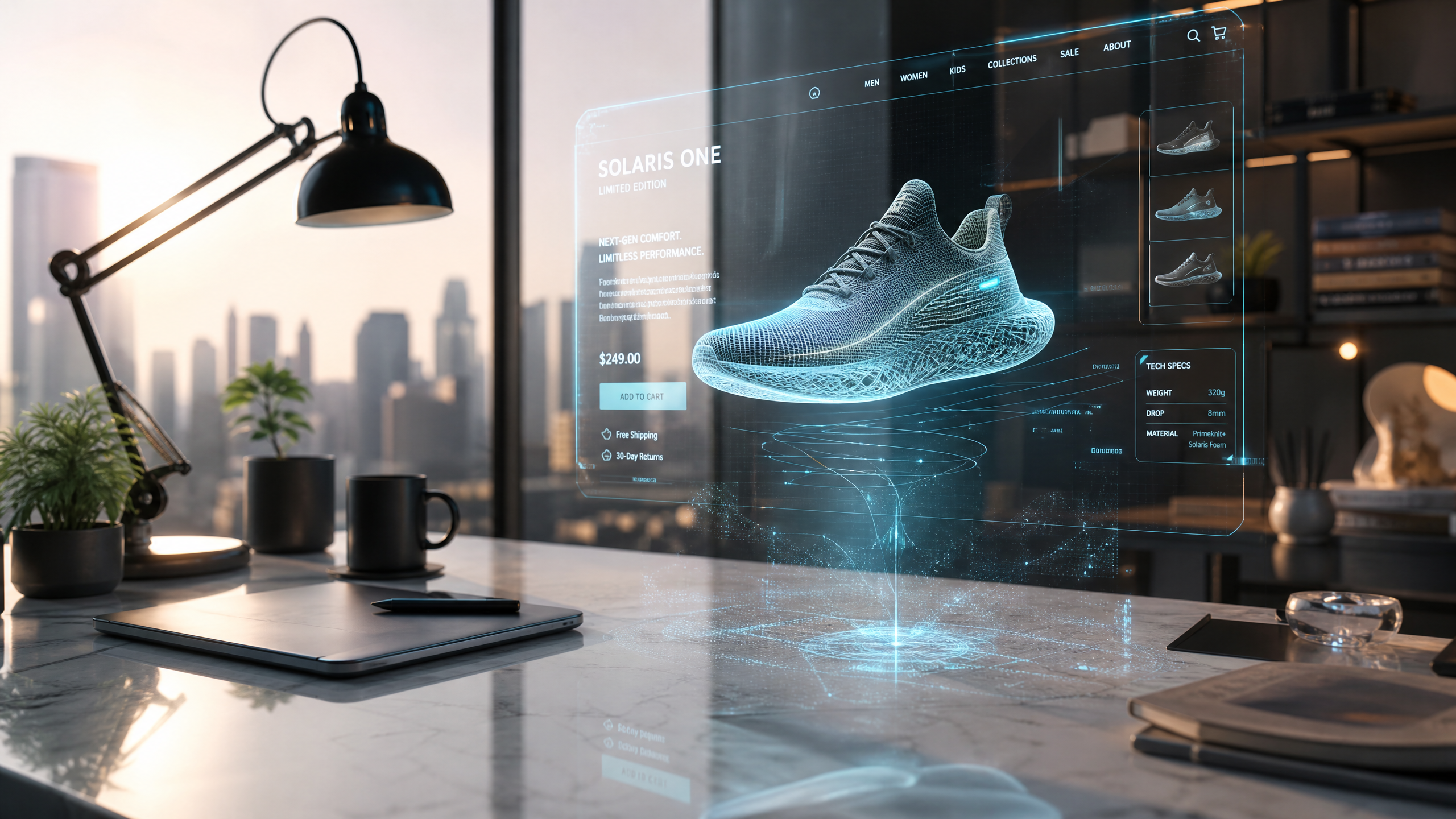
The Future of AI-Generated 3D eCommerce Websites: Trends for 2027
AI is poised to revolutionize 3D eCommerce websites over the next five years. By 2027, we predict a dramatic evolution in how brands use AI-generated 3D designs to create visually immersive, hyper-personalized online shopping experiences. This article dives into the trends shaping this future—and the challenges that innovators must overcome.
Why 3D AI Websites Are the Next Frontier for eCommerce
Traditional eCommerce websites lack the sensory depth to emotionally engage shoppers. AI-powered 3D websites address this gap by creating virtual spaces that feel cinematic, interactive, and lifelike. According to a 2023 survey by Shopify, 71% of consumers prefer shopping on platforms offering AR/VR or 3D visuals. The future isn’t just about selling products—it’s about designing experiences.
!the future of aigenerated 3d ecommerce websites trends for 2027, industry
- AI-generated 3D content reduces production time by up to 80%, enabling faster prototyping and deployment.
- With Draftly and similar platforms, businesses can create scroll-driven, cinematic websites in minutes.
- Retailers using 3D and AR technology report a 94% higher conversion rate compared to static websites.
Key Trends Shaping AI-Generated 3D Websites by 2027
1. Hyper-Personalization at Scale
By 2027, AI algorithms will enable eCommerce sites to dynamically adapt to individual user preferences. Imagine a virtual store where every product display, texture, and layout is customized in real time based on your behavior.
- McKinsey data shows personalization can drive a 10-15% increase in revenue.
- AI-generated 3D websites will use customer data to adjust lighting, angles, and even storytelling elements.
- Platforms like Draftly already showcase how 3D storytelling transforms consultant pitches into engaging narratives.
2. Seamless AR/VR Integration
Augmented and virtual reality will no longer be optional add-ons. Fully immersive shopping experiences will become the standard by 2027.
- Consumers will virtually “walk” through 3D stores, interact with products, and make purchases without leaving their homes.
- AR overlays will allow users to visualize furniture, apparel, and decor within their personal spaces.
- Retailers like IKEA and Sephora have already reported AR-driven sales growth exceeding 30%.
Challenges to Overcome
While the future is promising, hurdles remain for widespread adoption of AI-generated 3D websites:
- Cost barriers: High-quality 3D rendering and AR tech remain resource-intensive.
- Device compatibility: Many users still rely on older devices, limiting their ability to access advanced 3D content.
- Learning curve: Businesses new to AI tools may struggle with implementation without platforms like Draftly simplifying the process.
Predictions for 2027
By 2027, we anticipate several milestones:
- AI-generated 3D websites will power 50% of global eCommerce platforms.
- Small businesses will dominate niche markets through affordable AI tools that democratize access to 3D design.
- The rise of green 3D eCommerce, where brands leverage AI to showcase sustainable practices with virtual transparency.
How to Prepare for the AI-Driven 3D Future
Steps for Retailers:
- Invest in AI platforms: Adopt tools like Draftly to simplify 3D website generation.
- Embrace AR/VR early: Start integrating AR product previews to build consumer trust.
- Focus on storytelling: Use AI to create immersive narratives that resonate emotionally with your audience.
Steps for Developers:
- Optimize for cross-device compatibility to ensure accessibility for all users.
- Build AI models that prioritize energy efficiency to align with sustainability goals.
- Collaborate with businesses in high-impact sectors like education and healthcare for broader adoption.