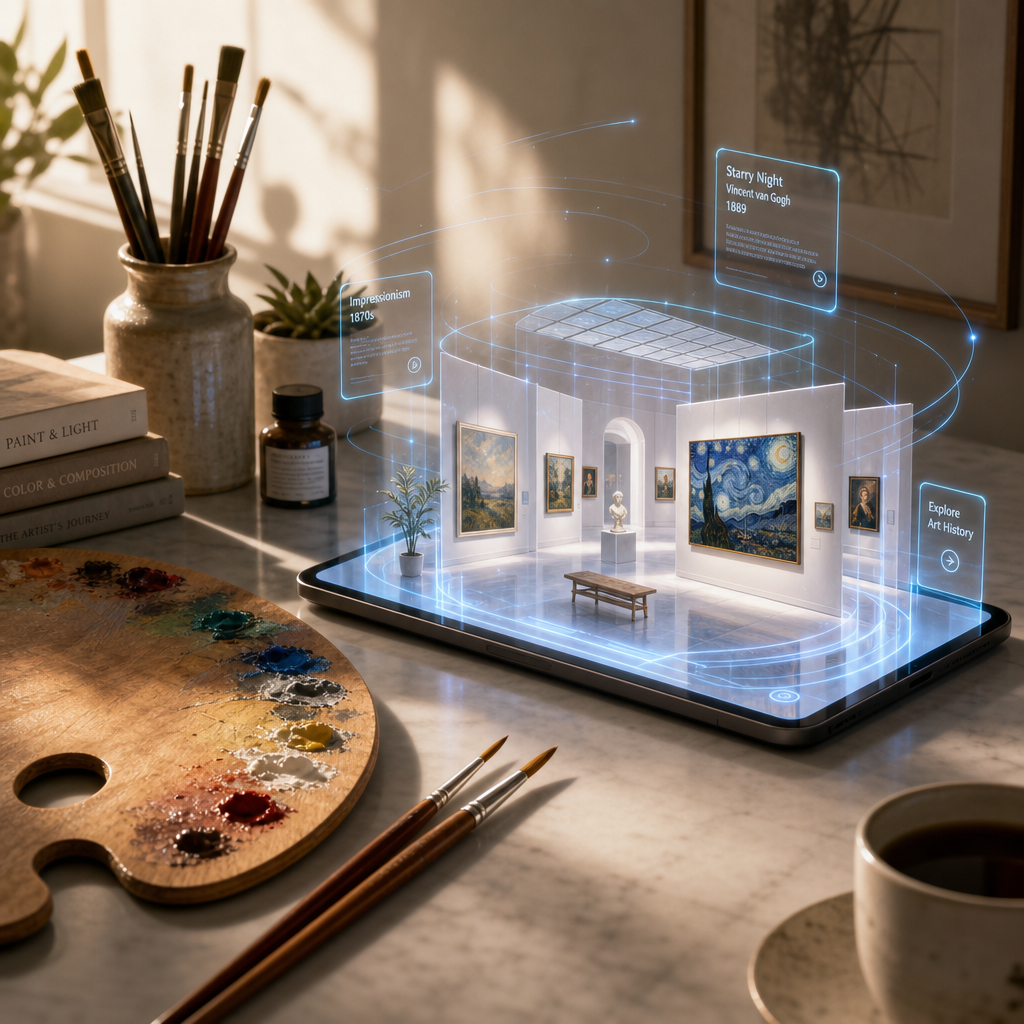
How Artists Can Use AI Websites to Showcase Virtual Galleries and Sell Artwork
Imagine an emerging artist, Priya, who has spent years crafting intricate oil paintings. Despite her talent, her digital presence doesn't capture the magic of her art. Flat images on social media fail to evoke the depth, texture, and story behind her creations. Priya faces an all-too-common challenge: how to showcase her work in a way that truly resonates—and sells.
Enter AI-powered websites, a solution that transforms the way artists like Priya present their work to the world. These cinematic, 3D-driven platforms combine aesthetics with functionality, creating virtual galleries that captivate audiences and drive sales.
Challenges Artists Face in Selling Artwork Online
The digital space is both a blessing and a barrier for artists. While it offers global reach, it’s saturated with competition.
!how artists can use ai websites to showcase virtual galleries and sell artwork, industry
- Lack of immersive presentation: Traditional websites and social media often flatten the experience of art. Viewers miss out on texture, scale, and depth.
- Low engagement rates: A static gallery page can struggle to hold attention. The average bounce rate for art websites is around 45%, according to industry data.
- Limited storytelling options: Artworks often tell a story, but artists are forced to rely on captions or blog posts for context.
How AI Websites Revolutionize Virtual Galleries
AI websites leverage cutting-edge tools like 3D rendering, interactive storytelling, and scroll-driven designs to create virtual galleries that elevate user engagement. Here’s how they work:
- Cinematic 3D experiences: Platforms like Draftly allow artists to display their work in lifelike, scroll-driven galleries. Paintings and sculptures can appear as if they’re exhibited in a curated space, complete with lighting effects and spatial context.
- Personalized viewer pathways: AI algorithms can dynamically adapt the website layout based on user preferences, showcasing pieces in themes or styles that resonate with viewers.
- Integrated e-commerce: Artists can embed seamless payment gateways directly into their galleries, making it easy for customers to purchase their favorite pieces.
Step-by-Step Guide to Creating an AI Virtual Gallery
- Choose an AI website builder: Opt for platforms that specialize in 3D design, like Draftly.
- Upload high-resolution artwork: Ensure your files are optimized for detail and clarity.
- Customize your gallery space: Use AI tools to adjust lighting, layout, and interactivity.
- Add storytelling elements: Include audio descriptions, artist notes, or videos for context.
- Integrate sales features: Enable cart functionality and offer multiple payment options.
Success Stories: Artists Thriving with AI Websites
Take the example of Ravi, a digital artist specializing in surreal landscapes. After switching to an AI-powered website:
- His bounce rate dropped from 52% to 24%, as visitors stayed longer to interact with his 3D gallery.
- Sales increased by 40%, thanks to integrated purchase options and immersive presentation.
- He attracted a global audience, with 60% of traffic coming from international markets.
Practical Tips for Artists Transitioning to AI Websites
- Focus on user experience: Prioritize intuitive navigation and visually compelling layouts.
- Leverage analytics: Use AI-powered analytics tools to understand visitor behavior and optimize your gallery. A deep dive into analytics tools can provide valuable insights.
- Promote your gallery: Share it on social media, add a newsletter sign-up, and collaborate with art influencers.
Advanced Features to Explore
Artists can push boundaries further by using features like:
- Virtual reality (VR) compatibility: Allow viewers to experience your gallery in VR for unparalleled immersion.
- Dynamic recommendations: AI can suggest related artworks based on visitor preferences.
- Live events integration: Host virtual gallery openings with embedded live streams.


