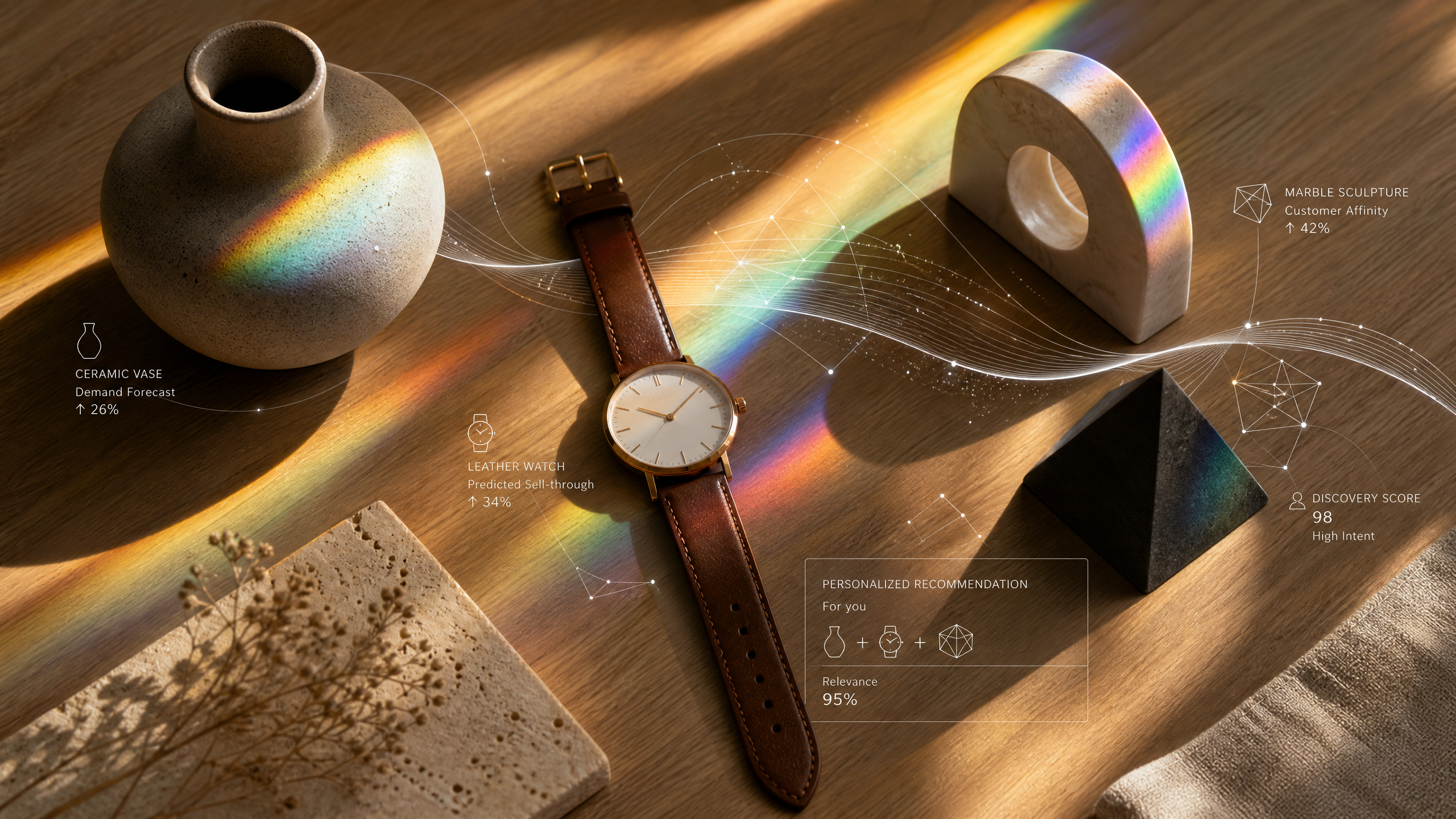
Why AI Websites Improve Product Discoverability for Online Marketplaces
Online marketplaces live or die by one metric: product discoverability. If users can’t find what they need quickly, they leave—taking your sales potential with them. AI-powered websites are revolutionizing how marketplaces solve this challenge, combining personalization, predictive analytics, and immersive experiences to supercharge discoverability.
Personalization Drives Better Product Matches
The days of static product pages are over. AI websites harness dynamic algorithms to deliver personalized shopping experiences that feel tailor-made for each user. This is not just a luxury—it’s a necessity in competitive markets.
!why ai websites improve product discoverability for online marketplaces, industry
- 70% of consumers expect personalized online experiences, according to McKinsey.
- AI websites analyze browsing behavior, purchase history, and preferences in real time, showing users products they’re most likely to buy.
- For example, marketplaces like Etsy use AI to recommend niche crafts tailored to your interests, boosting conversion rates by up to 20%.
Predictive Analytics: Anticipating Customer Needs
AI websites don’t just react to user behavior—they predict it. By analyzing patterns across thousands (or millions) of data points, they surface products before users even search for them.
How Predictive Analytics Works
- AI studies user data, such as search queries or time spent on product categories.
- It identifies trends—e.g., seasonal buying patterns or emerging product preferences.
- It suggests products or bundles likely to resonate with the user.
Immersive Design Captures Attention
Discoverability isn't just about algorithms; it’s also about visual engagement. AI websites often utilize cinematic, scroll-driven designs to guide users through a narrative journey, making product exploration as enjoyable as it is effective.
- Immersive 3D elements allow users to interact with products in real-time, creating a virtual shopping experience.
- Scroll-based storytelling increases session duration by an average of 22%, as reported by Think with Google.
- For marketplaces selling high-touch items like fashion or furniture, 3D design is a game changer. Why 3D AI Portfolios Are a Game-Changer for Freelance Indian Fashion Designers highlights how visually immersive features enhance user engagement.
Real-World Impact: Case Studies
Fashion Marketplaces
Imagine browsing a virtual boutique where dresses are displayed in 360-degree views. AI websites make such experiences possible, allowing users to mix and match outfits, view size recommendations, and even visualize themselves wearing the clothes through augmented reality. ASOS, for instance, reported a 15% increase in conversion rates after rolling out similar features.
Niche Marketplaces
Platforms like Reverb, which specialize in musical instruments, thrive on making it easy for users to discover rare, vintage, or brand-new gear. AI websites help these marketplaces by surfacing the right products to the right audience, using data to predict what users will search for next. This approach is similar to 3D AI's Impact on Indian Music Streaming Platforms, where predictive tools enhance content discoverability.
Overcoming Common Discoverability Challenges
Even with advanced tools, online marketplaces face several hurdles. AI websites address these challenges head-on:
- Challenge 1: Overwhelming Product Catalogs
- Challenge 2: High Bounce Rates
- Challenge 3: Static User Journeys
How 3D AI Websites Are Transforming Consultant Project Pitches dives deeper into how interactivity can transform user engagement in other industries.
How to Start with AI Websites for Your Marketplace
If you’re ready to upgrade your marketplace’s discoverability with AI, here’s a quick roadmap:
- Audit Your Current Website
- Choose the Right AI Tools
- Focus on Mobile Optimization
- Measure and Iterate