The Role of AI in Personalizing 3D Content Across User Demographics
Personalization isn’t just a buzzword—it’s a necessity. In an online world where 71% of consumers expect tailored experiences, AI-driven 3D content personalization has emerged as a game-changer. By adapting to cultural, age, and behavioral differences, AI makes 3D experiences more relevant than ever. But how does it pull this off?
Why Personalization Matters in 3D Experiences
For brands, personalization drives engagement and loyalty. For users, it ensures relevance. Here’s why AI’s role in 3D content personalization is pivotal:
!the role of ai in personalizing 3d content across user demographics, industry
- Consumer expectations are rising: A Salesforce study found 84% of customers want to be treated like individuals, not segments.
- Diverse demographics demand nuanced experiences: Millennials, Gen Z, and Baby Boomers all interact differently with 3D interfaces.
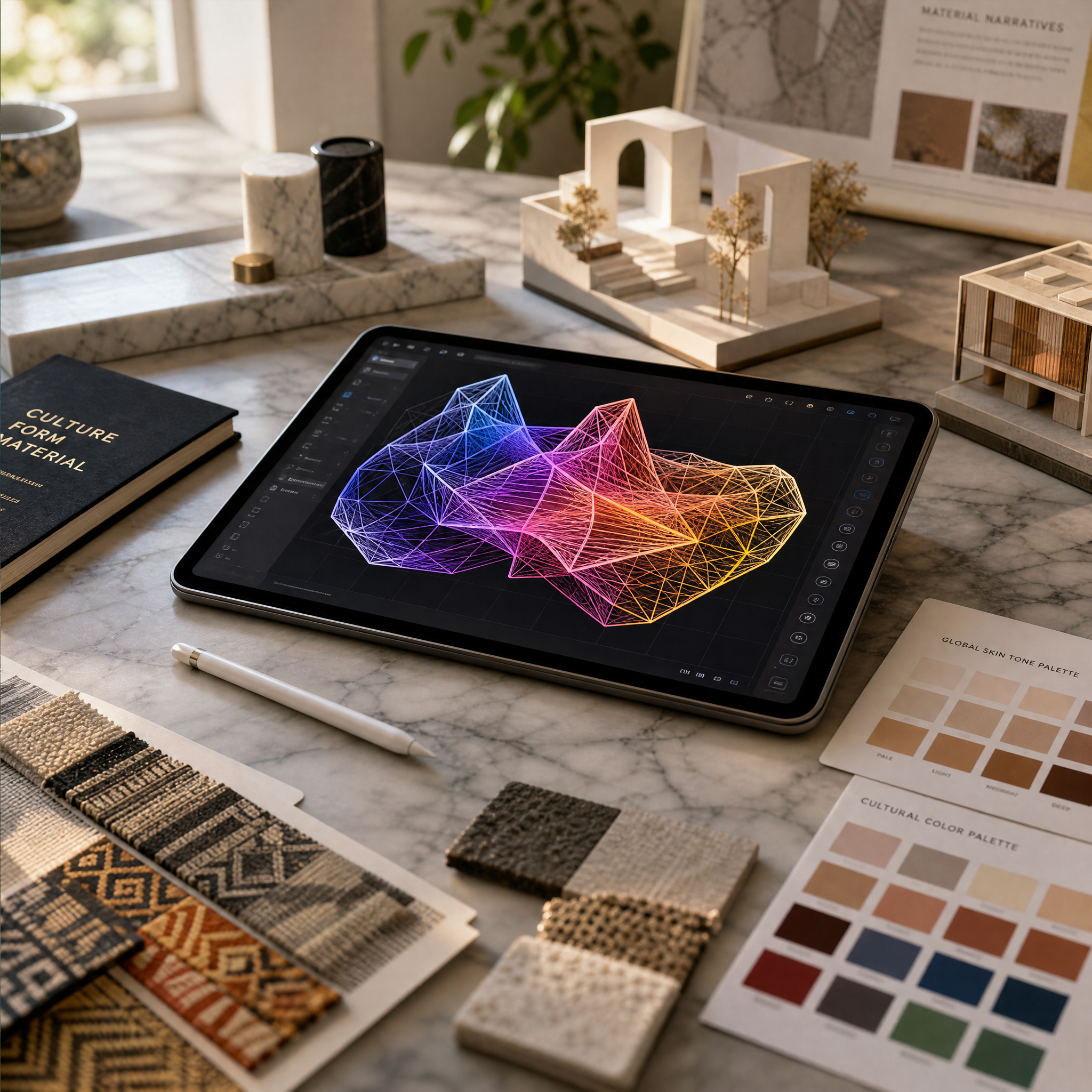
- AI bridges cultural gaps: From color palettes to language localization, AI dynamically adapts to user backgrounds.
How AI Tailors 3D Content Across Demographics
AI uses a mix of data analysis, machine learning models, and real-time adaptation to personalize 3D content. Here’s how it works:
Demographic-Based Customization
AI segments users by age, gender, location, and cultural background. This allows content to be hyper-relevant:
- Age-specific design: Younger users might prefer interactive, gamified 3D interfaces, while older users value simplicity.
- Cultural alignment: AI adjusts visual elements and language. For example, Indian social enterprises using 3D AI websites often integrate cultural motifs to resonate with local audiences.
- Accessibility features: AI-powered 3D content can include features like larger fonts and voice navigation for users with disabilities.
Behavioral Adaptation
AI tracks user interactions to refine experiences dynamically:
- Personalized recommendations: For instance, 3D AI chatbots in Indian startups adapt responses based on user behavior.
- Dynamic storytelling: Platforms like Draftly use AI to create scroll-driven narratives that evolve based on user input.
- Habit learning: AI remembers user preferences, offering a seamless experience over time.
Real-World Example: Music Streaming Platforms
3D AI’s impact on Indian music streaming platforms demonstrates how AI personalizes at scale. By analyzing listening habits, it suggests playlists tailored to regional languages, preferred genres, or even mood-based themes.
The Technology Behind AI-Driven 3D Personalization
What powers this level of customization? Several AI technologies work in tandem:
- Natural Language Processing (NLP): Enables AI to understand and localize content in different languages.
- Computer Vision: Analyzes user gestures and interactions in immersive 3D environments.
- Predictive Analytics: Anticipates user needs based on historical data.
The Benefits of 3D AI Personalization for Businesses
Integrating AI into 3D content isn’t just innovative—it’s strategic. Businesses leveraging personalized 3D experiences see measurable results:
- Higher engagement rates: Personalized 3D interfaces can achieve 2x the interaction time compared to static ones.
- Improved conversion rates: A McKinsey report shows personalization boosts sales by 10-15%.
- Stronger loyalty: Tailored experiences keep users coming back, reducing churn.
Case Study: Wildlife Tourism
3D AI web design in Indian wildlife tours highlights this vividly. By using AI to create custom wildlife itineraries based on user preferences, these platforms have seen a 20% increase in bookings.
Challenges and Ethical Considerations
While AI enables impressive personalization, it’s not without challenges:
- Data privacy concerns: Users need assurance that their data is secure.
- Avoiding bias: AI must be trained to avoid perpetuating cultural or demographic stereotypes.
- Cost barriers: Custom AI solutions can be expensive for smaller businesses.