How AI-Driven 3D Design Simplifies Website Creation for Multi-Location Businesses
Creating websites for multi-location businesses has traditionally been a costly and time-intensive process. With AI-driven 3D design, companies can now build immersive, location-optimized websites in minutes—saving up to 40% in development costs while enhancing user engagement and local SEO rankings.
The Challenges of Multi-Location Website Creation
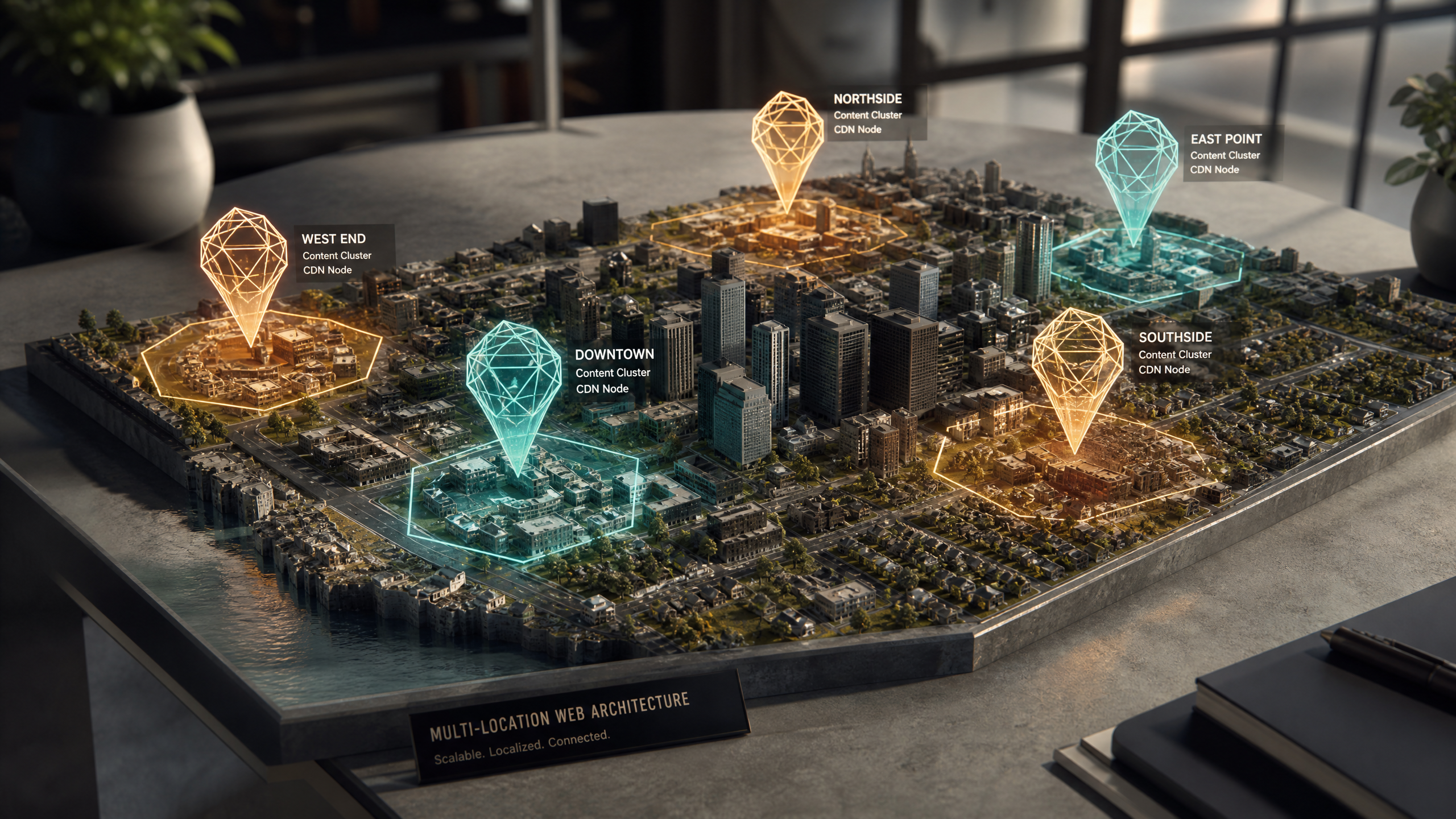
Whether you’re running a retail chain, restaurant franchise, or service provider with branches across cities, managing websites for multiple locations can be a logistical nightmare. Each site needs:
!how aidriven 3d design simplifies website creation for multilocation businesses, industry
- Location-specific content and branding
- Consistent design that aligns with the overarching brand
- Local SEO optimization to rank for geo-specific keywords
How AI-Driven 3D Design Streamlines the Process
AI-driven 3D design tools like Draftly transform website creation by automating and personalizing the design process. Here’s how it simplifies multi-location websites:
Hyper-Personalization for Local Audiences
AI algorithms analyze customer data and generate location-specific visuals, text, and layouts tailored to each branch. For example:
- A restaurant franchise can feature unique menus for each location while maintaining brand consistency.
- Retail stores can showcase local inventory based on consumer demands.
- Service providers can highlight reviews and testimonials specific to a branch.
Consistent Branding Across Locations
AI ensures that every website under the multi-location umbrella adheres to brand guidelines, such as:
- Uniform color schemes and typography
- Consistent navigation structure
- Cohesive storytelling that ties all locations to the parent brand
Improved Local SEO
AI-powered tools can optimize websites for hyper-local keywords and structured data automatically. For instance:
- Adding location-specific metadata enhances visibility in search results.
- Incorporating local customer reviews improves trust and engagement.
- Dynamic maps and store locators make it easier for users to find nearby locations.
Real-World Use Cases
Retail Chains
An apparel chain with 50+ stores used AI-driven 3D design to build unique pages for each location. As a result:
- Development costs were reduced by 35%
- Pages ranked 25% higher for local search queries
- Customer engagement increased by 22% due to interactive 3D elements
Healthcare Providers
A multi-location dental practice adopted AI-driven web design to create branch-specific sections featuring:
- Local dentist profiles
- Appointment scheduling tailored to each clinic
- Testimonials from patients in the area
Why Choose AI-Driven 3D Design?
Faster Go-to-Market
Traditional website creation can take months. With AI tools like Draftly, websites can be generated in under an hour. This rapid development allows businesses to quickly respond to market changes or open new locations.
Cost Efficiency
By automating repetitive tasks such as template creation, content generation, and SEO optimization, businesses can save significant resources. A study by Deloitte found that implementing AI can reduce operational costs by 25-40% in digital projects.
Enhanced User Experience
3D design elements—like scroll-driven animations, interactive maps, and dynamic visuals—create a captivating user experience. This is particularly valuable for industries relying on engagement, such as hospitality and retail.
Getting Started with AI-Driven 3D Design
Steps to Implement AI-Driven Website Design
Follow these steps to simplify the process:
- Define Goals: Identify what each location needs (e.g., local SEO, personalized services).
- Leverage AI Tools: Use platforms like Draftly to automate design and content creation.
- Focus on Local SEO: Integrate tools for keyword optimization and location-based search rankings.
- Test and Optimize: Use AI analytics tools to track performance and refine.