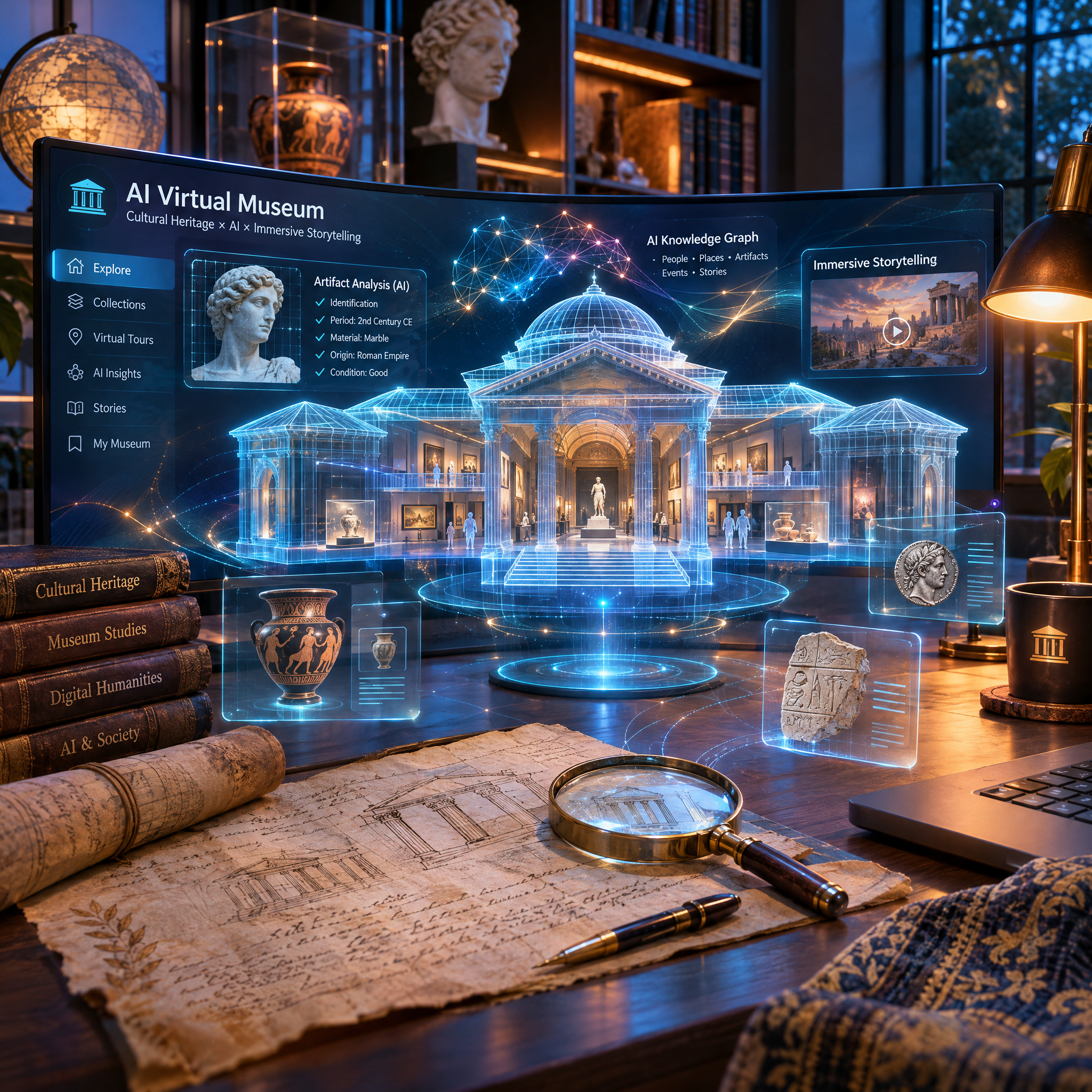
The Role of AI-Powered 3D Websites in Creating Immersive Virtual Museum Experiences
Museums are no longer bound by physical walls. With AI-powered 3D websites, cultural institutions can now offer immersive virtual experiences that rival in-person visits. These platforms combine storytelling, interactivity, and accessibility, allowing users to explore art, history, and science like never before.
What Are AI-Powered 3D Websites?
AI-powered 3D websites are digital platforms that use artificial intelligence and 3D rendering to create highly interactive, visual environments. Unlike traditional 2D websites, they simulate depth, movement, and spatial interactivity, making virtual experiences more engaging. These websites can be built quickly using tools like Draftly's AI 3D website builder, which transforms a single prompt into cinematic, scroll-driven designs.
!the role of aipowered 3d websites in creating immersive virtual museum experiences, industry
For museums, this technology offers a unique way to digitize exhibits. Instead of static images, users can walk through virtual galleries, interact with artifacts, and even engage with AI-powered guides.
Why Virtual Museums Are Growing
The global virtual museum market is expected to grow at a CAGR of 16.5% from 2023 to 2030, driven by increased digital adoption and the need for remote accessibility. Key reasons behind this growth include:
- Accessibility: Virtual museums break geographical barriers, enabling global audiences to explore exhibits.
- Cost Efficiency: Hosting digital exhibits reduces the costs associated with maintaining physical spaces.
- Engagement: Interactive features like 3D tours and AI chatbots enhance visitor engagement and learning.
How AI-Powered 3D Websites Enhance Virtual Museum Experiences
AI-powered 3D websites bring several transformative features to virtual museums:
1. Realistic 3D Walkthroughs
These websites replicate the spatial experience of navigating a museum. Users can “walk” through galleries, zoom in on artifacts, and view items from multiple angles. This level of realism is particularly useful for showcasing intricate details in sculptures, paintings, or historical artifacts.
- Example: The British Museum’s virtual Parthenon exhibit allows users to examine the Elgin Marbles in 360°.
2. AI-Powered Personalization
AI algorithms analyze visitor behavior to offer personalized recommendations. For instance, if a user spends more time viewing Impressionist art, the website might suggest related exhibits or provide deeper insights into the genre.
- Example: The Smithsonian uses AI to curate custom virtual tours based on user preferences.
3. Interactive Storytelling
Rather than passively viewing exhibits, users can engage with interactive storytelling elements. AI chatbots can act as virtual guides, answering questions about artifacts or narrating historical contexts.
- AI chatbots, as explored in The Untapped Potential of 3D AI Chatbots in Indian Startups, are reshaping digital user interactions across industries.
4. Multilingual Accessibility
AI-powered language translation allows museums to cater to diverse audiences. Visitors can experience exhibits in their native language, breaking down linguistic barriers.
5. Data-Driven Analytics
AI tracks user interactions to provide museums with actionable insights. Metrics like time spent on specific exhibits or bounce rates can inform future content strategies. To dive deeper into analytics, read A Deep Dive into 3D AI Website Analytics Tools for Data-driven Decisions.
Real-World Examples of Success
The Vatican Museums
The Vatican Museums launched a 3D virtual tour featuring iconic works like the Sistine Chapel ceiling. Using AI and 3D rendering, visitors could explore every detail of Michelangelo’s masterpiece from their devices.
- Result: A 40% increase in global engagement and donations.
The National Museum of Modern and Contemporary Art, Korea
Through an AI-powered 3D platform, this museum allowed users to interact with contemporary installations virtually. The platform's AI recommendations increased exhibit dwell time by 25%.
Smaller Museums Going Global
Independent museums, like The Dali Theatre-Museum in Spain, have used AI-powered 3D websites to reach global audiences, achieving a 300% increase in digital ticket sales.
Implementing AI-Powered 3D Websites for Museums
Step 1: Choose the Right Technology
Select a platform like Draftly, which simplifies the creation of cinematic, scroll-driven websites. Ensure the tool supports 3D rendering, AI chatbots, and analytics.
Step 2: Digitize Collections
High-quality 3D scanning and modeling are essential. Use photogrammetry or laser scanning to replicate artifacts in detail.
Step 3: Create Interactive Features
Incorporate elements like clickable hotspots, guided tours, and AI-driven content recommendations to increase visitor engagement.
Step 4: Test and Optimize
Use analytics to monitor user interactions and refine the experience. Focus on improving load times and ensuring compatibility with mobile devices.


