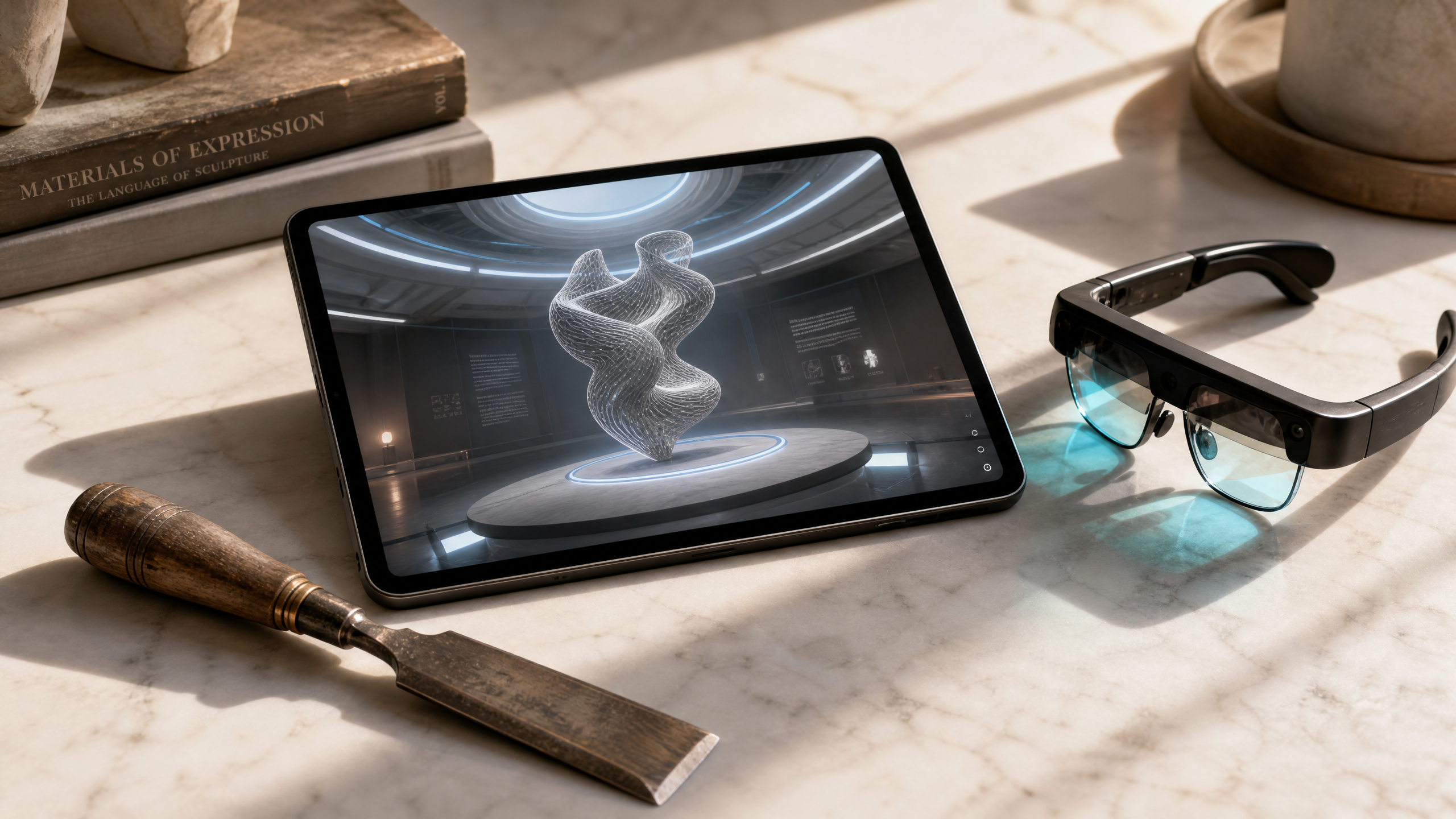
How Sculptors Use AI 3D Websites to Create Immersive Virtual Art Galleries
Imagine sculptors showcasing their creations not in physical galleries but in breathtaking virtual spaces designed to engage global audiences. With AI-powered 3D websites, this vision becomes reality. Sculptors are now using technology to craft interactive virtual art galleries that bring their work to life in ways unimaginable.
The Challenge: Limited Exposure for Physical Sculptures
Traditional galleries are often limited by physical space, local footfall, and operating costs. For many sculptors, these constraints mean their work struggles to reach broader audiences. Statistics show that over 60% of art buyers now search online before making a purchase, yet many sculptors lack the tools to present their work digitally.
!how sculptors use ai 3d websites to create immersive virtual art galleries, industry
- Physical exhibitions are expensive, costing an average of $5,000–$10,000 per event
- Global reach is nearly impossible without digital platforms
- Static websites fail to capture the dimensionality and texture of sculptures
The Solution: AI-Driven Virtual Galleries
AI-powered 3D websites offer sculptors a revolutionary way to present their art. These websites use advanced algorithms to create scroll-driven, cinematic experiences that mimic walking through an actual gallery. Through tools like Draftly, sculptors can easily convert their designs into immersive digital spaces.
Key Features of AI 3D Websites for Sculptors
- Dynamic Lighting and Views: AI enables realistic lighting effects that highlight textures and shadows, bringing sculptures to life.
- Interactive Storytelling: Scroll-driven narratives guide visitors through the gallery, enhancing engagement.
- Global Accessibility: Virtual galleries can reach an audience across continents, breaking physical barriers.
- Analytics Integration: Built-in website analytics tools help sculptors track visitor behavior and refine their presentations.
Real-World Transformation: Sculptors and AI
Take the example of Maya, a sculptor specializing in kinetic art. Before adopting AI, Maya relied on exhibitions in local art centers, attracting no more than 200 visitors per show. After creating a virtual gallery with AI 3D technology, her online space saw 3,000 monthly visitors from over 15 countries.
How Maya Achieved Success
- Using AI to Build Visual Depth: Maya uploaded high-resolution images of her sculptures, which Draftly converted into 3D visualizations with dynamic motion paths.
- Integrating Storytelling: She crafted a scroll-driven narrative that explained the inspiration and engineering behind each piece.
- Expanding Her Reach: Maya promoted her gallery via social media, linking visitors to her AI-powered website.
- 15x increase in audience reach
- 40% higher engagement rates compared to her static website
- 20% boost in artwork sales within 3 months
Benefits of AI 3D Websites for Sculptors
- Cost Efficiency: No need for recurring venue fees; virtual galleries cost as little as $50/month.
- Enhanced Engagement: Scroll-driven designs keep visitors engaged 3x longer than standard websites.
- Accessibility: Interactive designs for art therapists show similar results for online art-based platforms.
- Data Insights: Sculptors can analyze visitor preferences and shape their storytelling accordingly.


