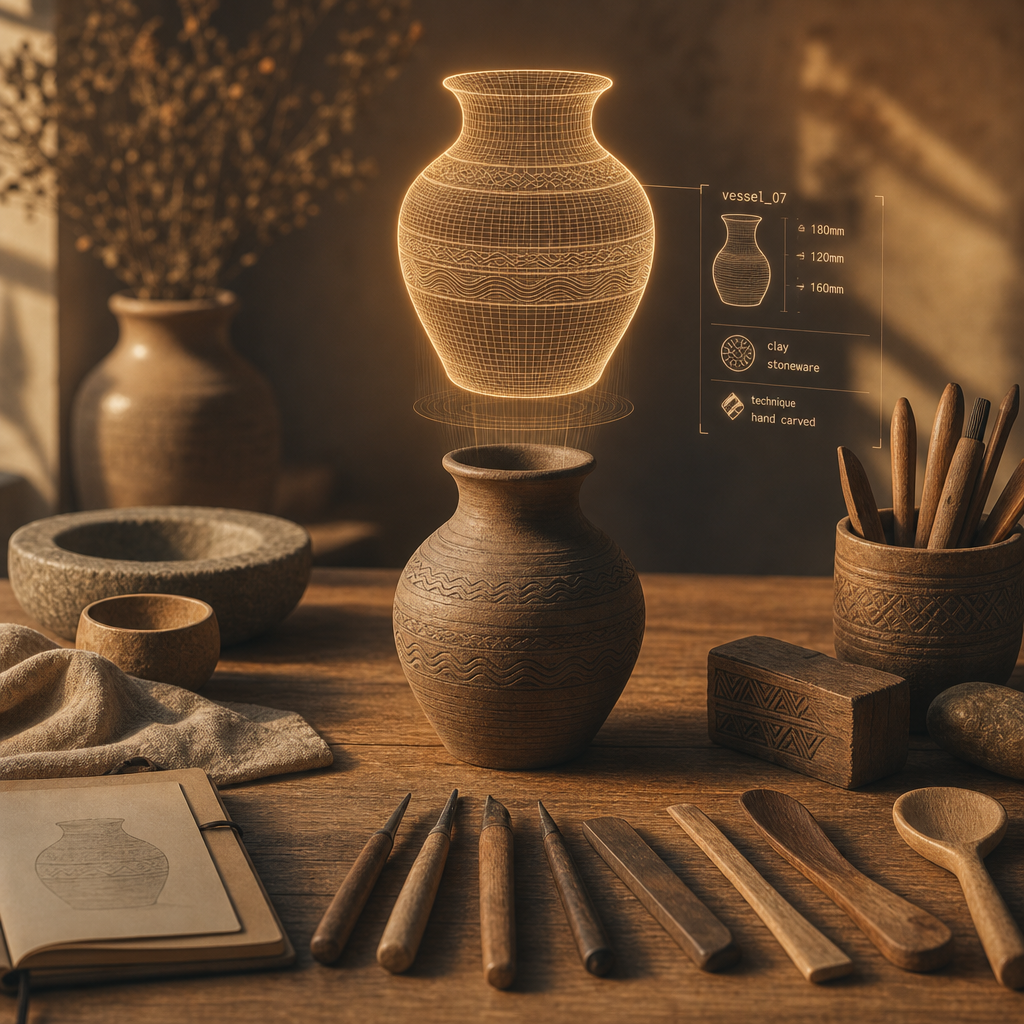
How AI 3D Websites Showcase Handmade Crafts on Digital Marketplaces
Handmade crafts often carry rich stories and intricate designs that deserve to be showcased in the most engaging way possible. AI-powered 3D websites are emerging as a transformative tool for craft sellers on digital marketplaces, offering immersive experiences that drive customer interest and sales.
Why AI 3D Websites Are Perfect for Handmade Crafts
Handmade crafts thrive on authenticity and visual appeal—two elements that AI 3D websites excel at presenting. Unlike traditional flat websites, they allow artisans to spotlight their creations in dynamic and interactive 3D environments, captivating customers in ways static images cannot.
!how ai 3d websites showcase handmade crafts on digital marketplaces, industry
- Enhanced product visualization: Buyers can explore products from every angle, which boosts confidence in purchasing handmade items online.
- Immersive storytelling: The website design can incorporate scroll-driven narratives about the craft’s origin, materials, and artisan.
- Higher engagement rates: Studies show that interactive content generates up to 2x more engagement compared to static content.
Key Benefits for Sellers on Digital Marketplaces
Selling handmade crafts online poses unique challenges: standing out in crowded marketplaces and conveying product quality authentically. AI 3D websites address these issues head-on.
Boosting Visibility and Engagement
- SEO-friendly designs: AI tools can optimize site architecture and content, making craft websites rank higher on search engines.
- Cinematic user experiences: Scroll-driven visuals hold attention longer, reducing bounce rates by up to 30%.
- Social media integration: Direct embedding of interactive 3D previews increases click-through rates from platforms like Instagram and Pinterest.
Building Trust Through Transparency
- Material authenticity: Highlight eco-friendly or rare materials used in crafts.
- Crafting process videos: Embed 3D-rendered timelines explaining how items are made.
- Customer reviews in context: Show testimonials alongside product visuals for credibility.
Real-World Examples of AI 3D Websites for Crafts
Case Study: A Handwoven Textile Seller
An independent textile artisan in Jaipur leveraged an AI 3D website to showcase handwoven scarves and sarees. Using interactive 3D models, buyers could zoom in on fabric patterns, rotate products, and learn about the dyeing process—leading to a 40% increase in online sales within three months.
Comparison with Traditional Websites
| Feature | Traditional Websites | AI 3D Websites |
|---|---|---|
| Product visualization | Static images | Interactive 3D models |
| Storytelling | Plain text | Scroll-driven visuals |
| Engagement rates | Lower (avg. 1.6 min) | Higher (avg. 3.2 min) |
How to Create an AI 3D Website for Crafts
Step-by-Step Guide
- Define your story: Focus on the unique aspects of your craft (e.g., cultural significance, handmade process).
- Choose AI tools: Platforms like Draftly simplify the creation of cinematic, scroll-driven websites.
- Optimize for mobile: Ensure seamless navigation and 3D visuals on smartphones, as 72% of marketplace traffic is mobile.
- Integrate analytics: Use AI-driven analytics tools to track engagement and improve user experience. Learn more from this guide.


