How Environmental Consultants Use AI 3D Websites to Showcase Impact Reports
Environmental consultants face a unique challenge: how to communicate complex data about sustainability, climate change, and environmental impact in a way that is engaging, transparent, and easy for stakeholders to grasp. Enter AI 3D websites—a cutting-edge solution that combines advanced design, interactive elements, and data visualization to solve this very problem.
Why Environmental Impact Reports Need a Digital Upgrade
Traditional PDFs and static reports often fail to effectively communicate environmental data. Long blocks of text and static visuals can make critical insights easy to overlook.
!how environmental consultants use ai 3d websites to showcase impact reports, industry
- A study by Nielsen Norman Group shows that users only read about 20-28% of the words on a webpage, making traditional PDF reports even less likely to be fully consumed.
- Stakeholders increasingly prefer interactive, visually-rich formats that allow them to explore data at their own pace.
- With stricter ESG (Environmental, Social, Governance) reporting requirements, firms need to ensure data transparency and accessibility, and static formats simply don’t cut it anymore.
How AI 3D Websites Enhance Impact Reporting
Dynamic Data Visualization
AI-powered 3D websites can transform raw data into visually intuitive, interactive formats:
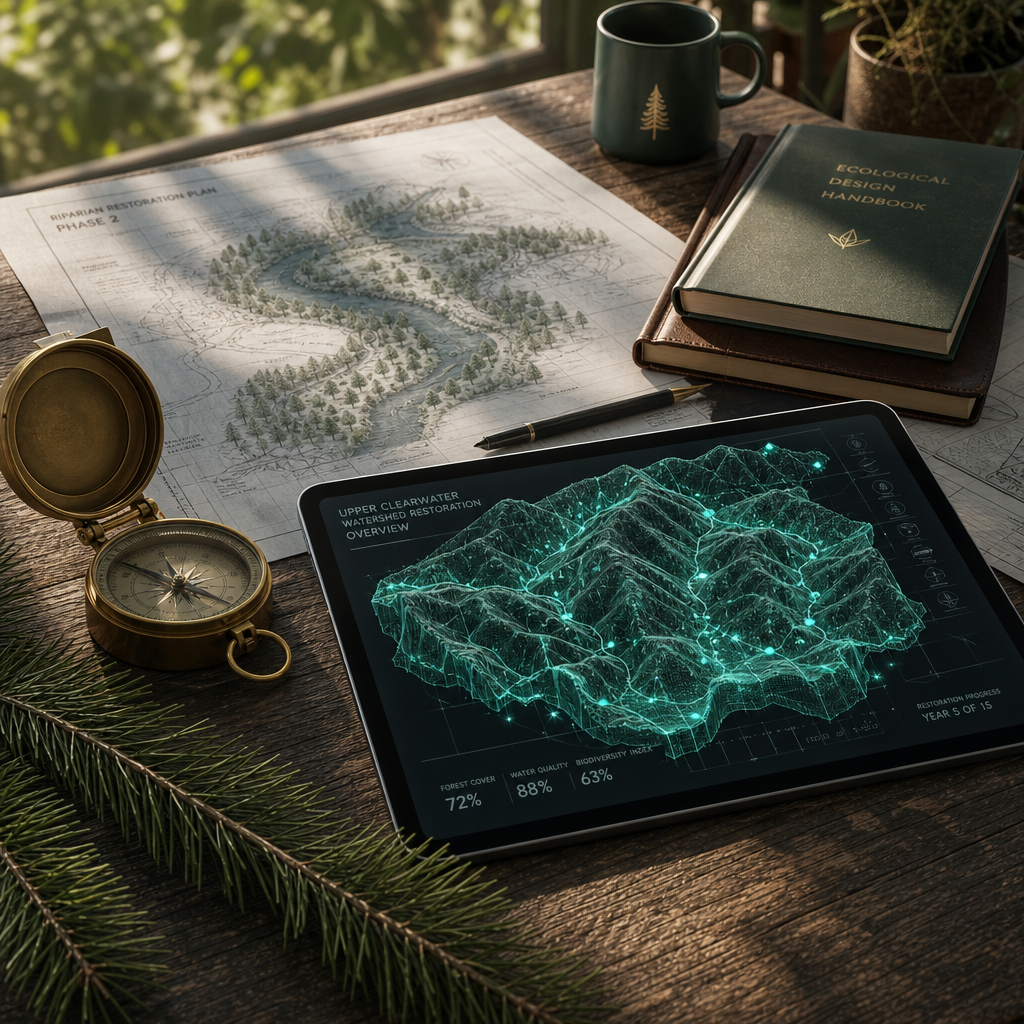
- Interactive Maps: For consultants conducting environmental assessments, 3D maps can showcase the geographical impact of projects, such as deforestation trends or water quality changes.
- Infographic Animations: Instead of static charts, consultants can present animated infographics that highlight trends over time, e.g., CO2 emission reductions.
- Scenario Simulations: AI tools allow for simulations of environmental projections, such as potential flooding areas under different climate change scenarios.
Enhanced Storytelling with Scroll-Driven Interactions
Environmental impact reports often tell a story—whether it’s about conservation efforts, a community project, or a sustainability initiative. AI 3D websites allow consultants to structure these stories in a scroll-driven format, creating a cinematic narrative that unfolds as users scroll.
- Stakeholders can watch before-and-after visual transformations, such as land restoration projects.
- Companies can integrate video testimonials from local communities, providing an authentic human element.
- Add clickable hotspots that provide deeper dives into data, photos, or text explanations without overwhelming the reader.
Saving Time and Resources with AI Automation
For environmental consultants, creating detailed reports is a time-consuming process. But with the help of AI 3D website builders like Draftly, much of the tedious work can be automated:
- AI simplifies the data-to-visualization process by converting spreadsheets into interactive charts or maps with minimal manual input.
- Templates and AI-driven design tools allow for creating consistent, professional layouts in minutes rather than days.
- AI can even help write narrative summaries for key findings, saving hours of work for consultants.
Case Study: Making an Impact with 3D AI Websites
Consider a sustainability consultancy working with a government on reducing urban air pollution. Using an AI 3D website, the consultancy can:
- Create a pollution timeline: An interactive slider shows air quality improvement over five years.
- Add real-time data feeds: Integrate APIs to display live air quality index (AQI) updates.
- Feature multimedia content: Embed drone footage of before-and-after visuals of pollution hotspots.
- Highlight community impact: Include testimonials from residents about improved health outcomes.
The Future of Environmental Reporting
As 3D AI websites revolutionize digital storytelling across industries, their role in environmental consultancy is becoming increasingly indispensable. Here’s what the future looks like:
- Real-time Impact Tracking: Websites will include live dashboards to monitor ongoing projects, giving stakeholders up-to-date insights.
- AI-Powered Predictions: Predictive analytics will allow consultants to showcase future environmental scenarios.
- Virtual Reality Integration: Imagine stakeholders virtually walking through a restored forest or exploring a clean riverbed.


