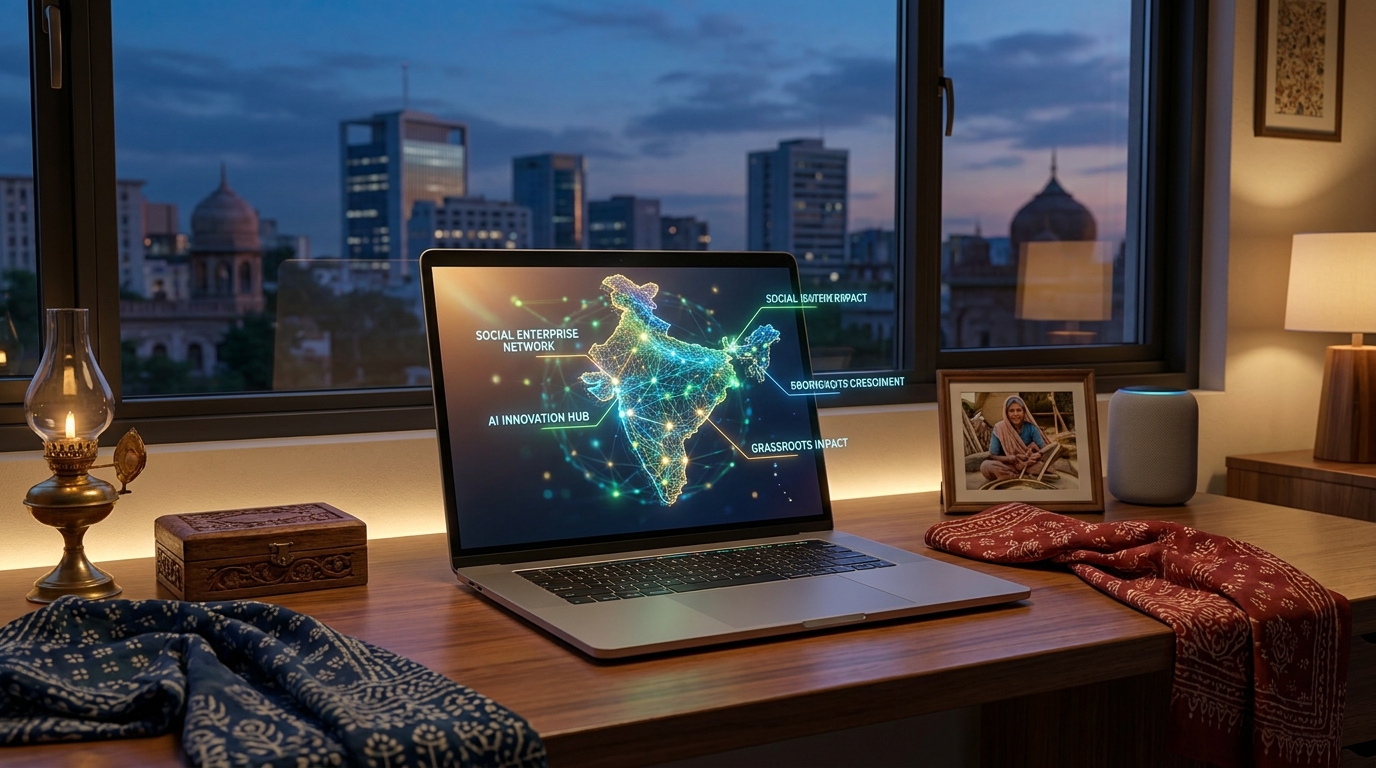
How AI 3D Websites Elevate Brand Storytelling for Indian Heritage Brands
Indian heritage brands are currently facing a digital pivot: the need to bridge the gap between ancient craftsmanship and the modern consumer's demand for high-fidelity interaction. By utilizing AI 3D websites, artisans and traditional labels can finally showcase the tactile depth of their work in a virtual space that feels as authentic as a physical showroom. When a brand moves from a flat, static layout to a scroll-driven, cinematic experience, user engagement typically increases by over 40% because the narrative unfolds as the user scrolls, rather than forcing them to click through disjointed pages.
Why Immersive Design Matters for Cultural Preservation
For businesses dealing in textiles, jewelry, or handcrafted artifacts, the challenge has always been conveying the 'soul' of the product online. A high-resolution photo is rarely enough to justify a luxury price point. By leveraging 3D AI website features, brands can now allow users to rotate, inspect, and explore the intricate details of a weave or a gemstone setting. This creates a psychological sense of ownership that static images fail to provide.

- Depth perception: 3D models allow customers to appreciate the craftsmanship from every angle.
- Narrative flow: Scroll-driven storytelling guides the user through the history of the artifact.
- Trust building: Transparency in the making process is easier to visualize through interactive elements.
Transforming the Digital Experience with AI
What is an AI 3D website? It is a modern web architecture where complex, multi-dimensional visual assets are generated or integrated through prompt-based AI, allowing for fluid transitions and interactive models that react to user scroll movements. For a brand rooted in Indian tradition, this means the website becomes a living museum. Unlike legacy platforms that require expensive external 3D developers, tools like Draftly allow heritage businesses to deploy these cinematic experiences in hours, not months.
The Impact on Consumer Retention
Data shows that Indian consumers in Tier 1 and Tier 2 cities are increasingly gravitating toward brands that offer a 'premium' digital interface. When a user interacts with a 3D model, the average time spent on a page rises significantly. This increased dwell time is a critical indicator for search engines; how Google actually ranks websites in 2026 is largely dependent on these engagement metrics. By providing a memorable experience, heritage brands don't just sell a product—they sell an immersive cultural connection.
Scaling Tradition for Global Markets
Many Indian artisans struggle to reach international buyers because their digital storefronts look outdated. By integrating multilingual support with a 3D interface, these brands can cater to the Indian diaspora and global luxury collectors simultaneously. The visual language of 3D is universal; it transcends the limitations of text and allows the product to speak for itself.
Building Your Heritage Brand Identity Online
Transitioning to a 3D-first approach does not require abandoning your brand's roots. In fact, it is about magnifying them. Whether you are building an engaging 3D AI website for Indian traditional dance schools or showcasing a line of hand-loomed sarees, the core remains the same: storytelling.
- Define your visual narrative: Start with the story of the artisan.
- Utilize 3D assets: Use high-quality textures that represent the real material.
- Implement smooth transitions: Ensure your site uses section animations to keep the user focused on the story.
- Optimize for performance: Ensure your site remains lightweight despite the 3D assets to keep load times under the 2-second threshold.