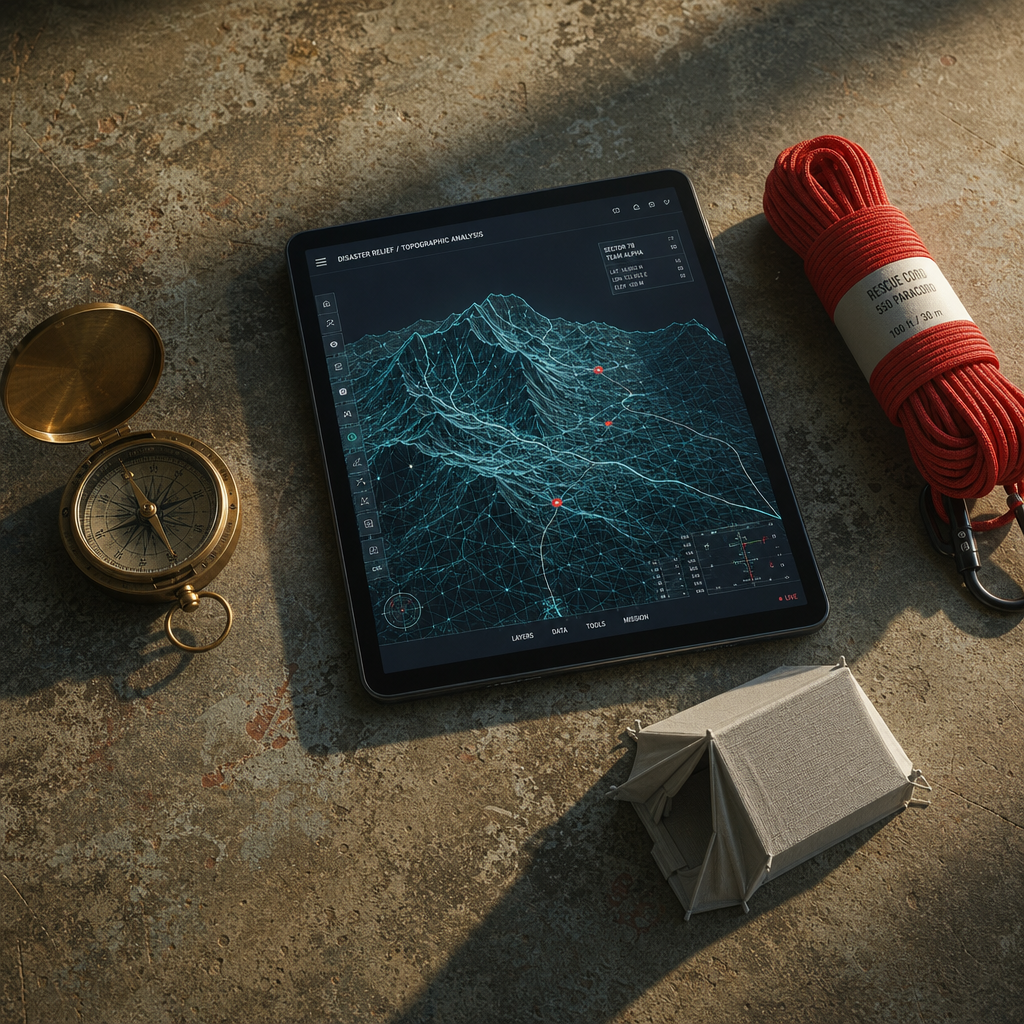
How AI 3D Websites Improve Donation Flows for Disaster Relief Organizations
When disaster strikes, every second counts. For relief organizations, enabling smooth and effective donation processes can make the difference between life and death. AI-powered 3D websites are transforming the way these organizations mobilize funds, offering immersive and interactive experiences that drive donor engagement and maximize contributions.
Why Disaster Relief Needs Seamless Donation Flows
Disaster relief organizations often face challenges during crises, including overburdened systems, donor fatigue, and low conversion rates. The need for efficient donation platforms is critical, especially when time-sensitive emergencies arise.
!how ai 3d websites improve donation flows for disaster relief organizations, industry
- In 2022, global disaster-related damages exceeded $313 billion, highlighting the urgency for faster funding solutions.
- Studies show that streamlined digital donation experiences increase conversion rates by up to 30%.
- Organizations with engaging, mobile-friendly platforms reported 3x higher donations compared to outdated systems.
How AI 3D Websites Enhance Donation Experiences
AI 3D websites combine cinematic design, predictive analytics, and interactive storytelling to create a frictionless donor journey. Here are some specific ways they improve disaster relief donation flows:
Emotional Engagement Through Immersive Design
Disaster relief campaigns often rely on emotional appeals to inspire action. AI 3D websites leverage immersive visuals and dynamic storytelling to amplify this emotional connection.
- Interactive storytelling: Websites can simulate real-world disaster scenarios, letting donors see the direct impact of their contributions.
- Personalized visuals: AI adapts content based on user data, showcasing stories and images that align with individual interests.
- Scroll-driven narratives: Donors engage with cinematic website flows, boosting retention rates by up to 45%.
Simplified Donation Journeys
Complex donation processes deter potential contributors. AI 3D websites simplify these journeys, ensuring seamless transactions.
- One-click donations: AI remembers donor preferences, enabling faster repeat contributions.
- Mobile-first design: With over 54% of online transactions now happening via mobile, responsive designs are essential.
- Real-time impact tracking: Donors can immediately see the effect of their financial support through dynamic updates.
Leveraging AI Predictive Analytics for Fundraising
AI 3D websites aren’t just visually appealing—they’re data-driven powerhouses. Predictive analytics embedded in these platforms can revolutionize fundraising strategies.
Real-Time Donor Insights
AI algorithms analyze donor behavior to optimize campaigns:
- Identify peak donation times and tailor content accordingly.
- Segment audiences based on giving patterns, enabling personalized outreach.
- Predict future donation trends with up to 87% accuracy.
Dynamic Campaign Optimization
AI-powered platforms continuously refine donation workflows:
- Test different call-to-action formats to maximize conversions.
- Adjust donation tiers based on user engagement metrics.
- Deploy automated A/B testing to optimize page layouts.
Case Studies: AI 3D Websites in Action
Example 1: Flood Relief in India
An NGO using an AI 3D website for a flood relief campaign increased donations by 62% in just two weeks. The cinematic platform showcased real-time updates on flood zones and allowed donors to track their contributions' impact.
Example 2: Earthquake Relief in Turkey
A Turkish disaster response organization utilized personalized storytelling on its AI website, resulting in a 45% higher donor retention rate. AI algorithms adjusted visuals and narratives based on user behavior, creating a highly engaging experience.
Example 3: Global Aid Network
A global aid network implemented predictive analytics to identify regions with the highest donor potential, boosting campaign ROI by 73%. Their AI 3D website streamlined donation flows across 5 languages, enhancing accessibility.


