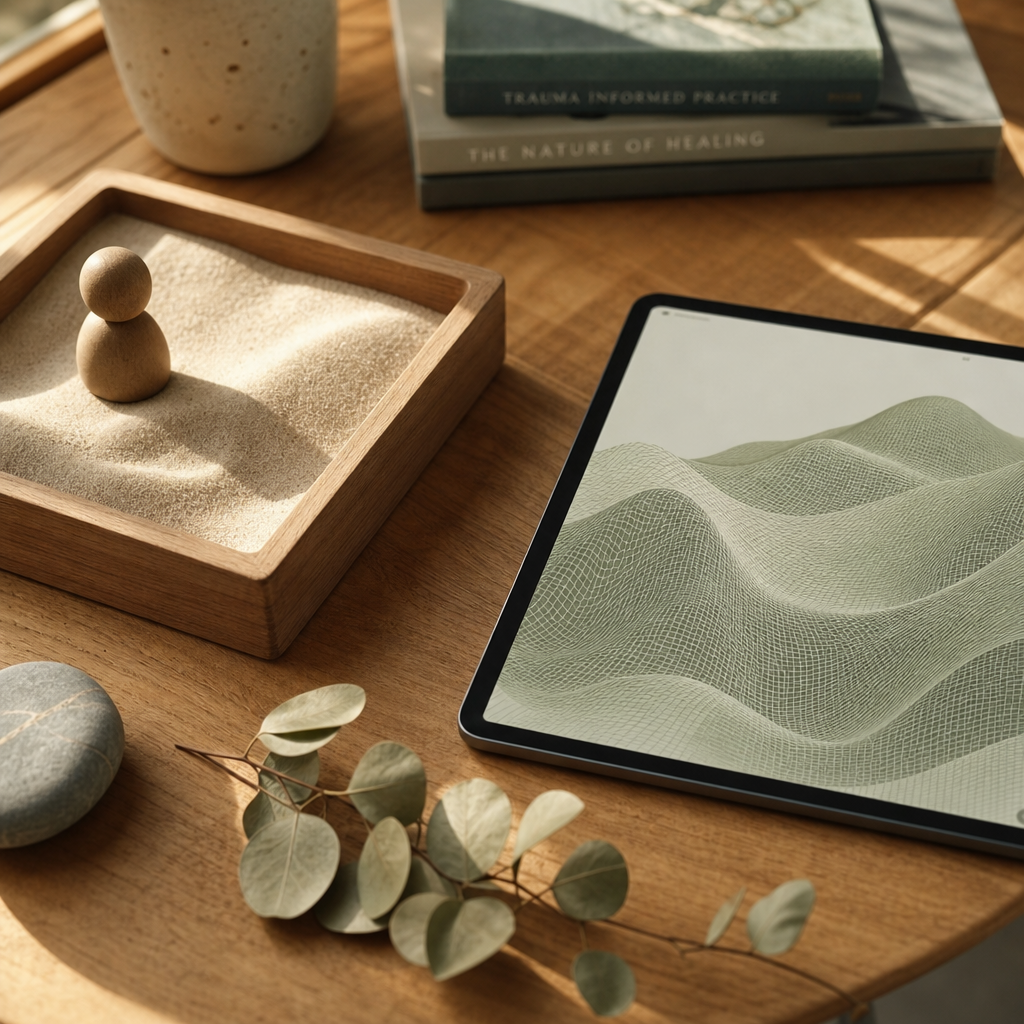
How AI-Powered 3D Websites Help Therapists Create Calming Digital Experiences
Therapists know the importance of creating a calming environment for their clients, but what about their digital presence? With over 77% of people preferring to research services online before booking, having a digital space that conveys trust and tranquility is no longer optional; it’s essential. AI-powered 3D websites offer therapists a unique opportunity to replicate the calming atmosphere of their physical spaces in the online world.
Why Calming Digital Experiences Matter for Therapists
A therapist's website is often the first interaction a potential client has with their practice. A poorly designed, cluttered, or uninspired site can create anxiety instead of alleviating it. On the flip side, a well-crafted digital experience can set the tone for a positive therapeutic relationship.
!how aipowered 3d websites help therapists create calming digital experiences, industry
- First impressions matter: Research shows that website visitors form an opinion about a website in just 50 milliseconds.
- Trust and empathy: A soothing digital environment can foster a sense of safety, which is critical for individuals seeking therapy.
- Client retention: Websites that are easy to navigate and visually appealing see 88% higher retention rates compared to their less user-friendly counterparts.
How AI-Powered 3D Websites Elevate the Experience
AI-powered 3D websites combine artificial intelligence with immersive design to create visually captivating and emotionally engaging online experiences. Here’s how this technology benefits therapists specifically:
1. Customizable Aesthetic for Maximum Calm
Therapists often rely on physical elements like soft lighting, neutral colors, and serene artwork to create a calming space. AI-powered 3D websites bring this sensibility online by allowing for easy customization.
- Use AI to generate color palettes proven to reduce anxiety, such as soft blues and greens.
- Add gentle animations, like flowing water or waving grass, to mimic nature’s calming effects.
- Incorporate therapist-specific branding seamlessly into the site’s design, enhancing both trust and professionalism.
2. Interactive Features Foster Engagement
Engagement is crucial for building relationships, even in a digital setting. AI-powered 3D websites go beyond static pages by offering interactive features that make users feel seen and heard.
- Guided breathing exercises: Embed interactive, animated exercises that walk users through calming techniques.
- Virtual consultations: AI chatbots can simulate intake sessions or answer FAQs about therapy services, much like those used effectively in Indian startups.
- Personalized navigation: Leverage AI to recommend blog posts, resources, or services based on user behavior on the site.
3. Accessibility for All Clients
Therapists often work with diverse populations, including individuals with disabilities. AI-powered 3D websites can ensure inclusivity through features like:
- Text-to-speech options for visually impaired users.
- Language translation tools powered by AI, expanding reach to non-native speakers.
- Responsive design that adapts seamlessly to any device, ensuring mobile users have the same calming experience as desktop users.
4. Data-Driven Insights for Continuous Improvement
Understanding what works on your website is key to making it even better. AI-powered 3D websites come with advanced analytics tools that provide actionable insights.
- Monitor visitor behavior, such as time spent on specific pages or clicks on key elements.
- Identify drop-off points to make improvements where users lose interest.
- Use data to personalize the experience further, much like how non-profit organizations optimize their digital outreach.
Real-World Success: Therapists Using 3D Websites
Therapists who’ve embraced AI-powered 3D website technology are already reaping the rewards. For instance:
- A mindfulness coach used AI to design a site with background animations of flowing rivers and soft ambient sounds. This increased session bookings by 35% within three months.
- A couples therapist incorporated AI-driven interactive quizzes to help potential clients identify their relationship challenges. Engagement rates soared by 50%, with users spending more time exploring services.
- An art therapist created a virtual gallery of client success stories, enhancing trust and transparency. This approach mirrors the benefits seen by freelance Indian fashion designers who use 3D AI portfolios to showcase their work.
How to Get Started with AI-Powered 3D Websites
Launching a calming, AI-powered 3D website doesn’t have to be complicated. Here’s a simple roadmap:
- Choose the right platform: Pick a solution like Draftly that specializes in transforming prompts into cinematic, scroll-driven experiences.
- Define your aesthetic: Use AI tools to generate a mood board inspired by your therapy niche.
- Leverage data: Start with built-in analytics to track engagement and continuously improve.
Tips for Optimization
- Use micro-interactions like hover effects to make navigation intuitive.
- Regularly update content, such as blogs or guided sessions, to keep the experience fresh.
- Ensure your website is mobile-first, as 70% of users access websites via smartphones.


