Why 3D AI Websites Are Perfect for Displaying Eco-Friendly Furniture Designs
When it comes to showcasing eco-friendly furniture designs, traditional websites fall short of capturing the craftsmanship, materials, and sustainability story behind each piece. Enter 3D AI websites — interactive, cinematic platforms that bring your sustainable furniture to life. Leveraging cutting-edge technology, these sites not only highlight design but make eco-conscious values tangible.
The Power of Immersive Storytelling for Sustainable Brands
Sustainability isn't just a feature — it's a story that needs to be told. A 3D AI website excels at storytelling by creating a fully immersive digital experience.
!why 3d ai websites are perfect for displaying ecofriendly furniture designs, industry
- Dynamic visuals: 3D AI websites let users rotate, zoom, and interact with your furniture in real-time, offering a tactile experience online.
- Interactive narratives: Brands can weave stories about material sourcing, carbon footprint reduction, and craftsmanship into the browsing experience.
- Higher engagement: According to a 2022 study, interactive web content generates 2x more engagement than static pages, making it ideal for eco-friendly brands looking to stand out.
Showcasing Materials Like Never Before
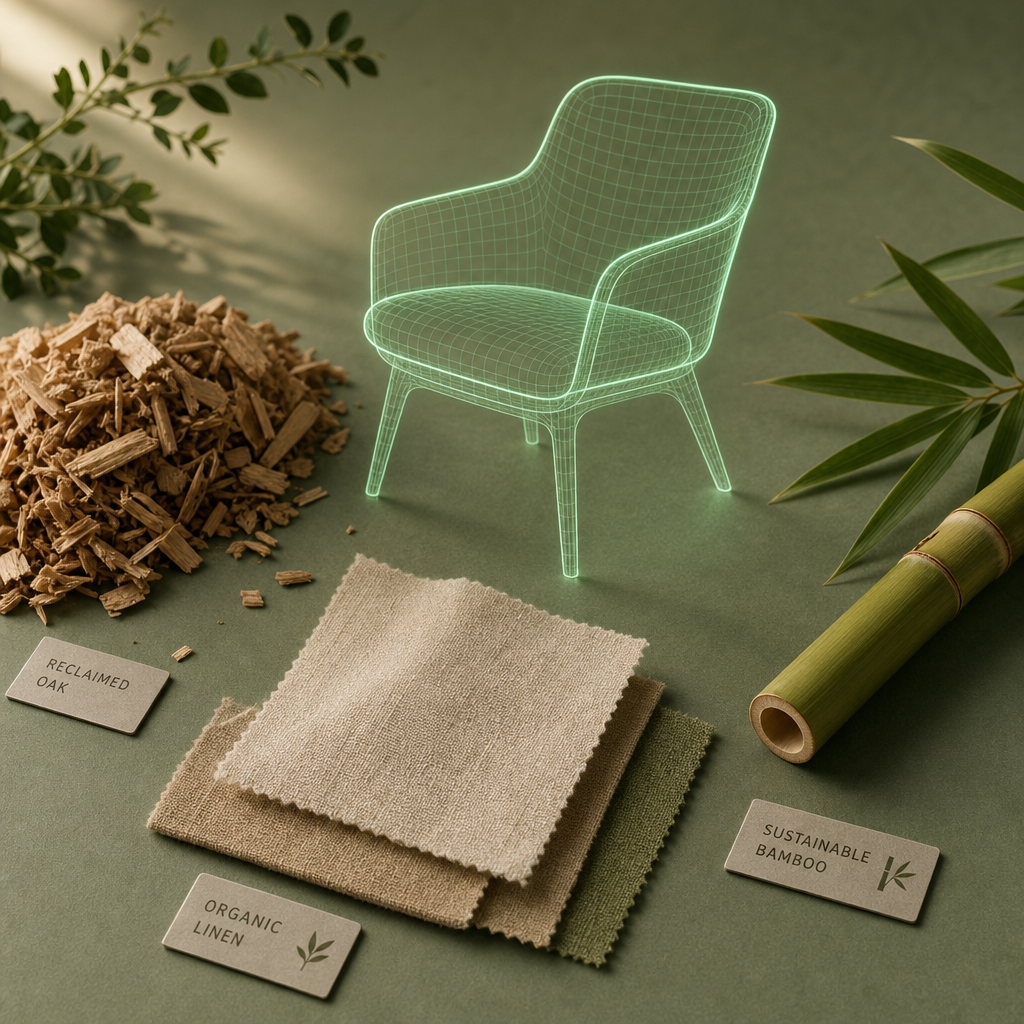
Eco-friendly furniture brands often utilize unique materials like bamboo, reclaimed wood, or recycled plastics. A traditional website can display images, but 3D AI websites go further.
Bring Every Detail to Life
With 3D rendering, customers can:
- Zoom in on textures to see the intricate details of reclaimed wood grains or natural fibers.
- Simulate lighting conditions to observe how designs look in different environments.
- Visualize furniture in their home through AR integrations — a feature increasingly in demand as 61% of consumers prefer AR when shopping for home goods, according to Shopify.
Transparency Builds Trust
Sustainability-conscious shoppers want to know the story behind the products they buy. A 3D AI website allows you to highlight:
- Production processes with cinematic, scroll-driven timelines that show how raw materials become finished products.
- Certificates for eco-standards directly integrated into the user interface.
- Comparisons of your carbon footprint versus conventional furniture brands.
Sustainability Meets Tech: The Green Advantage
Ironically, many traditional web platforms aren't sustainable themselves. Data centers, which power most online experiences, contribute around 2% of global carbon emissions — on par with the airline industry.
Here's how 3D AI websites align better with eco-friendly values:
- Efficient infrastructure: Many 3D AI platforms like Draftly optimize hosting to minimize energy use.
- Dynamic content delivery: AI reduces the need for heavy, preloaded assets by generating visuals on-demand.
- Longevity: Modular AI-built websites can adapt and evolve without major overhauls, reducing digital waste.
Personalized Shopping for Conscious Consumers
Modern eco-conscious consumers crave personalization. They want to know exactly how a product aligns with their values and lifestyle. 3D AI websites excel at delivering tailored experiences.
- AI-driven recommendations: Suggest furniture pieces based on a user’s preferences, room dimensions, and sustainability goals.
- Customizable visuals: Let buyers experiment with different finishes or configurations in real time.
- Eco-impact calculators: Integrate tools that show the environmental benefits of choosing your product over less sustainable options.
Case Study: Eco-Impact in Action
Consider a hypothetical brand, GreenHaven Furniture. By using a 3D AI website, they highlight the lifecycle of their products — from sourcing FSC-certified wood to their zero-waste manufacturing process. In addition, GreenHaven offers an interactive tool where users can compare the carbon footprint of their furniture to conventional alternatives. The result? A 25% boost in sales within the first three months of launching their 3D AI site.
Why Now Is the Time for 3D AI Websites
The furniture market is rapidly evolving as more consumers prioritize sustainable choices. In 2023, the global eco-friendly furniture market was valued at $35 billion, projected to grow at a CAGR of 8.6% through 2030. With this trajectory, standing out is no longer optional — it's essential.
Competitive Advantages of 3D AI Websites
- Faster load times: Thanks to AI-optimized workflows, your website won't drag under high traffic.
- Cost-effective updates: No need to hire a full development team for every new collection.
- Future-proof design: As technology evolves, 3D AI websites can adapt without losing their cutting-edge appeal.


