India's digital revolution is undeniable, but the true growth frontier lies beyond English. A staggering 500 million internet users in India prefer consuming content in their local languages, and this number is expanding rapidly, particularly in Tier-2 and Tier-3 cities. Businesses that fail to acknowledge this linguistic preference risk missing out on a colossal market opportunity. Building vernacular websites for India isn't just a trend; it's a strategic imperative for reaching the next wave of digital consumers.
The Vernacular Opportunity: Why India's Internet is Going Local
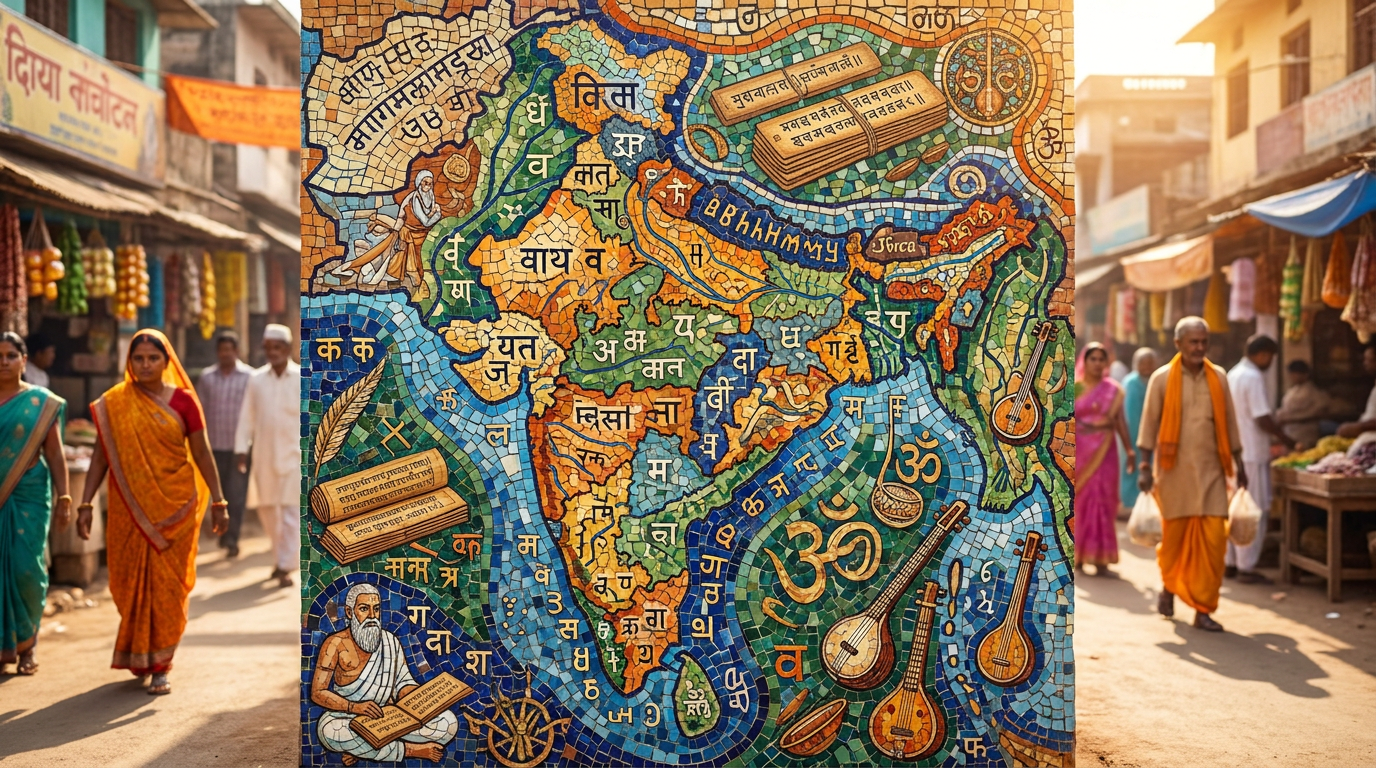
The narrative of 'Digital India' often focuses on smartphone penetration and data consumption, but the underlying story is one of language. While English remains prevalent in urban metros, the vast majority of new internet users, especially from rural and semi-urban areas, are accessing the internet in Hindi, Marathi, Bengali, Tamil, Telugu, Kannada, Gujarati, and other regional languages. This shift is profound.
!building vernacular websites for india the 500m user opportunity, india
The Digital Bharat Phenomenon
Recent reports indicate that India has over 800 million internet users, with approximately 65-70% preferring content in their native tongues. This preference isn't merely about convenience; it's about comfort, trust, and cultural relevance. Users are more likely to engage with, understand, and ultimately transact on a website that speaks their language. Data suggests that vernacular content can see engagement rates 2-3 times higher than English content in these regions. The growth of internet users in non-metro areas is projected to outpace urban growth by nearly 1.5x in the coming years, making the vernacular space an undeniable powerhouse.
This phenomenon is driving businesses to rethink their digital strategies. If your business is only online in English, you're effectively invisible to half a billion potential customers. For a deeper dive into this shift, explore Vernacular Language Websites: Why India's Internet is Going Local.
Bridging the Language Barrier for Business Growth
Beyond sheer numbers, vernacular websites directly impact conversion rates and brand loyalty. When a customer encounters a website in their mother tongue, it builds an immediate sense of familiarity and trust. This is particularly crucial for e-commerce, local services, and educational platforms where clear communication is paramount. Businesses offering local services, for instance, can see a significant uplift in inquiries and bookings by providing information in regional languages. It's about respecting the user's identity and making the digital experience feel personal.
Key Elements of an Effective Vernacular Website
Building a successful vernacular website goes beyond simple translation. It requires a holistic approach that considers language, culture, and user experience.
- Content in Local Languages: This is the foundation. Every piece of content, from product descriptions to blog posts and FAQs, must be available and accurate in the target language. This isn't just about direct translation; it's about 'transcreation' – adapting content to be culturally appropriate and resonant. For businesses targeting multiple regions, a Multilingual Website SEO: How Indian Businesses Rank in English and Hindi strategy is crucial.
- Localized UX/UI Design: Visuals, imagery, and design elements should reflect local aesthetics and cultural nuances. A website designed for a user in Mumbai might differ subtly from one targeting a user in rural Rajasthan. Consider color palettes, iconography, and even the layout to align with local preferences. Ensuring your website is also mobile-first is non-negotiable, as over 80% of Indian internet users access the web via smartphones. Refer to Mobile-First Web Design in 2026: Why 80% of Your Indian Visitors Are on Their Phone for best practices.
- Vernacular SEO Strategies: To be discovered, your website needs to rank in local language searches. This involves keyword research in regional languages, optimizing meta descriptions and titles, and ensuring your site structure supports multilingual indexing. Google's algorithms are increasingly sophisticated at understanding local language queries, making vernacular SEO a high-impact strategy.
- Local Payment & Support Integration: Integrate popular local payment gateways like UPI, which accounts for over 75% of digital retail payments in India. Offering customer support in local languages, whether through chat, WhatsApp, or phone, further enhances trust and user satisfaction.
Overcoming Challenges in Vernacular Web Development
While the opportunity is immense, traditional vernacular website development often comes with its share of complexities.
Translation vs. Transcreation
Simply running English content through a translation tool often leads to awkward phrasing, loss of cultural context, and can even be offensive. True vernacular success demands transcreation, where content is reimagined and localized to resonate deeply with the target audience. This requires native speakers and cultural experts, which can be resource-intensive.
Technical Hurdles and Font Support
Implementing multiple scripts and ensuring consistent font rendering across different devices and browsers can be a technical headache. Developers often grapple with character encoding, font loading, and maintaining responsive design across diverse linguistic interfaces. Building a How to Build a Bilingual Hindi-English Website with AI Tools site seamlessly requires robust technical infrastructure.
Scalability for Multiple Languages
Managing content for 5, 10, or even 20 different languages can quickly become unmanageable with traditional website builders. Updating content, pushing new features, and maintaining consistency across all versions is a significant operational challenge for businesses and agencies alike.
Building Vernacular Websites with Draftly
Draftly is designed to simplify the complex landscape of multilingual web development, especially for the Indian market. Our AI-powered 3D website builder streamlines the creation of cinematic, scroll-driven websites in multiple languages, making the 500 million user opportunity accessible.
AI-Powered Multilingual Generation
With Draftly, you can generate an entire website from a single prompt, and crucially, specify the primary language. Our AI understands and generates high-quality copy in numerous Indian languages. This means you can get a fully functional, content-rich website in Hindi, Tamil, or Bengali in minutes, not weeks. You can then use Draftly AI Copy: Generate Headlines, About Sections, and More to fine-tune your messaging for each regional audience.
Seamless Localisation Features
Draftly's intuitive editing interface allows for easy content adjustments and visual localization. You can effortlessly switch between language versions, manage translated content, and ensure that imagery and design elements are culturally appropriate for each target audience. The platform allows you to How to Customise Your AI-Generated 3D Website — Full Guide to match local aesthetics and brand identity, without needing a team of developers.
Speed and Performance for All Users
Given that a significant portion of India's internet users might be on slower connections or older devices, website speed is paramount. Draftly's architecture prioritizes performance, ensuring your visually rich 3D vernacular websites load quickly and smoothly, providing an optimal experience regardless of the user's network conditions. This is critical for retaining engagement and reducing bounce rates in a mobile-first nation.
Embracing vernacular websites is no longer an option but a necessity for any business serious about growth in India. The next 500 million users are waiting to connect with brands that speak their language, understand their culture, and provide an engaging digital experience. Draftly empowers you to build these connections with unprecedented speed and ease.
Ready to tap into India's vibrant vernacular market? Start building your AI-powered 3D website today.